accident
Word family
Longman Dictionary of Contemporary English 5++LDOCE 5++ac·ci·dent /ˈæksɪdənt/ ●●● S2 W2 noun  1 by accident CHANCE/BY CHANCEin a way that is not planned or intended 偶然,意外地 OPP on purpose, deliberately I met her quite by accident (=completely by accident). 我遇见她完全是偶然。 The discovery was made almost by accident. 这项发现几乎纯属意外。 The pilot, whether by accident or design (=whether it was planned or not planned), made the plane do a sharp turn. 不知是有意还是无意,那名飞行员让飞机来了个急转弯。n Grammar ✗ Don’t say: by an accident2 ACCIDENT[countable] an event in which a car, train, plane etc is damaged and often someone is hurt 交通事故;车祸;失事 Over 70,000 people are seriously injured every year in road accidents. 每年在道路事故中受重伤的有七万多人。 The accident happened at the junction of Forest Road and Pine Walk. 事故发生在森林路与松树路的交叉口。 a train accident 火车事故3 ACCIDENT[countable] a situation in which someone is injured or something is damaged without anyone intending them to be 事故,意外事件 Ken had an accident at work and had to go to hospital. 肯在工作中出了事故,不得不去医院。 I’m sorry about breaking the vase – it was an accident (=I did not intend to do it). 对不起,我把花瓶打碎了——这是个意外。a climbing/skiing/hunting etc accident He died in a climbing accident in the Himalayas. 他在攀登喜马拉雅山时遇难。 She was injured in a freak accident (=an unusual accident) when a wall suddenly collapsed. 她在一场墙壁突然倒塌的诡异事故中受了伤。 I had a slight accident with your coffee. 出了个小小的意外,我把你的咖啡弄洒了。 They lost their lives in a tragic accident. 他们在一次悲惨的事故中丧生。4 CHANCE/BY CHANCE[countable, uncountable] something that happens without anyone planning or intending it 意外事件 My third baby was an accident. 我的第三个孩子是意外怀上的。 It is no accident that men fill most of the top jobs in nursing, while women remain on the lower grades. 男性在护理行业中占据大多数重要职位,而女性仍处于较低级别,这绝非偶然。an accident of birth/geography/history etc (=an event or situation caused by chance) 出生/地理/历史等的偶然5. accidents (will) happen spoken used to tell someone who has broken something that they should not worry that it has happened 意外事情在所难免,不小心总是有的6 an accident waiting to happen used about a situation in which an accident is likely to happen because no one is trying to prevent it 肯定会出的事故 The boats are being left to drift; it’s an accident waiting to happen. 任由这些船漂流,肯定会出事的。 COLLOCATIONS – Meaning 2: an event in which a car, train, plane etc is damaged and often someone is hurt 交通事故;车祸;失事adjectivesa bad/serious accident 严重事故There’s been a bad accident on the freeway. 高速公路上发生了一宗严重事故。nThe road is closed following a serious accident.a major accident 重大事故News is coming in of a major rail accident. 刚收到的消息说发生了一宗重大铁路事故。a horrible/nasty/horrific accident 可怕的/严重的/骇人听闻的事故We narrowly avoided a nasty accident. 我们险些遭遇严重事故。n‘This was an absolutely horrific accident, ’ said an ambulance spokesman.a fatal accident (=in which someone is killed) 致命的事故a fatal accident involving a bus and a cyclist 涉及一辆公共汽车和一名骑车人的致命交通事故a minor accident (=one that is not serious) 轻微事故nThe ice and poor visibility caused minor accidents all over the country.a road/traffic accident 道路/交通事故nThe number of traffic accidents has gone down.nPortugal has one of Western Europe’s worst road accident rates.a car accident (also an automobile accident American English formal) 撞车事故,车祸nHe was badly injured in a car accident.a plane accident/an airplane accident American English (also a flying accident) 坠机事故nHolly died in a plane accident.a rail accident/a train accident 铁路事故/火车事故nIt was the country's worst ever rail accident.a hit-and-run accident (=when someone is hit by a driver who does not stop) 撞车逃逸事故nA woman is fighting for her life after a hit-and-run accident.verbsbe involved in an accident formal: 卷入事故Your son has been involved in a car accident. 你儿子遭遇了车祸。prevent an accident 预防事故Steps have been taken to prevent a similar accident happening again. 已采取措施,预防类似事故再次发生。an accident happens (also an accident occurs formal) 事故发生nNo one saw the accident happen.nMost road accidents occur in urban areas.have an accident 出事故nYoung drivers are more likely to have accidents than older drivers.5I had an accident on my way to work.我上班途中出了事故。accident + NOUNan accident victim 事故受害者One of the accident victims is still trapped in his vehicle. 其中一名事故受害者仍然被困在车里。accident rates/statistics 事故发生率/统计数字nThere is a relation between accident rates and the numbers of drivers on the road.na survey of the latest airline accident statisticsan accident investigation/inquiry 事故调查nThe two deaths are the subject of an accident inquiry.nAccident investigations often take months.an accident investigator 事故调查人员nAccident investigators have been there all morning.phrasesthe scene of an accident (=the place where it happened) 事故现场Police were at the scene of the accident within minutes. 警察几分钟之内就赶到了事故现场。COMMON ERRORS ► Don’t say ‘a small accident’. Say a minor accident. 不要说 a small accident. 而要说 a minor accident . THESAURUSaccident an event in which a vehicle is damaged and often someone is hurt 交通事故Her father died in a car accident. 他父亲死于车祸。Hugh had an accident on his way to work. 休上班途中出了交通事故。crash a serious accident in which a vehicle hits something else 撞车事故;相撞Rees-Jones was the only person to survive the crash. 里斯―琼斯是这起撞车事故唯一的幸存者。a car/plane/train crash 撞车事故/飞机失事/火车撞车事故nHe was killed in a plane crash.collision an accident in which two or more cars, trains etc hit each other 相撞事故His car was involved in a collision with a train. 他的车与一辆火车相撞。 | a head-on collision (=between vehicles that are driving towards each other) 〔车辆的〕迎面相撞nThe actor was killed in a head-on collision while driving his new sports car.disaster a serious accident involving a train, plane, or boat, in which a lot of people are killed or injured 灾难,灾祸It was Britain’s worst air disaster. 这是英国最严重的空难。wreck American English an accident in which a car or train is badly damaged 〔汽车或火车遭严重损毁的〕交通事故Ben nearly died in a car wreck. 本险些死于车祸。pileup an accident that involves several cars or trucks 多车相撞,连环撞车The pileup happened in thick fog. 这起连环撞车事故发生于大雾天。nThere was a 12-car pileup on the motorway.nfender-bender American English informal, prang British English informal a car accident in which little damage is doneAtkinson was involved in a fender-bender in the hotel parking lot.At 15, he borrowed his parents’ car and had a prang.
Examples from the Corpus
accident• A 47-year-old man died after an accident involving a 17-ton loading shovel at the Redland Aggregates site at Barham.• Brussels airport was closed today after an accident on the runway.• Robert had an accident in the lab. He was opening a bottle of acid and he spilt some on his hands.• I'm really sorry about breaking your camera - it was an accident.• The data for risk ratings and accident estimates were considered separately and are plotted in Figures 4.1 and 4.2 respectively.• She was in an automobile accident, but she's not seriously hurt.• Improvements in technology do not come by accident.• Sometimes when he was playing in the house, he would bump into his father by accident.• Both her parents had been killed in a car accident.• Homicide is 28 times greater and car accidents are 45 ti mes greater.• My parents had died when I was five, in a freak car accident.• Voters rejected measures to ban most lawsuits resulting from car accidents, limit shareholder lawsuits and slash lawyers' contingency fees.• Men have twice as many fatal accidents as women do for every mile they drive.• The number of fatal accidents in the construction industry has dropped dramatically in recent years.• I only met her again through a fortunate accident.• Teenage boys tend to drive wildly and often have accidents.• She has been in almost constant pain since her accident.• As usual, the fog and icy roads had led to several very nasty accidents.• It is no accident that most of the country's outstanding public schools are in wealthy communities.• Most serious accidents in the home involve electrical equipment or hot liquids.• His best friend was killed in a skiing accident.• The accident happened on Interstate 84, during the evening rush hour.had ... accident• It had been sent by her aunt's neighbour who reported that Bertha had had an accident.• He says ... he says one of the cars has had an accident in the rain.• Anyway, Herb had an accident and broke his leg.• When I was seven I had an accident.• Ken had an accident at work and had to go to the hospital.• Then as soon as the last act goes up Bobby will ring for a doctor and say that Bunty's had an accident.• I know from experience because of the jumping, she's had accidents before.• If she had an accident, she'd go mad, yet she didn't seem to want to try.• There would be no Felipe to spring to her aid when she had an accident or a toothache.an accident of birth/geography/history etc• But even Labour v Tories is better than a party-political system which depends on religion, and an accident of birth.• A sad, tragic man trapped by an accident of birth.• But some goods stations were by an accident of history very grand.• William is your father in everything, except an accident of birth.• Clearly it was just an accident of history, a fluke, a momentary incursion of an otherwise universal pandemic.• Though immensely talented and charismatic, his success may be as much an accident of history as anything.Origin accident (1300-1400) French Latin accidens “additional quality, chance”, from accidere “to happen”, from ad- “to” + cadere “to fall”ac·ci·dent noun →n GRAMMAR1 →COLLOCATIONS1
→THESAURUS1LDOCE OnlineChineseSyllable
→THESAURUS1LDOCE OnlineChineseSyllable
way intended is not planned in that a or Corpus
accident
ac‧ci‧dent S2 W2 /ˈæksədənt, ˈæksɪdənt/
 noun
noun
OPP on purpose, deliberately:

I met her quite by accident (=completely by accident).
The discovery was made almost by accident.
The pilot, whether by accident or design (=whether it was planned or not planned), made the plane do a sharp turn.
2. [countable] an event in which a car, train, plane etc is damaged and often someone is hurt:
Over 70,000 people are seriously injured every year in road accidents.
The accident happened at the junction of Forest Road and Pine Walk.
a train accident
3.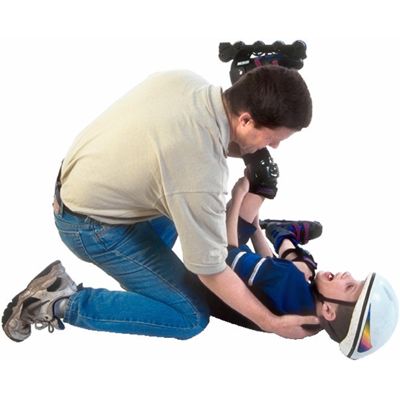
[countable] a situation in which someone is injured or something is damaged without anyone intending them to be:
Ken had an accident at work and had to go to hospital.
I’m sorry about breaking the vase – it was an accident (=I did not intend to do it).
a climbing/skiing/hunting etc accident
He died in a climbing accident in the Himalayas.
She was injured in a freak accident (=an unusual accident) when a wall suddenly collapsed.
I had a slight accident with your coffee.
They lost their lives in a tragic accident.
4. [uncountable and countable] something that happens without anyone planning or intending it:
My third baby was an accident.
It is no accident that men fill most of the top jobs in nursing, while women remain on the lower grades.
an accident of birth/geography/history etc (=an event or situation caused by chance)
5. accidents (will) happen spoken used to tell someone who has broken something that they should not worry that it has happened
6. an accident waiting to happen used about a situation in which an accident is likely to happen because no one is trying to prevent it:
The boats are being left to drift; it’s an accident waiting to happen.
■ adjectives
▪a bad/serious accident There’s been a bad accident on the freeway. | The road is closed following a serious accident.
▪a major accident News is coming in of a major rail accident.
▪a horrible/nasty/horrific accident We narrowly avoided a nasty accident. | ‘This was an absolutely horrific accident,’ said an ambulance spokesman.
▪a fatal accident (=in which someone is killed) a fatal accident involving a bus and a cyclist
▪a minor accident (=one that is not serious) The ice and poor visibility caused minor accidents all over the country.
▪a road/traffic accident The number of traffic accidents has gone down. | Portugal has one of Western Europe’s worst road accident rates.
▪a car accident (also an automobile accident American English formal) He was badly injured in a car accident.
▪a plane accident/an airplane accident (also a flying accident ) Holly died in a plane accident.
▪a rail accident/a train accident It was the country's worst ever rail accident.
▪a hit-and-run accident (=when someone is hit by a driver who does not stop) A woman is fighting for her life after a hit-and-run accident.
■ verbs
▪have an accident I had an accident on my way to work.
▪be involved in an accident formal Your son has been involved in a car accident.
▪prevent an accident Steps have been taken to prevent a similar accident happening again.
▪an accident happens (also an accident occurs formal) No one saw the accident happen. | Most road accidents occur in urban areas.
■ accident + NOUN
▪an accident victim One of the accident victims is still trapped in his vehicle.
▪accident rates/statistics There is a relation between accident rates and the numbers of drivers on the road. | a survey of the latest airline accident statistics
▪an accident investigation/inquiry The two deaths are the subject of an accident inquiry. | Accident investigations often take months.
▪an accident investigator Accident investigators have been there all morning.
■ phrases
▪the scene of an accident (=the place where it happened) Police were at the scene of the accident within minutes.
■ COMMON ERRORS
► Do not say 'a small accident'. Say a minor accident.
▪ accident an event in which a vehicle is damaged and often someone is hurt: Her father died in a car accident. | Hugh had an accident on his way to work.
▪crash a serious accident in which a vehicle hits something else: Rees-Jones was the only person to survive the crash. | a car/plane/train crash | He was killed in a plane crash.
▪collision an accident in which two or more cars, trains etc hit each other: His car was involved in a collision with a train. | a head-on collision (=between vehicles that are driving towards each other): The actor was killed in a head-on collision while driving his new sports car.
▪disaster a serious accident involving a train, plane, or boat, in which a lot of people are killed or injured: It was Britain’s worst air disaster.
▪wreck American English an accident in which a car or train is badly damaged: Ben nearly died in a car wreck.
▪pile-up an accident that involves several cars or trucks: The pile-up happened in thick fog. | There was a 12-car pile-up on the motorway.
▪fender-bender American English informal, prang British English informal a car accident in which little damage is done: Atkinson was involved in a fender-bender in the hotel parking lot. | At 15, he borrowed his parents’ car and had a prang.
ac‧ci‧dent S2 W2 /ˈæksədənt, ˈæksɪdənt/
noun Date: 1300-1400
Language: French
Origin: Latin accidens 'additional quality, chance', from accidere 'to happen', from ad- 'to' + cadere 'to fall'
1. by accident in a way that is not planned or intended Language: French
Origin: Latin accidens 'additional quality, chance', from accidere 'to happen', from ad- 'to' + cadere 'to fall'
OPP on purpose, deliberately:
2. [countable] an event in which a car, train, plane etc is damaged and often someone is hurt:
3.
[countable] a situation in which someone is injured or something is damaged without anyone intending them to be:
a climbing/skiing/hunting etc accident
4. [uncountable and countable] something that happens without anyone planning or intending it:
an accident of birth/geography/history etc (=an event or situation caused by chance)
5. accidents (will) happen spoken used to tell someone who has broken something that they should not worry that it has happened
6. an accident waiting to happen used about a situation in which an accident is likely to happen because no one is trying to prevent it:
| COLLOCATIONS |
| (for Meaning 2) |
▪
▪
▪
▪
▪
▪
▪
▪
▪
▪
■ verbs
▪
▪
▪
▪
■ accident + NOUN
▪
▪
▪
▪
■ phrases
▪
■ COMMON ERRORS
► Do not say 'a small accident'. Say a minor accident.
| THESAURUS |
▪
▪
▪
▪
▪
▪
luck the force that causes good or bad things to happen to people 指机遇、命运、运气 :◆ This ring has always brought me good luck. 这戒指总是给我带来好运。 chance the way that some things happen without any cause that you can see or understand 指偶然、碰巧、意外 :◆ The results could simply be due to chance. 这结果可能纯属意外。 coincidence the fact of two things happening at the same time by chance, in a surprising way 指出人意料的巧合、巧事 :◆ They met through a series of strange coincidences. 他们因一连串奇妙的巧合而相遇。 accident something that happens unexpectedly and is not planned in advance 指意外、偶然的事 :◆ Their early arrival was just an accident. 他们早到仅仅是偶然而已。 fate the power that is believed to control everything that happens and that cannot be stopped or changed 指命运、天数、定数、天意 :◆ Fate decreed that she would never reach America. 命中注定她永远到不了美国。 destiny the power that is believed to control events 指主宰事物的力量、命运之神 :◆ I believe there's some force guiding us—call it God, destiny or fate. 我认为有某种力量在指引着我们,称之为上帝也罢,天意也罢,或是命运也罢。
fate or destiny? 用 fate 还是 destiny?
Fate can be kind, but this is an unexpected gift; just as often,fate is cruel and makes people feel helpless.Destiny is more likely to give people a sense of power: people who havea strong sense of destiny usually believe that they are meant to be great or do great things.* fate 有时是善意的,但那只是意外的恩赐;fate 也是残酷的,使人感到无能为力;destiny 更可能给人力量的感觉,have a strong sense of destiny 指人具有强烈使命感,通常认为自己必将不同凡响或成就伟业。
Patterns
by …luck/chance/coincidence/accidentIt's no coincidence/accidentthat… pure/sheer luck/chance/coincidence/accidentto believe in luck/coincidences/fate/destiny
