alabaster
Longman Dictionary of Contemporary English 5++LDOCE 5++al·a·bas·ter1 /ˈæləbɑːstə $ -bæstər/ noun [uncountable]  HEGa white stone, used for making statues or other objects for decoration 雪花石膏
HEGa white stone, used for making statues or other objects for decoration 雪花石膏Examples from the Corpus
alabaster• Granite and alabaster were also imported with precious materials such as porphyry to give richness and lustre to interiors.• The windows above glow because of their alabaster filling but make the interior darker than it would be with glass.• My fingers are as white, alabaster white, as the hands of a corpse.• Aye, sculpted in whitest alabaster to emphasize his purity.• They had semi-circular arched heads and were generally filled with alabaster or marble sheets or, sometimes, glass.alabaster2 adjective 1. made of alabaster 雪花石膏制的2. white and smooth 雪白光滑的Examples from the Corpus
alabaster• Poppy by Ruth Harris Poppy's flesh is alabaster, below a cap of bandages.• No purple mountain majesty there and no alabaster city, just waves of grain and the Co-op Elevator.• And her alabaster skin, always such a stunning foil for her violet eyes, was an alarming shade of yellow.Origin alabaster (1300-1400) Old French alabastre, from Latin alabaster “container made of alabaster”, from Greek alabastrosal·a·bas·ter1 nounalabaster2 adjectiveChineseSyllable
a making other used Corpus stone, statues for or objects for white
alabaster
al‧a‧bas‧ter1 /ˈæləbɑːstə $ -bæstər/ 
 noun [uncountable]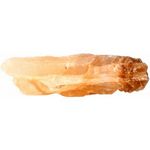
a white stone, used for making statues or other objects for decoration
alabaster2 adjective
1. made of alabaster
2. white and smooth
| I |
noun [uncountable] Date: 1300-1400
Language: Old French
Origin: alabastre, from Latin alabaster __container made of alabaster__, from Greek alabastros
Language: Old French
Origin: alabastre, from Latin alabaster __container made of alabaster__, from Greek alabastros
a white stone, used for making statues or other objects for decoration
| II |
adjective1. made of alabaster
2. white and smooth