alarm
Longman Dictionary of Contemporary English 5++LDOCE 5++ldoce_003_ca·larm1 /əˈlɑːm $ əˈlɑːrm/ ●●● S2 noun 1 [countable]DT a piece of equipment that makes a loud noise to warn you of danger 警报器 I forgot to set the burglar alarm. 我忘记打开防盗警报器了。 Car alarms are always going off in the street. 街上总有汽车警报器在响。 a sophisticated alarm system 精密的警报系统 →4 See picture on 见图 Page A11 Where to stay 住的地方2 [uncountable]FRIGHTENED a feeling of fear or worry because something bad or dangerous might happen 惊恐,惊慌alarm at There is growing alarm at the increase in crime. 对于罪案数量的上升,人们越来越恐慌。in alarm She looked up in alarm. 她惊慌地抬头看。 Scientists have said there is no cause for alarm. 科学家说了不必惊慌。► see thesaurus at fear3  TMC[countable] an alarm clock 闹钟 I’ve set the alarm for 7 o'clock. 我把闹钟设在7点钟。 I was still asleep when the alarm went off. 闹钟响的时候我还在睡。4 raise/sound the alarm WARN especially British English to warn people that something bad is happening 发出警报 Neighbours raised the alarm when they smelled smoke. 邻居闻到烟味便发出了警报。5 alarm bells ring if alarm bells ring, you feel worried that something bad may be happening 警钟敲响,引起警觉 Alarm bells started to ring when he failed to return home. 他没有回家,大家担心起来。 → false alarm COLLOCATIONSADJECTIVES/NOUN + alarma burglar alarm 防盗警报器Neighbours heard the burglar alarm and called the police. 邻居听见防盗警报器响起便报了警。nan intruder/a security alarmThe house has a system of security alarms.a fire/smoke alarm 防火/烟雾警报器A fire alarm went off and the building had to be evacuated. 防火警报器响了,大楼里的人员不得不撤离。a car alarm (=for when someone tries to steal a car) 汽车警报器I was woken by a car alarm in the middle of the night. 半夜,我被汽车警报器惊醒。a baby alarm (=for when a baby wakes up and cries) 婴儿警报器Is the baby alarm switched on? 婴儿警报器开着吗?a personal alarm (=that you carry with you in case you are attacked) 随身警报器nIf you are nervous, invest in a personal alarm.alarm + NOUNan alarm button 警报器按钮He hit the alarm button under the desk. 他按了桌子底下的警报器按钮。an alarm system 警报系统nan electronic burglar alarm systemverbsset off/trigger/activate the alarm (=make it start ringing) 触动警报器A window blew open, setting off the alarm. 一扇窗户突然吹开,触响了警报器。set the alarm (=make it ready to operate) 打开警报器Did you set the burglar alarm? 你打开防盗警报器了吗?an alarm goes off (also an alarm sounds formal) 警报器发出响声The thieves fled when an alarm went off. 警报器响了,小偷就逃跑了。switch/turn off the alarm 关闭警报器nI entered the shop and switched off the alarm.
TMC[countable] an alarm clock 闹钟 I’ve set the alarm for 7 o'clock. 我把闹钟设在7点钟。 I was still asleep when the alarm went off. 闹钟响的时候我还在睡。4 raise/sound the alarm WARN especially British English to warn people that something bad is happening 发出警报 Neighbours raised the alarm when they smelled smoke. 邻居闻到烟味便发出了警报。5 alarm bells ring if alarm bells ring, you feel worried that something bad may be happening 警钟敲响,引起警觉 Alarm bells started to ring when he failed to return home. 他没有回家,大家担心起来。 → false alarm COLLOCATIONSADJECTIVES/NOUN + alarma burglar alarm 防盗警报器Neighbours heard the burglar alarm and called the police. 邻居听见防盗警报器响起便报了警。nan intruder/a security alarmThe house has a system of security alarms.a fire/smoke alarm 防火/烟雾警报器A fire alarm went off and the building had to be evacuated. 防火警报器响了,大楼里的人员不得不撤离。a car alarm (=for when someone tries to steal a car) 汽车警报器I was woken by a car alarm in the middle of the night. 半夜,我被汽车警报器惊醒。a baby alarm (=for when a baby wakes up and cries) 婴儿警报器Is the baby alarm switched on? 婴儿警报器开着吗?a personal alarm (=that you carry with you in case you are attacked) 随身警报器nIf you are nervous, invest in a personal alarm.alarm + NOUNan alarm button 警报器按钮He hit the alarm button under the desk. 他按了桌子底下的警报器按钮。an alarm system 警报系统nan electronic burglar alarm systemverbsset off/trigger/activate the alarm (=make it start ringing) 触动警报器A window blew open, setting off the alarm. 一扇窗户突然吹开,触响了警报器。set the alarm (=make it ready to operate) 打开警报器Did you set the burglar alarm? 你打开防盗警报器了吗?an alarm goes off (also an alarm sounds formal) 警报器发出响声The thieves fled when an alarm went off. 警报器响了,小偷就逃跑了。switch/turn off the alarm 关闭警报器nI entered the shop and switched off the alarm.Examples from the Corpus
alarm• An alarm went off in his head as it occurred to him what a sitting target he was in his Baby.• Several oil-producing countries expressed alarm at the fall in prices.• It sounds like a fire alarm and enters my ears like a keening mosquito that I can not reach.• Some of the girls squealed in alarm.• Some of them had noticed the sea-fret by now and had jumped up in alarm.• She closed the door behind him, put her rape alarm back on the bedside table, and there they were.• The bank teller pushed the alarm button.• Fred Goodyear was so shocked that it was more than eight hours before he raised the alarm.• The Big Three began sounding the alarm in a big way when January sales figures were reported.alarm went off• An alarm went off in his head as it occurred to him what a sitting target he was in his Baby.• Not long after the lorry driver left, the water became more and more acid and alarms went off.• He slept badly for two hours and rose when the bedside alarm went off at three.• The fire alarm went off that evening - Tuesday, November 24.• About an hour before the the alarm went off.• The instant I breached the threshold, the alarm went off.• I had the window down, and when the alarm went off I could hear it clearly.• They caused about £800 worth of damage but fled empty handed when the alarm went off.alarm2 ●●○ verb [transitive] WORRIEDto make someone feel worried or frightened 使不安,使恐慌 I don’t want to alarm you, but I can’t find the key. 我不想吓你,但我找不到钥匙了。→ See Verb tableExamples from the Corpus
alarm• This fish gives off a poisonous mucus from its mouth when alarmed.• It was also couched in language designed to satisfy or at least not to alarm a multitude of constituencies at home.• They came out of the last slopes of the Jebel without having alarmed anything more than a couple of herds of goats.• Many women are alarmed by suggestions of a link between the contraceptive pill and breast cancer.• Meredith shrank back, alarmed by the unpleasant intention behind his expression.• The damage to the marsh has alarmed environmentalists.• We don't wish to alarm people unnecessarily, but it would be wise to avoid drinking the tap water here.• Lieutenants Peel and Maloney succeeded in so alarming the men that they decided to march to join Paredes and the revolutionists.• However, a resurgence of working-class agitation during 1833-4 alarmed the Whig government and the propertied classes in general.Origin alarm1 (1500-1600) French alarme, from Old Italian all' arme “to the weapon”a·larm1 noun →COLLOCATIONS1alarm2 verbLDOCE OnlineChineseSyllable
a equipment Corpus that piece of makes loud a
alarm
a‧larm1 S2 /əˈlɑːm $ əˈlɑːrm/ 
 noun
noun

I forgot to set the burglar alarm.
Car alarms are always going off in the street.
a sophisticated alarm system
2. [uncountable] a feeling of fear or worry because something bad or dangerous might happen
alarm at
There is growing alarm at the increase in crime.
in alarm
She looked up in alarm.
Scientists have said there is no cause for alarm.
3.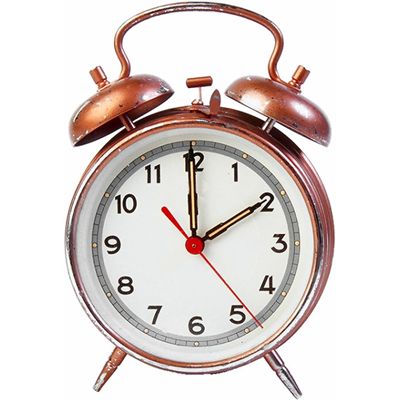
[countable] an alarm clock:
I’ve set the alarm for 7 o'clock.
I was still asleep when the alarm went off.
4. raise/sound the alarm especially British English to warn people that something bad is happening:
Neighbours raised the alarm when they smelled smoke.
5. alarm bells ring if alarm bells ring, you feel worried that something bad may be happening:
Alarm bells started to ring when he failed to return home.
⇨ false alarm
■ ADJECTIVES/NOUN + alarm
▪a burglar alarm Neighbours heard the burglar alarm and called the police.
▪an intruder/a security alarm The house has a system of security alarms.
▪a fire/smoke alarm A fire alarm went off and the building had to be evacuated.
▪a car alarm (=for when someone tries to steal a car) I was woken by a car alarm in the middle of the night.
▪a baby alarm (=for when a baby wakes up and cries) Is the baby alarm switched on?
▪a personal alarm (=that you carry with you in case you are attacked) If you are nervous, invest in a personal alarm.
■ alarm + NOUN
▪an alarm button He hit the alarm button under the desk.
▪an alarm system an electronic burglar alarm system
■ verbs
▪set off/trigger/activate the alarm (=make it start ringing) A window blew open, setting off the alarm.
▪set the alarm (=make it ready to operate) Did you set the burglar alarm?
▪an alarm goes off (also an alarm sounds formal) The thieves fled when an alarm went off.
▪switch/turn off the alarm I entered the shop and switched off the alarm.
▪ fear a feeling of being frightened: He was trembling with fear. | Fear of failure should not stop you trying.
▪terror a feeling of great fear, because you think that something terrible is about to happen: She let out a scream of pure terror.
▪fright a sudden feeling of fear, or a situation that makes you feel this: My body was shaking with fright. | You gave me a fright! | He’s had a bit of fright, that’s all.
▪panic a sudden feeling of fear or nervousness that makes you unable to think clearly or behave sensibly: She was in such a panic that she hardly knew what she was doing! | There were scenes of sheer panic immediately following the bomb blast.
▪alarm a feeling of fear or worry which shows in your voice or behaviour, because you think something bad might happen: When I mentioned her name, he looked up at me in alarm. | The streets were calm and there was no sign of alarm.
▪foreboding /fɔːˈbəʊdɪŋ $ fɔːrˈboʊ-/ a feeling that something bad or unpleasant might happen although there is no obvious reason why it should: She felt the same sense of foreboding she had before her father died.
▪phobia /ˈfəʊbiə $ ˈfoʊ-/ a permanent strong unreasonable fear of something: I had a phobia about going to the dentist.
alarm2 verb [transitive]
to make someone feel worried or frightened:
I don’t want to alarm you, but I can’t find the key.
▪ frighten to make someone feel afraid: The thought of being in court frightened him.
▪scare especially spoken to frighten someone. Scare is less formal than frighten, and is the usual word to use in everyday English: He was driving fast just to scare us. | It scared him to think that his mother might never recover.
▪terrify to make someone feel extremely frightened: The idea of going down into the caves terrified her. | Robbers terrified bank staff by threatening them at gunpoint.
▪give somebody a fright to make someone suddenly feel frightened in a way that makes their heart beat more quickly: It gave me a terrible fright when I found him unconscious on the floor.
▪give somebody the creeps if a person or place gives you the creeps, they make you feel slightly frightened because they are strange: This house gives me the creeps.
▪startle to frighten someone. Used when you suddenly see someone and did not know they were there, or when you suddenly hear something: I’m sorry. I didn’t mean to startle you. | The noise startled him, and he dropped his glass on the floor.
▪alarm to make someone feel frightened and worried that something bad might happen: I didn’t want to alarm her by calling in the middle of the night.
▪intimidate to deliberately frighten someone, especially so that they will do what you want: Many of the gangs were using dogs to intimidate people.
| I |
noun Date: 1500-1600
Language: French
Origin: alarme, from Old Italian all' arme 'to the weapon'
1. [countable] a piece of equipment that makes a loud noise to warn you of danger:Language: French
Origin: alarme, from Old Italian all' arme 'to the weapon'
2. [uncountable] a feeling of fear or worry because something bad or dangerous might happen
alarm at
in alarm
3.
[countable] an alarm clock:
4. raise/sound the alarm especially British English to warn people that something bad is happening:
5. alarm bells ring if alarm bells ring, you feel worried that something bad may be happening:
⇨ false alarm
| COLLOCATIONS |
▪
▪
▪
▪
▪
▪
■ alarm + NOUN
▪
▪
■ verbs
▪
▪
▪
▪
| THESAURUS |
▪
▪
▪
▪
▪
▪
| II |
verb [transitive]to make someone feel worried or frightened:
| THESAURUS |
▪
▪
▪
▪
▪
▪
▪
fear the bad feeling that you have when you are in danger, when sth bad might happen, or when a particular thing frightens you 指害怕、惧怕、担忧 :◆ (a) fear of flying 害怕坐飞机 ◆ She showed no fear. 她毫无惧色。 terror a feeling of extreme fear 指惊恐、恐惧、惊骇 :◆ Her eyes were wild with terror. 她的眼睛里充满了恐惧。 panic a sudden feeling of great fear that cannot be controlled and prevents you from thinking clearly 指惊恐、恐慌 :◆ I had a sudden moment of panic. 我突然一阵惊慌。 alarm fear or worry that sb feels when sth dangerous or unpleasant might happen 指惊恐、惊慌、恐慌 :◆ The doctor said there was no cause for alarm .医生说不必惊慌。 fright a feeling of fear, usually sudden 通常指突如其来的惊吓、恐怖 :◆ She cried out in fright. 她吓得大声叫喊。
fear or fright? 用 fear 还是 fright?
Fright is a reaction to sth that has just happened or is happening now. Usefear , but notfright , to talk about things that always frighten you and things that may happen in the future.* fright 指对刚刚发生或正在发生的事情的反应。对一直使人害怕的事物和对未来可能发生的事情感到担忧应该用 fear,而不能用 fright :◆ I have a fright of spiders. ◆ his fright of what might happen
Patterns
a fear/terror of sthin fear/terror/panic/alarm/frightfear/terror/panic/alarm that… to be filled with fear/terror/panic/alarma feeling of fear/terror/panic/alarm

frighten to make sb feel afraid, often suddenly 指(常突如其来地)使惊吓、使惊恐 :◆ He brought out a gun and frightened them off. 他掏出一把枪,把他们吓跑了。 scare to make sb feel afraid 指使害怕、使恐惧 :◆ They managed to scare the bears away. 他们设法把那些熊吓跑了。 alarm to make sb anxious or afraid 指使惊恐、使害怕、使担心 :◆ It alarms me that nobody takes this problem seriously. 谁都不认真对待这个问题,我非常担心。 NOTE Alarm is used when sb has a feeling that sth unpleasant or dangerous might happen in the future; the feeling is often more one of worry than actual fear.* alarm 指令人担心不好的事情或危险可能发生,多为忧虑而非真的害怕。 terrify to make sb feel extremely afraid 指使恐惧、使十分害怕、使惊吓 :◆ Flying terrified her. 她害怕坐飞机。
frighten or scare? 用 frighten 还是 scare?
Scare is slightly more informal thanfrighten .* scare 较 frighten 稍非正式。
Patterns
to frighten/scare sb/sth away/off to frighten/scare/terrify sb into doing sthIt frightens/scares/alarms/terrifies methat… It frightens/scares/alarms/terrifies meto think, see, etc.