almond
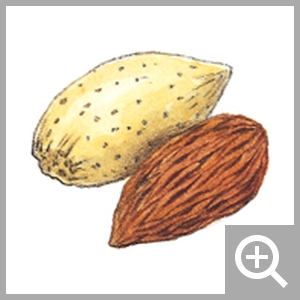
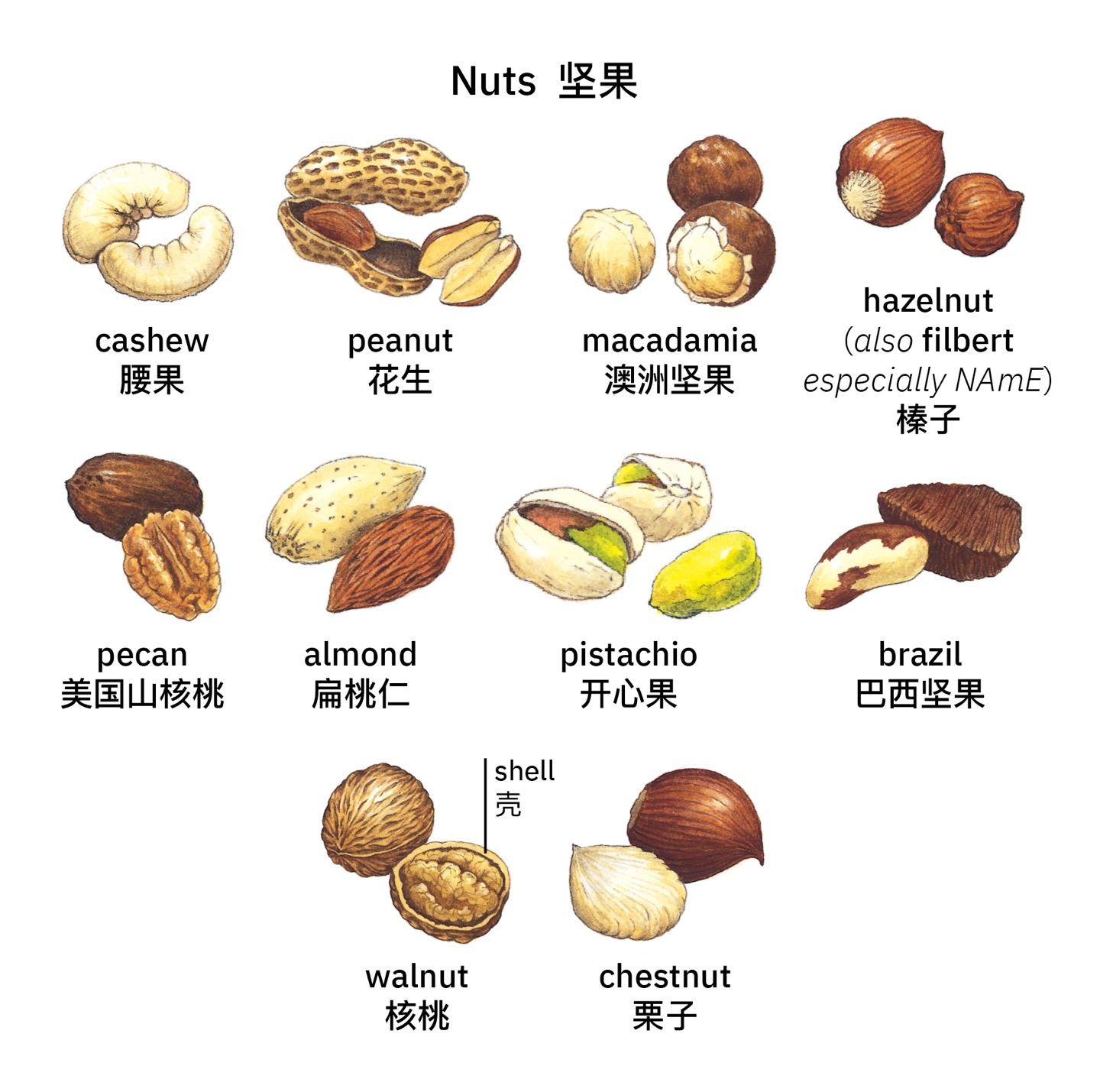
Longman Dictionary of Contemporary English 5++LDOCE 5++al·mond /ˈɑːmənd $ ˈɑː-, ˈæ-, ˈæl-/ noun [countable]  HBPDFFa flat pale nut with brown skin that tastes sweet, or the tree that produces these nuts 扁桃仁;扁桃树 Stir in the ground almonds and egg. 拌入碾碎的扁桃仁和鸡蛋。 →5 see picture at 见图 nut1
HBPDFFa flat pale nut with brown skin that tastes sweet, or the tree that produces these nuts 扁桃仁;扁桃树 Stir in the ground almonds and egg. 拌入碾碎的扁桃仁和鸡蛋。 →5 see picture at 见图 nut1Examples from the Corpus
almond• I put an almond croissant in a low oven for him.• Vines and almonds, lemons and oranges, pomegranates and sugar.• Buttered almonds, or even the chewed leaves of the laurel.• Stir in melted chocolate, flour, peppermint extract and chopped almonds.• Puds with flair include almond blancmange and bread-and-butter pudding; the long, shrewd wine list starts at £6.90.• Homemade cranberry sauce with slivers of almonds and pieces of orange peel.• Beat eggs slightly and combine with oil, almond extract, bananas and pineapple.• In London, Renshaws put the almonds to work.Origin almond (1300-1400) Old French almande, from Late Latin amandula, from Greek amygdaleal·mond nounChineseSyllable
skin that brown pale nut with flat Corpus a
See ldoce4325jpg for more
almond
al‧mond /ˈɑːmənd $ ˈɑː-, ˈæ-, ˈæl-/
 noun [countable]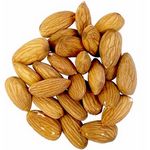
a flat pale nut with brown skin that tastes sweet, or the tree that produces these nuts:

Stir in the ground almonds and egg.
al‧mond /ˈɑːmənd $ ˈɑː-, ˈæ-, ˈæl-/
noun [countable] Date: 1300-1400
Language: Old French
Origin: almande, from Late Latin amandula, from Greek amygdale
Language: Old French
Origin: almande, from Late Latin amandula, from Greek amygdale
a flat pale nut with brown skin that tastes sweet, or the tree that produces these nuts: