antenna
Longman Dictionary of Contemporary English 5++LDOCE 5++an·ten·na /ænˈtenə/ noun [countable] 1.  (plural antennae /-niː/)HBI one of two long thin parts on an insect’s head, that it uses to feel things 触角;触须 →5 see picture at 见图 insect2 TAMT (plural antennas or antennae) a wire rod etc used for receiving radio and television signals 天线 SYN aerial television antennas 电视机天线 →4 See picture on 见图 Page A2 Car 汽车 →5 see picture at 见图 car
(plural antennae /-niː/)HBI one of two long thin parts on an insect’s head, that it uses to feel things 触角;触须 →5 see picture at 见图 insect2 TAMT (plural antennas or antennae) a wire rod etc used for receiving radio and television signals 天线 SYN aerial television antennas 电视机天线 →4 See picture on 见图 Page A2 Car 汽车 →5 see picture at 见图 carExamples from the Corpus
antenna• It will raise an antenna and run a cable from the truck to a camera to record pictures of the burning building.• The null in the directional response of such an antenna is quite independent of the Q of the coil.• It appears that the in-cockpit antenna is the problem.• Without mathematical modelling, the problem would not have been discovered until the complete antenna subsystem had been built and tested.• It keeps our main antenna aimed at Earth to within a few thousandths of a degree.• Certainly, few entomologists doubt that the amazingly intricate structure of moths' antennae are specific pheromone detectors.• A man beside a pickup truck was standing alongside the road, twirling a radio antenna.• It was a slender black creature with long yellow antennae and yellow-ringed legs.Origin antenna (1600-1700) Latin “pole holding up a sail”an·ten·na nounChineseSyllable
of thin one long Corpus parts on two
See ldoce4238jpg for more
antenna
an‧ten‧na /ænˈtenə/
 noun [countable]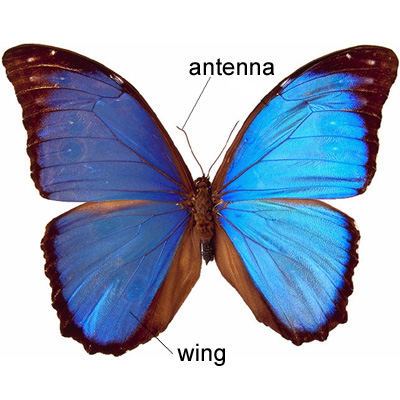
1. (plural antennae /-niː/) one of two long thin parts on an insect’s head, that it uses to feel things
2. (plural antennas or antennae) a wire rod etc used for receiving radio and television signals
SYN aerial:

television antennas
an‧ten‧na /ænˈtenə/
noun [countable] Date: 1600-1700
Language: Latin
Origin: 'pole holding up a sail'
Language: Latin
Origin: 'pole holding up a sail'
1. (plural antennae /-niː/) one of two long thin parts on an insect’s head, that it uses to feel things
2. (plural antennas or antennae) a wire rod etc used for receiving radio and television signals
SYN aerial:
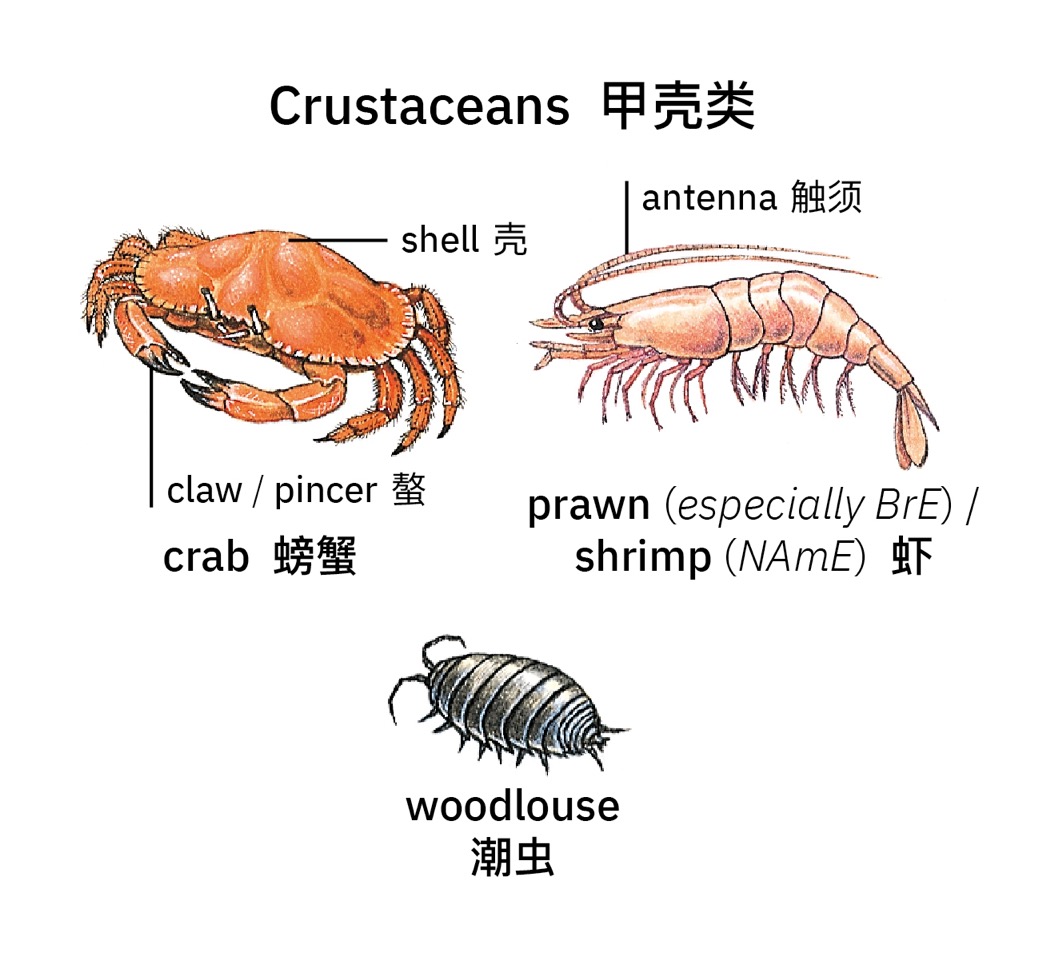


especially
usually