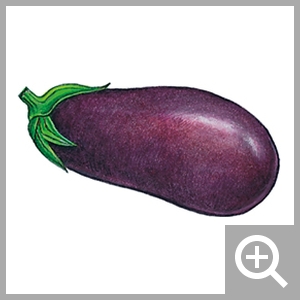
aubergine
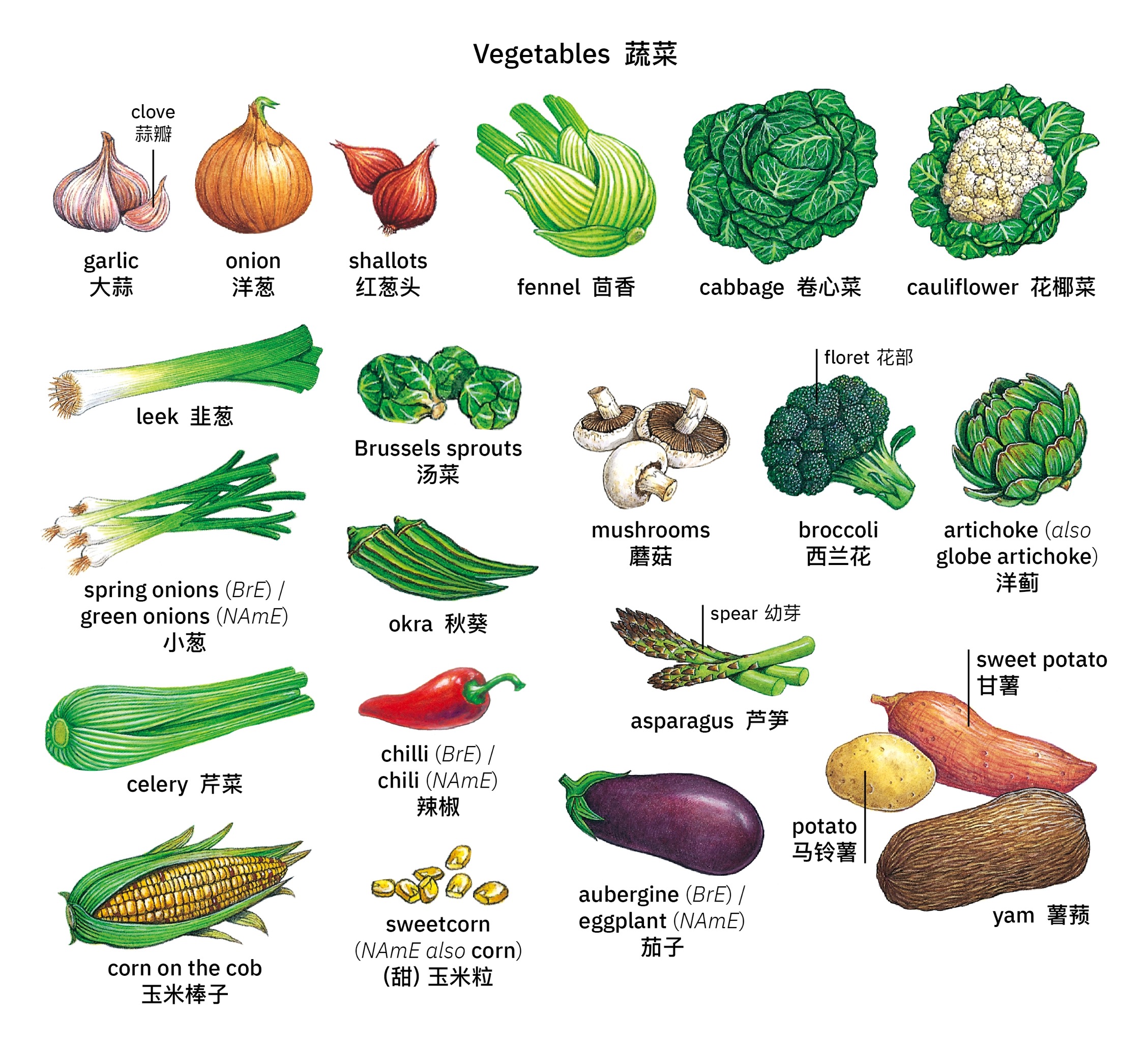
Longman Dictionary of Contemporary English 5++LDOCE 5++au·ber·gine /ˈəʊbəʒiːn $ ˈoʊbər-/ noun [countable, uncountable] British English  HBPDFFa large dark purple vegetable 茄子 SYN American English eggplant →5 see picture at 见图 vegetable
HBPDFFa large dark purple vegetable 茄子 SYN American English eggplant →5 see picture at 见图 vegetableExamples from the Corpus
aubergine• It turned out to be the food market, where they sold swollen watermelons and aubergines and strange shaped fruits.• Numbers and music shared of course the same patterns of elegance, even when the figures exalted only aubergines.• Then stir in the chopped reserved aubergine flesh and the pistachios.• And hazelnut stuffed aubergines, mozzarella cheese, parmesan, the tiniest button mushrooms she could find.• Drain the aubergines, rinse in cold water and dry on kitchen paper.• Fry the aubergine slices in the remaining oil until golden, then drain on kitchen paper. 5.• Chop the red pepper and mushrooms and arrange on the aubergines.• Spoon the sauce over the aubergines and bake for 40 minutes until browned on top.Origin aubergine (1800-1900) aubergine “eggplant” ((18-21 centuries)), from French, from Catalan alberginia, from Arabic al-badhinjan “the eggplant”, from Persian badinganau·ber·gine nounChineseSyllable
purple a vegetable dark Corpus large
See ldoce4467jpg for more
aubergine
au‧ber‧gine /ˈəʊbəʒiːn $ ˈoʊbər-/
 noun [uncountable and countable] British English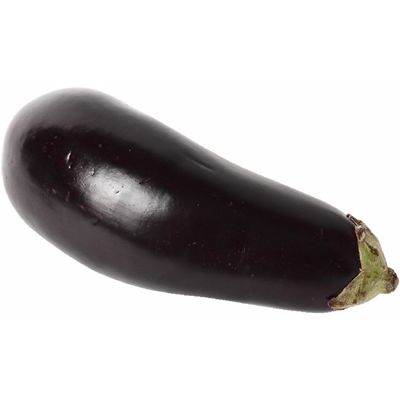
a large dark purple vegetable
SYN eggplant American English
au‧ber‧gine /ˈəʊbəʒiːn $ ˈoʊbər-/
noun [uncountable and countable] British English Date: 1800-1900
Origin: aubergine 'eggplant' (18-21 centuries), from French, from Catalan alberginia, from Arabic al-badhinjan 'the eggplant', from Persian badingan
Origin: aubergine 'eggplant' (18-21 centuries), from French, from Catalan alberginia, from Arabic al-badhinjan 'the eggplant', from Persian badingan
a large dark purple vegetable
SYN eggplant American English