axis
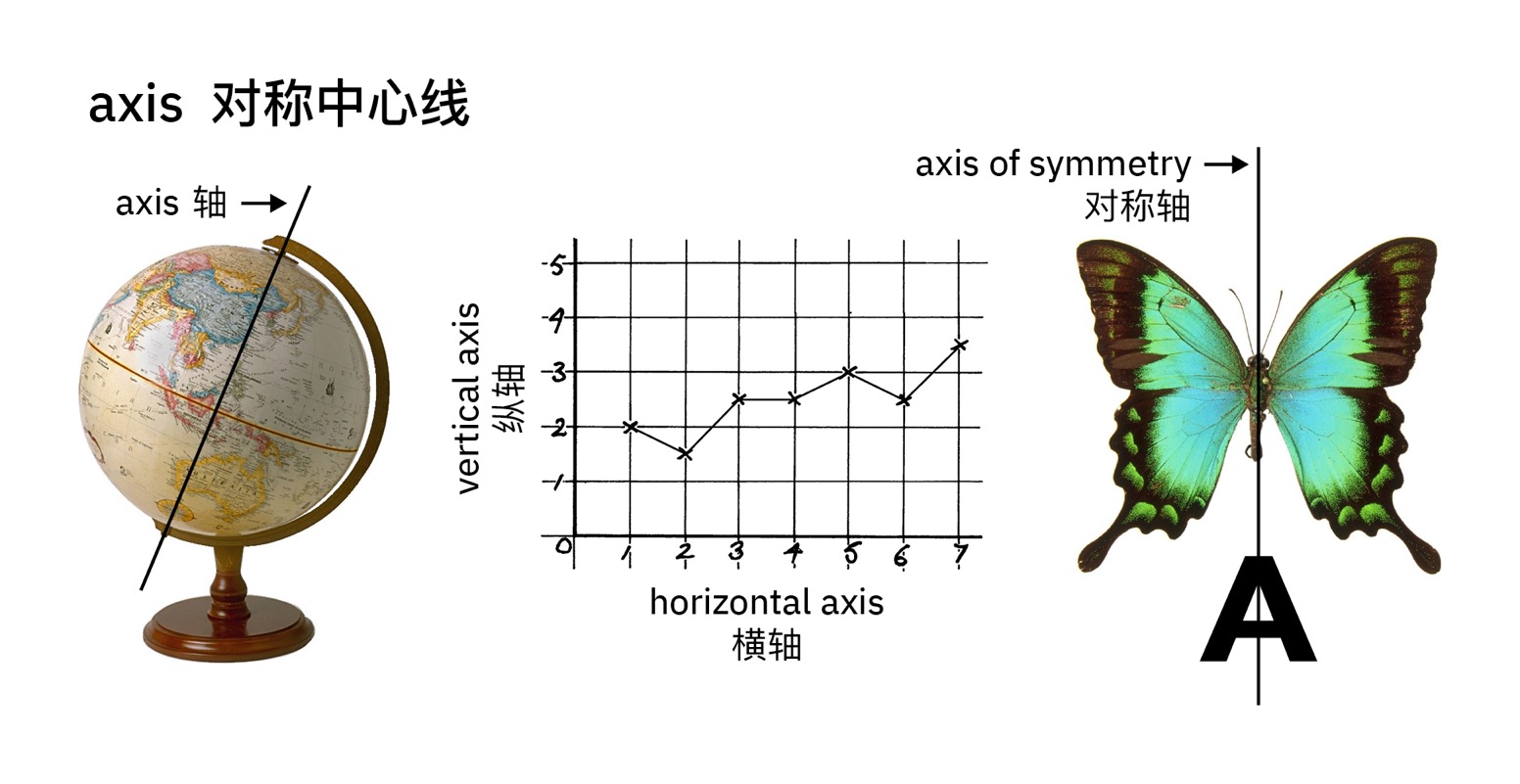
Longman Dictionary of Contemporary English 5++LDOCE 5++ax·is /ˈæksɪs/ ●○○ noun (plural axes /-siːz/) [countable] 1 SGthe imaginary line around which a large round object, such as the Earth, turns 轴,轴线 The Earth rotates on an axis between the north and south poles. 地球绕着南北两极之间的地轴自转。 →5 see picture at 见图 earth12. HMa line drawn across the middle of a regular shape that divides it into two equal parts 〔将规则形状平分为二的〕对称轴,对称中心线3 HMeither of the two lines of a graph, by which the positions of points are measured 参考轴线,坐标轴the vertical/horizontal axis 纵/横(坐标)轴
Examples from the Corpus
axis• The Earth spins on an axis, creating north and south poles.• Concern for production is illustrated on the horizontal axis.• An outer cylinder of platinum was used as the anode, with a rod of palladium on its axis as the cathode.• This hypothesis generates an infinite set of indifference curves which are convex to the L axis.• Muscle strips were mounted with the longitudinal axis parallel to the direction of the circular muscle bundles.• In Fig. 11-7 the wage rates for labour in the two localities are shown on the vertical axis.• These edges can be considered mutually exclusive interpretations of some stretch of the utterance defined by the z and x axis.nthe AxisAxis, the (also the Axis powers, the Axis countries) noun nthe countries, including Germany, Italy, and Japan, who fought together during World War II against the allies.Origin axis (1300-1400) Latin “axis, axle”ax·is nounAxis, the nounLDOCE OnlineChineseSyllable
such around which imaginary object, as round line the large a Corpus
See ldoce4196jpg for more
Axis
Axis, the
 (also ˈAxis ˌpowers, the), ˈAxis ˌcountries noun
the countries, including Germany, Italy, and Japan, who fought together during World War II against the Allies.
Axis, the
(also ˈAxis ˌpowers, the), ˈAxis ˌcountries nounthe countries, including Germany, Italy, and Japan, who fought together during World War II against the Allies.
axis
ax‧is /ˈæksəs, ˈæksɪs/ noun (plural axes /-siːz/) [countable]

The Earth rotates on an axis between the north and south poles.
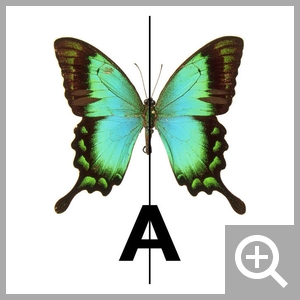
2. a line drawn across the middle of a regular shape that divides it into two equal parts
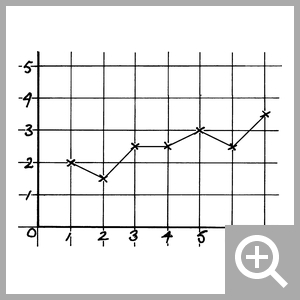
3. either of the two lines of a graph, by which the positions of points are measured
the vertical/horizontal axis
ax‧is /ˈæksəs, ˈæksɪs/
noun (plural axes /-siːz/) [countable] Date: 1300-1400
Language: Latin
Origin: 'axis, axle'
1. the imaginary line around which a large round object, such as the Earth, turns:Language: Latin
Origin: 'axis, axle'
2. a line drawn across the middle of a regular shape that divides it into two equal parts
3. either of the two lines of a graph, by which the positions of points are measured
the vertical/horizontal axis