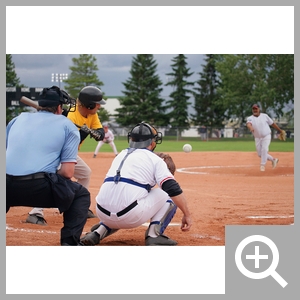
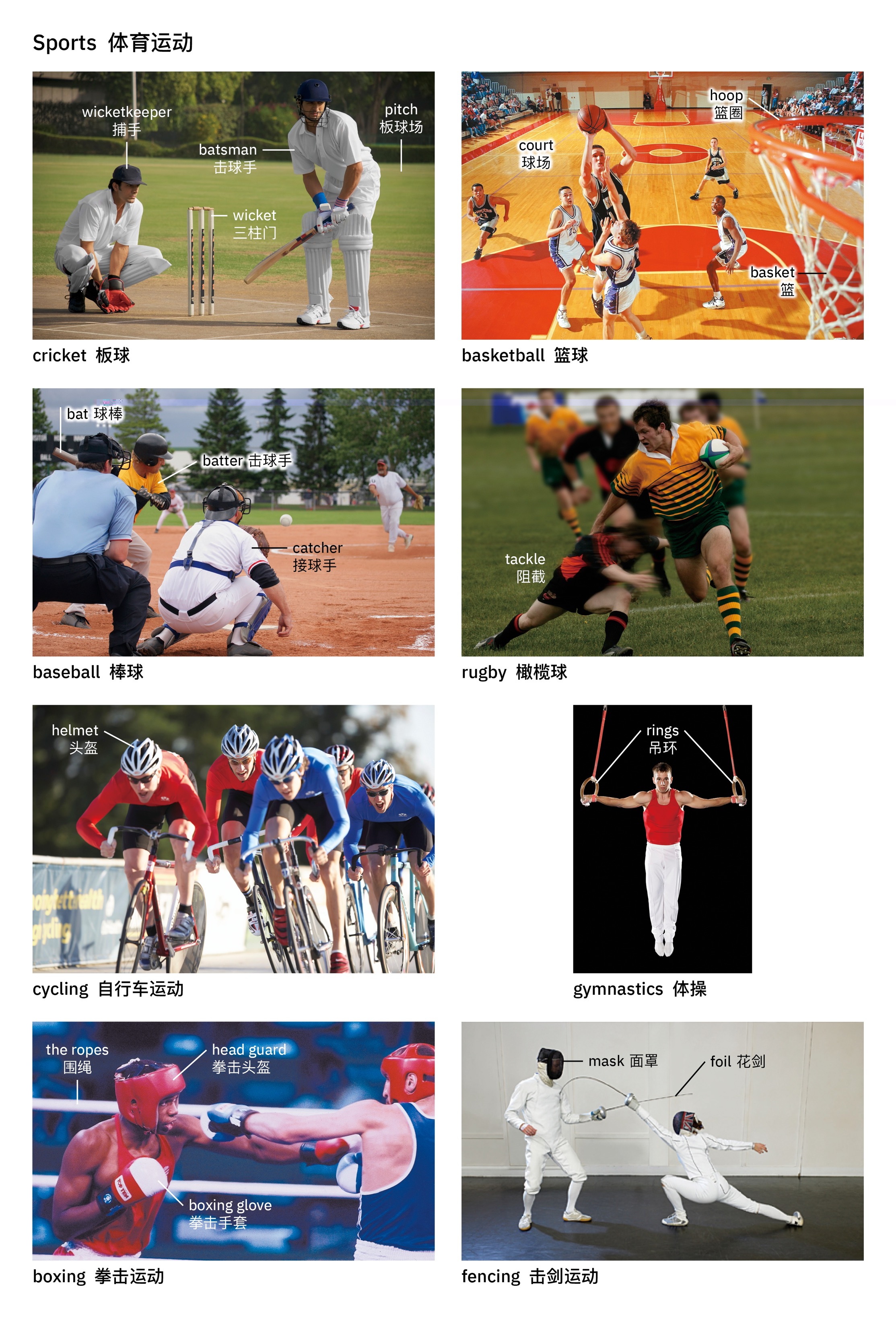
batter
Longman Dictionary of Contemporary English 5++LDOCE 5++bat·ter1 /ˈbætə $ -ər/ verb [intransitive always + adverb/preposition, transitive] HITto hit someone or something many times, in a way that hurts or damages them 殴打;连续猛击;撞击 He was battered to death. 他被殴打致死。 As a child, she was battered by her father. 她小时候遭受过父亲的殴打。batter at/on/against etc People were battering at the door. 人们在不停地擂门。batter somebody with something He was battered on the head with a cricket bat. 他头上遭板球球板猛击。batter away She battered away at his chest with her fists. 她用拳头捶打着他的胸口。batter something down Armed police battered his door down. 武装警察砸开了他的门。→ See Verb table
Examples from the Corpus
batter• Michael Pearson, 19, of Leeds, battered 19-year-old Dean Fisher to death after meeting him in a pub.• His campaign team was battered by a humiliating defeat in Iowa.• Each year, perhaps 4 million women are battered by their husbands.• The man she was living with was battering her, Lee-Cruz said, and she called the police.• The jury heard how Thompson had been maddened by what he saw and battered his wife to death.• There were reports of soldiers battering prisoners with their rifles.• Teachers suspect that the child is being battered regularly by his parents.battered to death• He'd been battered to death.• Park manager Paul Weston said the rabbits had apparently been battered to death.• Two days later the bishop was battered to death in his home.• Mr Davidson was battered to death while his daughter's eye was pierced with a knitting needle.• I'd seen it too and it hadn't told me anything except that Moira was battered to death with a tenor sax.batter2 noun 1 [countable, uncountable]DFF a mixture of flour, eggs, milk etc, used in cooking and for making bread, cakes etc 〔面粉、鸡蛋、牛奶等调成的〕面糊 Fry the fish in batter. 把鱼蘸上面糊油炸。 pancake batter 煎饼面糊2. [countable]DSB the person who is trying to hit the ball in baseball 〔棒球〕击球手 →5 see picture at 见图 baseballExamples from the Corpus
batter• Nick has become as consistent as any batter in the Championship.• Hell, for Eloise, could well turn out to be full of fish batter, sliced potatoes and boiling fat.• Keep away from the fried batter and won-ton pastry dishes and ask for steamed or boiled rice.• The next batter was pinch-hitter Jeffrey Hammonds.• Stir batter down and bake cakes on a lightly greased griddle, using about cup batter per pancake.• I could see his fingers working signals behind the mitt so intensely the batter had to have seen too.• Add the flour, semolina and currants and stir into the batter with a wooden spoon.Origin batter1 (1300-1400) Old French batre or English bat “to hit” batter2 1. (1400-1500) Probably from → BATTER12. (1800-1900) → BAT2bat·ter1 verbbatter2 nounChineseSyllable
something many or Corpus hit to someone times,
batter
bat‧ter1 /ˈbætə $ -ər/ 
 verb [intransitive always + adverb/preposition, transitive]

He was battered to death.
As a child, she was battered by her father.
batter at/on/against etc
People were battering at the door.
batter somebody with something
He was battered on the head with a cricket bat.
batter away
She battered away at his chest with her fists.
batter something down
Armed police battered his door down.
batter2 noun1. [uncountable and countable] a mixture of flour, eggs, milk etc, used in cooking and for making bread, cakes etc:
Fry the fish in batter.
pancake batter
2. [countable] the person who is trying to hit the ball in baseball
| I |
verb [intransitive always + adverb/preposition, transitive] Date: 1300-1400
Language: Old French
Origin: batre or English bat 'to hit'
to hit someone or something many times, in a way that hurts or damages them:Language: Old French
Origin: batre or English bat 'to hit'
batter at/on/against etc
batter somebody with something
batter away
batter something down
| II |
noun1. [uncountable and countable] a mixture of flour, eggs, milk etc, used in cooking and for making bread, cakes etc: 2. [countable] the person who is trying to hit the ball in baseball
beat to hit sb/sth a lot of times, especially very hard 指反复敲打、使劲锤砸 :◆ Someone was beating at the door. 有人在打门。 ◆ A young man was found beaten to death last night. 昨天夜里有人发现一名小伙子被打死了。 ◆ At that time, children were often beaten for quite minor offences (= .as a punishment )那时候孩子们常常因为很小的过错而挨打。 batter to hit sb/sth hard a lot of times, especially in way that causes serious injury or damage 指连续猛击,尤指造成伤害或破坏 :◆ He had been badly battered around the head and face. 他被打得鼻青脸肿。 ◆ Severe winds have been battering the coast. 狂风一直在海岸肆虐。 pound to hit sb/sth hard a lot of times, especially in a way that makes a lot of noise 指连续猛击,尤指发出砰砰的撞击声 :◆ Heavy rain pounded on the roof. 暴雨砰砰地砸在屋顶上。 lash to hit sb/sth with a lot of force 指猛击、狠打 :◆ The rain lashed at the window. 雨点猛烈地打在窗户上。 NOTE The subject of lash is oftenrain, wind, hail, sea orwaves .* lash 的主语常为 rain、wind、hail、sea 或 waves。 hammer to hit sb/sth hard a lot of times, in a way that is noisy or violent 指大声、猛烈地反复敲打、连续击打 :◆ He hammered the door with his fists. 他不断地用拳头擂门。
pound or hammer? 用 pound 还是 hammer?
There is not much difference in meaning between these two, but to pound is sometimes a steadier action. Tohammer can be more violent and it is often used figuratively.这两个词意思差别不大,但 pound 有时指较匀速而稳定地击打;hammer 更猛烈,且常用作比喻。
Patterns
to beat/batter/pound/lash/hammer sb/sth with sthto beat/batter/pound/lash/hammer against sthto beat/batter/pound/hammer on sthto beat/batter/hammer sth down the rain/wind/sea beats/batters/pounds/lashes (at) sth