can
Longman Dictionary of Contemporary English 5++LDOCE 5++can1 /kən; strong kæn/ ●●● S1 W1 modal verb (negative short form can’t) 1 CANability 能力 to be able to do something or to know how to do something 能,会 You can swim, can’t you? 你会游泳,是吗? Even a small personal computer can store vast amounts of information. 即使是一台小型个人电脑,也能储存大量的信息。 Gabriella can speak French fluently. 加布里埃拉能讲一口流利的法语。 I’m afraid Mr Harding can’t see you now – he’s busy. 抱歉,哈丁先生此刻不能见你,他正在忙。 The police are doing all they can to find her. 警方正在尽一切所能寻找她。2 requesting 请求 spokenASK FOR something/ASK somebody TO DO something used to ask someone to do something or give you something 可以…吗?能…吗?〔用于请求某人做某事或给你某物〕 Can I have a drink, please? 能给我一支香烟吗? Can you help me lift this box? 你能帮我抬一下这个箱子吗?3 LET/ALLOWallowed 经允许的 to be allowed to do something or to have the right or power to do something 可以 You can’t park here – it’s a no parking zone. 你不能在这里停车——这是非停车区。 ‘Can we go home now?’ ‘No we can’t.’ “我们现在可以回家了吗?”“不,不可以。” A police officer can insist on seeing a driver’s license. 任何一位警察都可以要求查看司机的驾驶执照。4 POSSIBLEpossibility 可能性 used to say that something is possible 有可能,会 I am confident a solution can be found. 我相信会找到解决办法。 There can be no doubt that he is guilty. 他有罪这一点是毋庸置疑的。 The boxes can be stored flat. 这些箱子可以拆平存放。 Can he still be alive after all this time? 过了这么长时间,他还可能活着吗?5 CANseeing/hearing etc 看到/听到等 used with the verbs ‘see’, ‘hear’, ‘feel’, ‘taste’, and ‘smell’, and with verbs connected with thinking, to mean that someone sees something, hears something etc 〔与表示感官的动词如 see, hear, feel, taste, smell 以及与思维有关的动词连用,表示看到、听到等〕 Here they are – I can see their car. 他们来了——我看到他们的汽车了。 Can you smell something burning? 你闻到什么东西烧焦了吗? I can’t understand why you’re so upset. 我不明白你为何这么沮丧。 He can’t remember where he put the tickets. 他记不起把票放在哪儿了。6 not true 非真实的 [in negatives] used to say that you do not believe that something is true 〔表示不相信某事是真实的〕 This can’t be the right road. 不可能是这条路。5 It can’t be easy caring for a man and a child who are not your own.照顾一个男人和一个非亲生的孩子可不是件容易的事。n It can’t be easy caring for someone else’s children. 7 should not 不应该 [in questions and negatives] used to say that someone should not or must not do something 〔表示某人不该或不可以做某事〕 You can’t expect the world to change overnight. 你不能指望世界一夜之间就变样。 We can’t go on like this. 我们不能再这样下去了。 Jill’s left her husband, but can you blame her after the way he treated her? 吉尔离开了她丈夫,但是他那样待她,你能责怪她吗?8 SURPRISEDsurprise/anger 惊奇/愤怒 [usually in questions and negatives] spoken used when you are surprised or angry 难道会…;怎么可以…〔表示惊讶或气愤〕9 SOMETIMESsometimes 有时候 used to say what sometimes happens or how someone sometimes behaves 有时可能会〔用于表示偶尔的可能性〕10 MUSTgiving orders 发命令 spoken used to tell someone in an angry way to do something 必须〔表示愤怒〕11 no can do spoken used to say that it is impossible for you to do what someone has asked you to do 不行〔用于表示你做不了某人要求你做的事〕 THESAURUSto be able to do something 有能力做某事can do something to have the ability, opportunity, time, or equipment that you need in order to do something. Could is used as the past form, and is also used to say what is or may be possible 能做某事〔指拥有做某事的能力、机会、时间或设备。could是过去式,也用于表示可能性〕‘I don’t think Mike can drive.’ ‘Yes, he can.’ “我想迈克不会开车。”“不,他会开车。”nHe can run faster than me.Can you see the TV, or should I move? 你能看到电视吗?还是要我动一动?nThis program can translate your e-mail into other languages.nHow many hamburgers do you think you can eat?Adrian could read when he was four. 阿德里安四岁的时候就能阅读了。nIf we had a boat we could row across to the island.Why didn’t they ask me? I could have done it for them for half the price. 他们为什么不找我呢?一半的价钱我就可以帮他们做了。She could win. 她可能会赢。be able to do something used when talking about ability or success in the past or ability in the future, or when you need to use an infinitive. It is also used instead of can in more formal English 有能力做某事 有能力做某事〔用于表示过去有某能力或做成某事,将来有能力做某事,或用于需用不定式时,也可在较正式的英语中代替can〕I was able to get a good job (=I got one). 我当时能够找到一份好工作。Will you be able to carry those bags on your own? 你一个人拿得动那些包吗?If you want to join the expedition, you must be able to speak Spanish. 如果你想参加这次探险活动,你必须会说西班牙语。The young birds are now able to fly. 这些雏鸟现在会飞了。be capable of something to have the ability, energy, or qualities needed to do something, especially something very difficult or unusual – use this about people or machines 〔人或机器〕能够做某事〔指有能力、精力或品质做某事,尤指非常困难或特殊的事〕She’s perfectly capable (=completely capable) of dealing with the situation. 她完全有能力处理这个局面。The car is capable of a top speed of 200 mph. 这辆车最高时速可以达到200英里。nNo one thought he was capable of murder.have the ability to do something to be able to do something, especially something that is unusual or that most people cannot do 有能力做某事〔尤指特别的、多数人不能做的事情〕She seemed to have the ability to make people do anything she wanted. 她似乎有能力让别人听命于她。nI believe the team definitely has the ability to win the championship.be in a position to do something to be able to do something because you have enough knowledge, power, money, or equipment to do it 〔因为拥有足够的知识、权力、财力或设备〕能够做某事We will have to run more tests before we are in a position to say whether the document is authentic or not. 我们必须做更多的检验,才可以判断这个文件是真是假。nThey expect be in a position to begin construction within two years.manage to do something to succeed in doing something difficult, especially after trying very hard 〔尤指通过极大努力〕终于做成某事〔指困难的事〕He finally managed to find an apartment near his office. 他最后终于在公司附近找到了一处寓所。nAt least three of the hostages managed to escape.to be unable to do something 没有能力做某事can’t/cannot do something to be unable to do something because you do not have the ability, opportunity, time, or equipment that you need. Couldn’t/could not is used as the past form 〔因为没有所需的能力、机会、时间或设备〕不能做某事〔过去式用couldn’t/could not〕Louise can’t see anything without her glasses. 路易丝不戴眼镜什么也看不见。He couldn’t remember where he had left the car. 他不记得把车停在哪儿了。n‘Will you help me move this?’ ‘I’m sorry, I can’t – my back’s still giving me trouble.’I couldn’t have done it without your help. 如果没有你的帮助,我肯定做不了。nI could never have climbed that ridge – I’m too out of shape.nScientists still cannot explain exactly how the virus reproduces.nSarah could not understand why anyone would want to hurt her.not be able to do something used when talking about inability in the past or the future, when you need to use an infinitive, and in more formal English 有能力做某事 没有能力做某事〔用于表示过去或将来没有能力,用于需用不定式的时候或较正式的英语中〕Unfortunately, I wasn’t able to help them. 遗憾的是,我没有能力帮助他们。I don’t think I’ll be able to come to the meeting after all. 我想我还是不能来参加会议。The doctor told Tina she wouldn’t be able to have children. 医生告诉蒂娜,她将不能生育。nI’ve looked all over the house but I haven’t been able to find my keys anywhere.be unable to do something especially written to not be able to do something, especially something important that you want to do or need to do 没有能力做某事 无法做某事〔尤指想做或需要做的重要事情〕He was unable to sleep and lay awake all night. 他无法入睡,一夜无眠。Many passengers were unable to reach the lifeboats in time. 许多乘客没能及时登上救生艇。not be in a position to do something (also be in no position to do something) formal to not be able to do something because you do not have enough knowledge, power, money, or equipment to do it 〔因为没有足够的知识、权力、财力或设备〕不能够做某事I’m afraid I’m not in a position to answer your questions. 恐怕我无法回答你的问题。nHaving committed military force there, America is in no position to repeat this strategy elsewhere.not be capable of something (also be incapable of something) to not have the physical strength or mental ability to do something – often used when criticizing someone 〔没有体力或智力〕无法做某事〔常用于批评某人〕My son seems to be incapable of keeping a job. 我儿子好像连一份工作都保不住。She’s not capable of looking after herself anymore. 她没有能力再照顾自己。nHer father was a man who was utterly incapable of pity or sympathy.n GRAMMAR: Patterns with can• Like other modal verbs, you use can before the base form of the main verb (=the infinitive without ‘to’): We can hear the birds singing. You can go home now.Sharks can be dangerous. ✗Don’t say: We can to go home. | We can going home. • The past tense of can is could: We could hear the birds singing.The teacher said we could go home. • You also use was/were able to when talking about the ability to do something in the past, especially something that was difficult: He was able to walk a few steps. • In questions you say Can I/he/she etc: Can we go home?• In negatives you say can’t (spoken) or cannot (written): I can’t hear you! He cannot leave prison. • You also use is/are unable to when saying that someone does not have the ability to do something: He is unable to walk.  Da metal container in which food or drink is preserved without air 〔装食品或饮料的〕金属罐2 TDa special metal container that keeps the liquid inside it under pressure. The liquid is released as a spray when you press the button 〔特制的压力〕喷罐3 especially American EnglishD a metal container with a lid that can be removed, used for holding liquid 有盖金属圆罐[桶]4 can of worms COMPLICATEDa very complicated situation that causes a lot of problems when you start to deal with it 极为棘手[困难,麻烦]的局面5. in the can informal a film that is in the can is complete and ready to be shown 〔影片〕拍摄完毕可放映的,杀青的6 the can informaln7. cans [plural] informal headphones → carry the can at carry1(26)
Examples from the Corpus
can• The police still haven't found her but they're doing all they can.• That kind of plastic can be molded into any shape.• He can be such a jerk sometimes.• I'm sure we can finish in time.• The word "bill" can have several different meanings.• Can I have the check, please?• If you don't want to learn, you can leave right now.• There's hardly any traffic and you can really go fast.• Jean can speak French fluently.• That's really nice of you, but I really can't accept it.• That can't be right.• I can't swim.• In soccer, you can't touch the ball with your hands.• If you have a complaint, you can talk to the manager.• Oh, I can taste the lemon grass!• I told her she can watch TV till bedtime.• Can we turn the air conditioner on?• Sure she's mad, can you blame her?• Can you hear all right in the back row?ldoce_041_ecan2 /kæn/ ●●● S2 noun [countable] 1 Da metal container in which food or drink is preserved without air 〔装食品或饮料的〕金属罐2 TDa special metal container that keeps the liquid inside it under pressure. The liquid is released as a spray when you press the button 〔特制的压力〕喷罐3 especially American EnglishD a metal container with a lid that can be removed, used for holding liquid 有盖金属圆罐[桶]4 can of worms COMPLICATEDa very complicated situation that causes a lot of problems when you start to deal with it 极为棘手[困难,麻烦]的局面5. in the can informal a film that is in the can is complete and ready to be shown 〔影片〕拍摄完毕可放映的,杀青的6 the can informaln7. cans [plural] informal headphones → carry the can at carry1(26)Examples from the Corpus
can• He ostentatiously orders a can of Worthington with his lunch, to show where his sympathies lie.• Rachaela put the portions into a dish and upended a can of Heinz tomato soup over them to make a casserole.• a can of deodorant• soft drink cans• She was carrying an armful of cat-food cans and smirking to herself.• You'll need three large cans of paint.• We are conserving our resources for we are down to our last few candles and have only one can of paraffin left.• I could scour the trash cans!• Four pilots, each holding an unopened can of beer, marched around the bunker.can of• a can of tuna fishcan3 verb (canned, canning) [transitive] American English 1. DFto preserve food by putting it into a metal container from which all the air is removed 把…制成罐头 SYN British English tin → canned2. LEAVE A JOB OR ORGANIZATION informal to dismiss someone from a job 解雇,开除 SYN sack3. can it! QUIET spoken used to tell someone to stop talking or making a noise 闭嘴!安静!→ See Verb tableExamples from the Corpus
can• As long as you live in my house I can.• I kept saying, ` I think I can.• It is in our vital interest to do it as properly and as thoroughly as we can.• Scripts in different windows, meanwhile, can access each others' variables and objects, and even call remote functions.• Thus many Great Groups are fueled by an invigorating, completely unrealistic view of what they can accomplish.• Did you hear that they canned Linda?• Only after long and painful work on oneself can that chief feature be at last revealed.• And cable operators are doing all they can to get the government to prevent phone companies from carrying video programming.• These parents want to do all they can to help, so they develop schemes to ensure that homework is completed.Origin can1 Old English cunnan can2 Old English cannecan1 modal verb →n GRAMMAR1 →THESAURUS1can2 nouncan3 verbLDOCE OnlineChinese
be to able Corpus something or to to do
See ldoce4132jpg for more
can
can1 S1 W1 /kən; strong kæn/ 
 modal verb (negative short form can’t)

You can swim, can’t you?
Even a small personal computer can store vast amounts of information.
Gabriella can speak French fluently.
I’m afraid Mr Harding can’t see you now – he’s busy.
The police are doing all they can to find her.
2. REQUESTING spoken used to ask someone to do something or give you something:
Can I have a cigarette, please?
Can you help me lift this box?
3. ALLOWED to be allowed to do something or to have the right or power to do something:
You can’t park here – it’s a no parking zone.
‘Can we go home now, please?’ ‘No you can’t.’
Any police officer can insist on seeing a driver’s license.
4. POSSIBILITY used to say that something is possible:
I am confident a solution can be found.
There can be no doubt that he is guilty.
The boxes can be stored flat.
Can he still be alive after all this time?
5. SEEING/HEARING ETC used with the verbs ‘see’, ‘hear’, ‘feel’, ‘taste’, and ‘smell’, and with verbs connected with thinking, to mean that someone sees something, hears something etc:
Here they are – I can see their car.
Can you smell something burning?
I can’t understand why you’re so upset.
He can’t remember where he put the tickets.
6. NOT TRUE [in negatives] used to say that you do not believe that something is true:
This can’t be the right road.
It can’t be easy caring for a man and a child who are not your own.
7. SHOULD NOT [in questions and negatives] used to say that someone should not or must not do something:
You can’t expect the world to change overnight.
We can’t go on like this.
Jill’s left her husband, but can you blame her after the way he treated her?
8. SURPRISE/ANGER [usually in questions and negatives] spoken used when you are surprised or angry:
You can’t be serious!
They can’t have arrived already, surely!
How can you be so stupid!
9. SOMETIMES used to say what sometimes happens or how someone sometimes behaves:
It can be quite cold here at night.
Peter can be really annoying.
10. GIVING ORDERS spoken used to tell someone in an angry way to do something:
And you can stop that quarrelling, the pair of you.
If you won’t keep quiet, you can get out.
11. no can do spoken used to say that it is impossible for you to do what someone has asked you to do:
Sorry, John, no can do.
■ to be able to do something
▪can do something to have the ability, opportunity, time, or equipment that you need in order to do something. Could is used as the past form, and is also used to say what is or may be possible: ‘I don’t think Mike can drive.’ ‘Yes, he can.’ | He can run faster than me. | Can you see the TV, or should I move? | This program can translate your e-mail into other languages. | How many hamburgers do you think you can eat? | Adrian could read when he was four. | If we had a boat we could row across to the island. | Why didn’t they ask me? I could have done it for them for half the price. | She could win.
▪be able to do something used when talking about ability or success in the past or ability in the future, or when you need to use an infinitive. It is also used instead of can in more formal English: I was able to get a good job (=I got one). | Will you be able to carry those bags on your own? | If you want to join the expedition, you must be able to speak Spanish. | The young birds are now able to fly.
▪be capable of something to have the ability, energy, or qualities needed to do something, especially something very difficult or unusual – use this about people or machines: She’s perfectly capable (=completely capable) of dealing with the situation. | The car is capable of a top speed of 200 mph. | No one thought he was capable of murder.
▪have the ability to do something to be able to do something, especially something that is unusual or that most people cannot do: She seemed to have the ability to make people do anything she wanted. | I believe the team definitely has the ability to win the championship.
▪be in a position to do something to be able to do something because you have enough knowledge, power, money, or equipment to do it: We will have to run more tests before we are in a position to say whether the document is authentic or not. | They expect be in a position to begin construction within two years.
▪manage to do something to succeed in doing something difficult, especially after trying very hard: He finally managed to find an apartment near his office. | At least three of the hostages managed to escape.
■ to be unable to do something
▪can’t/cannot do something to be unable to do something because you do not have the ability, opportunity, time, or equipment that you need. Couldn’t/could not is used as the past form: Louise can’t see anything without her glasses. | He couldn’t remember where he had left the car. | ‘Will you help me move this?’ ‘I’m sorry, I can’t – my back’s still giving me trouble.’ | I couldn’t have done it without your help. | I could never have climbed that ridge – I’m too out of shape. | Scientists still cannot explain exactly how the virus reproduces. | Sarah could not understand why anyone would want to hurt her.
▪not be able to do something used when talking about inability in the past or the future, when you need to use an infinitive, and in more formal English: Unfortunately, I wasn’t able to help them. | I don’t think I’ll be able to come to the meeting after all. | The doctor told Tina she wouldn’t be able to have children. | I’ve looked all over the house but I haven’t been able to find my keys anywhere.
▪be unable to do something especially written to not be able to do something, especially something important that you want to do or need to do: He was unable to sleep and lay awake all night. | Many passengers were unable to reach the lifeboats in time.
▪not be in a position to do something (also be in no position to do something ) formal to not be able to do something because you do not have enough knowledge, power, money, or equipment to do it: I’m afraid I’m not in a position to answer your questions. | Having committed military force there, America is in no position to repeat this strategy elsewhere.
▪not be capable of something (also be incapable of something ) to not have the physical strength or mental ability to do something – often used when criticizing someone: My son seems to be incapable of keeping a job. | She’s not capable of looking after herself any more. | Her father was a man who was utterly incapable of pity or sympathy.
can2 S2 /kæn/ noun [countable]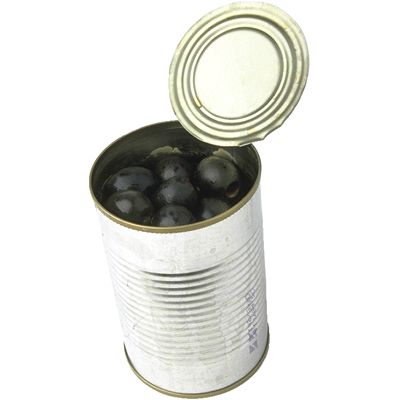
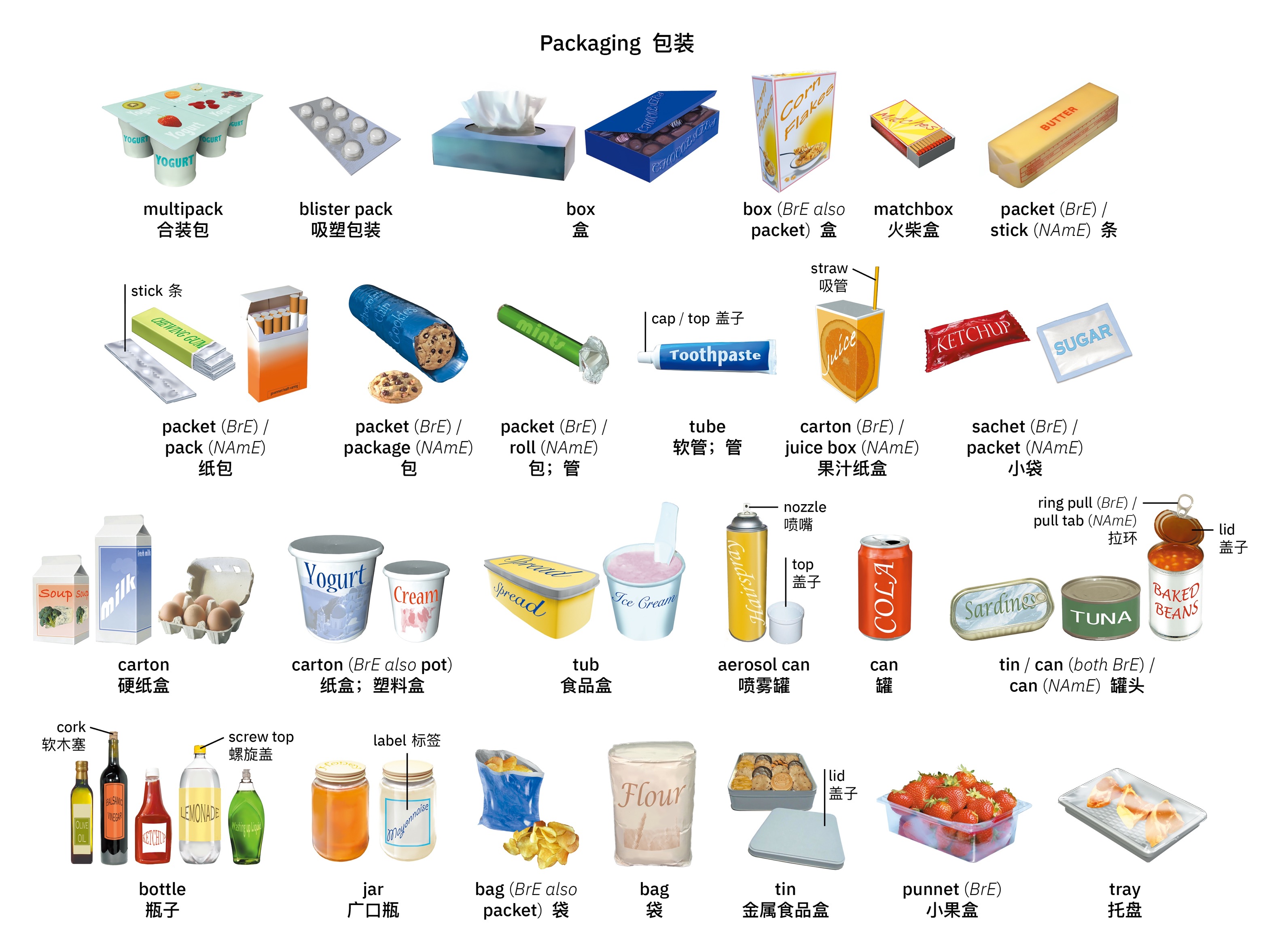
1. a metal container in which food or drink is preserved without air:
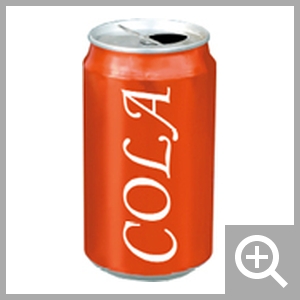
a Coke can
can of
All we’ve got is a couple of cans of soup.
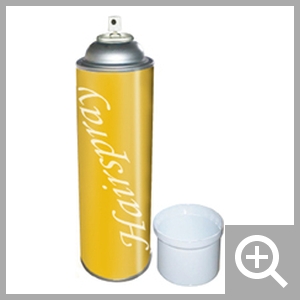
2. a special metal container that keeps the liquid inside it under pressure. The liquid is released as a spray when you press the button
can of
a can of hairspray
3. especially American English a metal container with a lid that can be removed, used for holding liquid:
Two large cans of paint ought to be enough.
4. can of worms a very complicated situation that causes a lot of problems when you start to deal with it:
I just don’t know what to do – every solution I can think of would just open up a whole new can of worms.
5. in the can informal a film that is in the can is complete and ready to be shown
6. the can informal
a. a prison
b. American English a toilet
⇨ carry the can at carry1(26)
can3 verb (past tense and past participle canned, present participle canning) [transitive] American English
1. to preserve food by putting it into a metal container from which all the air is removed
SYN tin British English ⇨ canned
2. informal to dismiss someone from a job
SYN sack
3. can it! spoken used to tell someone to stop talking or making a noise
| I |
modal verb (negative short form can’t) Language: Old English
Origin: cunnan
1. ABILITY to be able to do something or to know how to do something:Origin: cunnan
2. REQUESTING spoken used to ask someone to do something or give you something:
3. ALLOWED to be allowed to do something or to have the right or power to do something:
4. POSSIBILITY used to say that something is possible:
5. SEEING/HEARING ETC used with the verbs ‘see’, ‘hear’, ‘feel’, ‘taste’, and ‘smell’, and with verbs connected with thinking, to mean that someone sees something, hears something etc:
6. NOT TRUE [in negatives] used to say that you do not believe that something is true:
7. SHOULD NOT [in questions and negatives] used to say that someone should not or must not do something:
8. SURPRISE/ANGER [usually in questions and negatives] spoken used when you are surprised or angry:
9. SOMETIMES used to say what sometimes happens or how someone sometimes behaves:
10. GIVING ORDERS spoken used to tell someone in an angry way to do something:
11. no can do spoken used to say that it is impossible for you to do what someone has asked you to do:
| THESAURUS |
▪
▪
▪
▪
▪
▪
■ to be unable to do something
▪
▪
▪
▪
▪
| II |
noun [countable] Language: Old English
Origin: canne
Origin: canne
1. a metal container in which food or drink is preserved without air:
can of
2. a special metal container that keeps the liquid inside it under pressure. The liquid is released as a spray when you press the button
can of
3. especially American English a metal container with a lid that can be removed, used for holding liquid:
4. can of worms a very complicated situation that causes a lot of problems when you start to deal with it:
5. in the can informal a film that is in the can is complete and ready to be shown
6. the can informal
a. a prison
b. American English a toilet
⇨ carry the can at carry1(26)
| III |
verb (past tense and past participle canned, present participle canning) [transitive] American English1. to preserve food by putting it into a metal container from which all the air is removed
SYN tin British English ⇨ canned
2. informal to dismiss someone from a job
SYN sack
3. can it! spoken used to tell someone to stop talking or making a noise
Can is used to say that somebody knows how to do something.* can 表示懂得做 :◆ Can you play the piano? 你会弹钢琴吗? It is also used with verbs of seeing, noticing, etc. 该词亦与表示看见、注意到等的动词连用 :◆ I can hear someone calling. 我听见有人在呼叫。 and with passive infinitives. 并与不定式的被动形式连用 :◆ The podcast can be downloaded here. 播客可在此下载。 Can orbe able to are used to say that something is possible or that somebody has the opportunity to do something.* can 或 be able to 表示某事情有可能或某人有机会做某事 :◆ Can you/are you able to come on Saturday? 你星期六能来吗? You use be able to to form the future and perfect tenses and the infinitive.用 be able to 构成将来时、完成时和动词不定式 :◆ You'll be able to get a taxi outside the station. 在车站外可搭乘出租车。 ◆ I haven't been able to get much work done today. 我今天未能干多少工作。 ◆ She'd love to be able to play the piano. 她很希望能弹钢琴。 Could is used to talk about what someone was generally able to do in the past.* could 表示过去通常能做 :◆ Our daughter could walk when she was nine months old. 我们的女儿九个月大就会走路了。 You use was/were able to ormanage (but notcould ) when you are saying that something was possible on a particular occasion in the past.关于在过去特定情况下可能的事用 was/were able to 或 manage,但不用 could :◆ I was able to/managed to find some useful books in the library. 我总算在图书馆找到了一些有用的书。 ◆ I could find some useful books in the library. In negative sentences, could not can also be used.否定句也可用 could not :◆ We weren't able to/didn't manage to/couldn't get there in time. 我们未能及时赶到那儿。 Could is also used with this meaning with verbs of seeing, noticing, understanding, etc.亦可用 could 加表示看见、注意到、明白等的动词表示此义 :◆ I could see there was something wrong. 我发觉出事了。 Could have is used when you are saying that it was possible for somebody to do something in the past but they did not try.表示过去有可能做某事但没有做,用 could have :◆ I could have won the game but decided to let her win. 我本可以赢得那场比赛,但还是决定让她赢了。
Can andcannot (orcan't ) are the most common words used for asking for, giving or refusing permission.* can 和 cannot(或 can't)是表示请求、给予或拒绝许可的最通用词 :◆ Can I borrow your calculator? 我可以借用你的计算器吗? ◆ You can come with us if you want to. 如果你愿意可以跟我们一起来。 ◆ You can't park your car there. 你不能在那儿停车。 May (negativemay not ) is used as a polite and fairly formal way to ask for or give permission.* may(否定式 may not)用以表示礼貌的正式请求或给予许可 :◆ May I borrow your newspaper? 把你的报纸借我看行吗? ◆ You may come if you wish. 你想来的话可以来。 It is often used in official signs and rules. 该词常用于正式标志和规定 :◆ Visitors may use the swimming pool between 7 a.m. and 7 p.m. 访客从早 7:00 到晚 7:00 可在游泳池游泳。 ◆ Students may not use the college car park. 学生不得在学院停车场停车。 The form mayn't is hardly ever used in modern English.现代英语几乎不用 mayn't。
The modal verbs arecan ,could ,may ,might ,must ,ought to ,shall ,should ,will andwould .Dare ,need ,have to andused to also share some of the features of modal verbs.* can、could、may、might、must、ought to、shall、should、will 和 would 均为情态动词。dare、need、have to 和 used to 亦具有情态动词的某些特性。 Modal verbs have only one form. They have no -ing or-ed forms and do not add-s to the 3rd person singular form.情态动词只有一种形式,没有 -ing 或 -ed 形式,第三人称单数也不加 -s :◆ He can speak three languages. 他会说三种语言。 ◆ She will try and visit tomorrow. 她明天将设法去参观。 Modal verbs are followed by the infinitive of another verb without to . The exceptions areought to ,have to andused to .情态动词后跟不带 to 的动词不定式,但 ought to、have to 和 used to 例外 :◆ You must find a job. 你必须找到一份工作。 ◆ You ought to stop smoking. 你应当戒烟。 ◆ I used to smoke but I gave up two years ago. 我过去抽烟,但两年前就戒了。 Questions are formed without do /does in the present, ordid in the past.疑问句现在时不用 do/does,过去时不用 did :◆ Can I invite Mary? 我可以邀请玛丽吗? ◆ Should I have invited Mary? 我本该邀请玛丽吗? Negative sentences are formed with not or the short form-n't and do not usedo /does ordid .否定句用 not 或简约式 -n't,不用 do/does 或 did。

also
especially