carrion
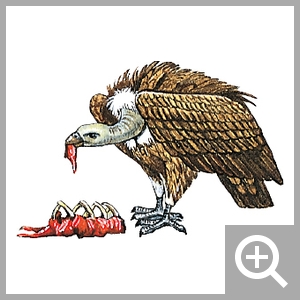
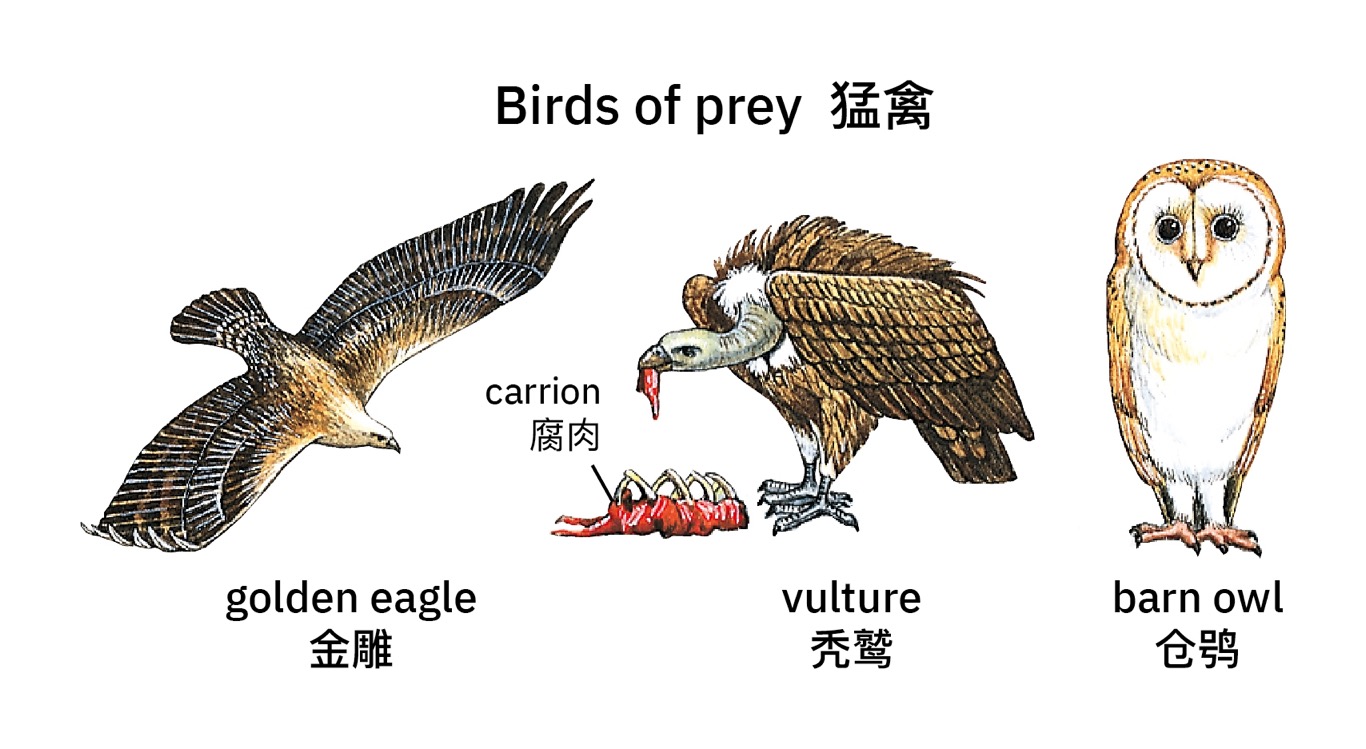
Longman Dictionary of Contemporary English 5++LDOCE 5++car·ri·on /ˈkæriən/ noun [uncountable] DEADthe decaying flesh of dead animals, which is eaten by some animals and birds 〔动物的〕腐尸;腐肉
Examples from the Corpus
carrion• Most of its prey are ducks and seabirds, fish and carrion.• Humans don't necessarily get sick from eating carrion.• The black birds struggled out, a thousand of them, bright-beaked, anxious to find carrion.• Huge carrion birds gorged on the flesh.• From a distance, their posture on a ridge is that of a crow on carrion.• Unlike most other fabled beasts it preferred to scavenge carrion from the forest floor rather than kill for fresh meat.Origin carrion (1200-1300) Anglo-French caroine, from Vulgar Latin caronia, from Latin caro; → CARNALcar·ri·on nounChineseSyllable
animals, Corpus which of decaying the flesh is dead
carrion
car‧ri‧on /ˈkæriən/
 noun [uncountable]
car‧ri‧on /ˈkæriən/
noun [uncountable] Date: 1200-1300
Language: Anglo-French
Origin: caroine, from Vulgar Latin caronia, from Latin caro; ⇨ carnal
the decaying flesh of dead animals, which is eaten by some animals and birds
Language: Anglo-French
Origin: caroine, from Vulgar Latin caronia, from Latin caro; ⇨ carnal