cloister
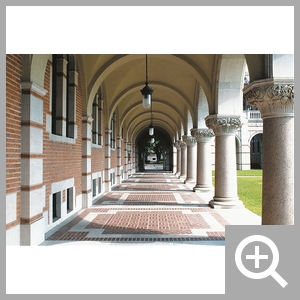
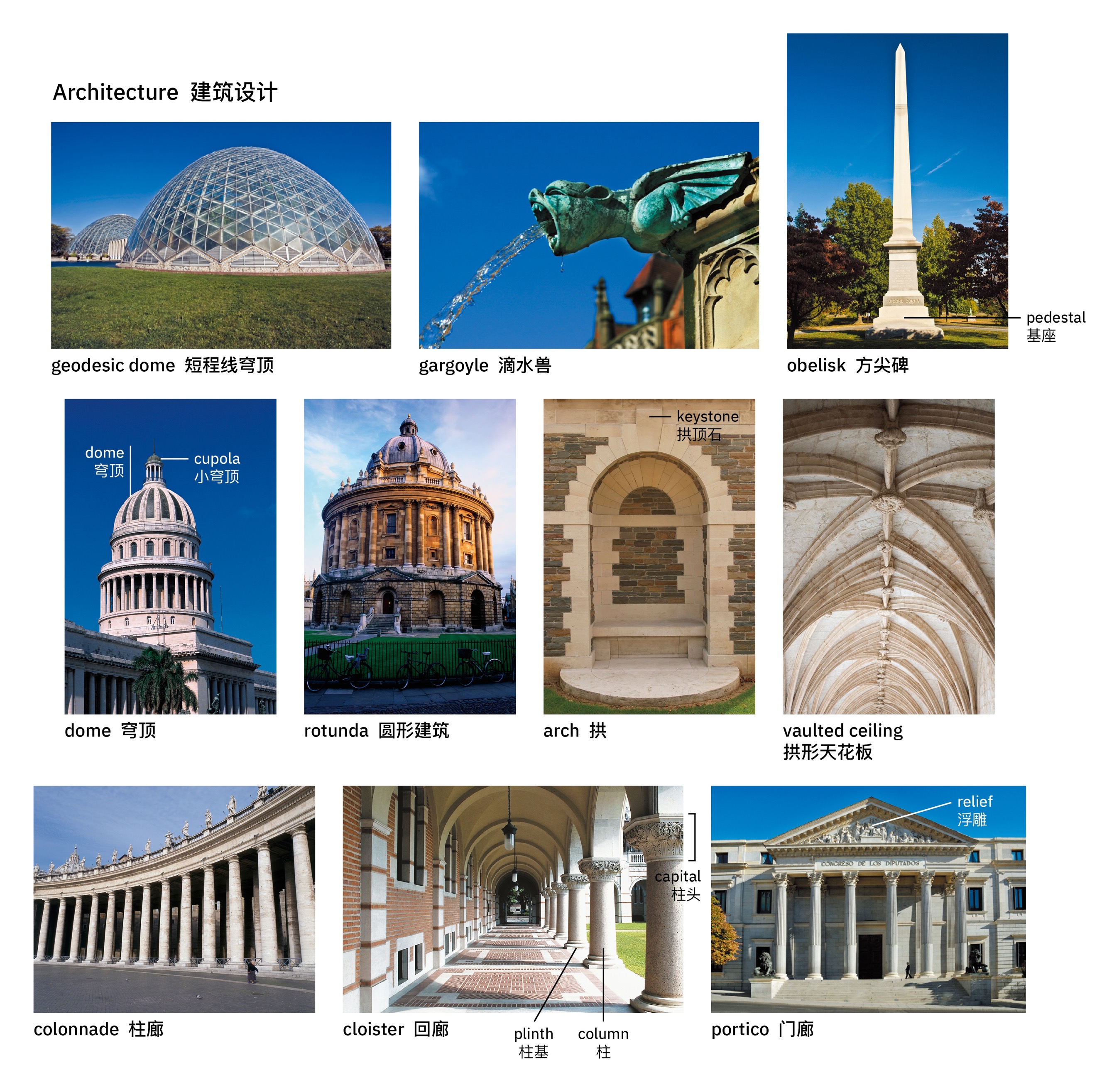
Longman Dictionary of Contemporary English 5++LDOCE 5++clois·ter /ˈklɔɪstə $ -ər/ noun [countable] 1. [usually plural]TBB a covered passage that surrounds one side of a square garden in a church, monastery etc 〔教堂、修道院等花园一侧的〕回廊2. RRCa building where monks or nuns live 修道院
Examples from the Corpus
cloister• Courtyards and cloisters are pools of shadow and lamp-light.• St. Francis of Assisi originally founded the cloister which now encloses a garden and well.• We left the guest house, going through stone-vaulted passageways into the cloister garth.• At No. 4/183 were the cloisters and church of the Czech Barnabite Order, founded in 1626.• The cloisters are equally fine and on the north side date from 1170 like the portal.• The cloisters are fine and have varied and original carved columns and capitals.• Thrusting spires, softened by time; vaulted cloisters floored with cobbles trod thin by genius.Origin cloister (1200-1300) Old French cloistre, from Latin claustrum “bar keeping a door closed”, from claudere “to close”clois·ter nounChineseSyllable
a side a of covered passage Corpus one surrounds that square
cloister
clois‧ter /ˈklɔɪstə $ -ər/
 noun [countable]
2. a building where monks or nuns live
clois‧ter /ˈklɔɪstə $ -ər/
noun [countable] Date: 1200-1300
Language: Old French
Origin: cloistre, from Latin claustrum 'bar keeping a door closed', from claudere 'to close'
1. [usually plural] a covered passage that surrounds one side of a square garden in a church, monastery etcLanguage: Old French
Origin: cloistre, from Latin claustrum 'bar keeping a door closed', from claudere 'to close'
2. a building where monks or nuns live