coin
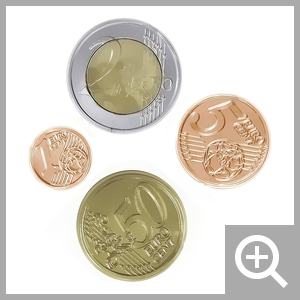
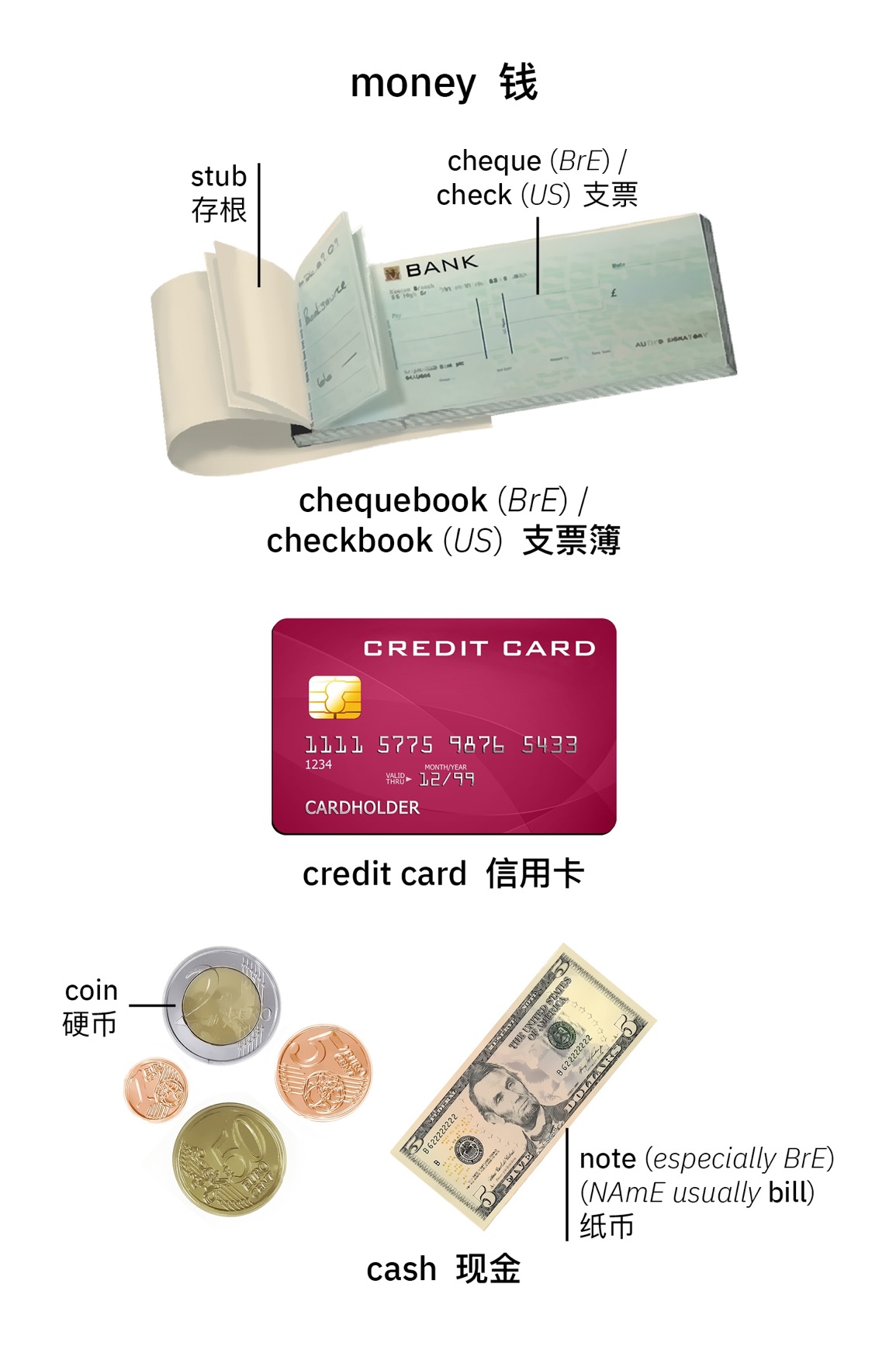
Longman Dictionary of Contemporary English 5++LDOCE 5++coin1 /kɔɪn/ ●●● S3 noun 1.  [countable]MONEY a piece of metal, usually flat and round, that is used as money 硬币 → bill, note► see thesaurus at money2 toss/flip a coin DECIDEto choose or decide something by throwing a coin into the air and guessing which side of it will show when it falls 抛硬币作选择[决定] Toss a coin to see who goes first. 抛硬币决定谁先来。3 the other/opposite side of the coin OPPOSITE/REVERSEa different or opposite way of thinking about something 事情的另一面 Making the rules is only part of it. How the rules are carried out is the other side of the coin. 制定规定只是一方面,如何执行规定又是另一方面。4 two sides of the same coin CONNECTED WITHtwo problems or situations that are so closely connected that they are really just two parts of the same thing 同一事情密切相关的两个方面 Great opportunity and great danger are two sides of the same coin. 好机会和高风险是密切相关的。5. [uncountable]MONEY money in the form of metal coins 硬币,钱币
[countable]MONEY a piece of metal, usually flat and round, that is used as money 硬币 → bill, note► see thesaurus at money2 toss/flip a coin DECIDEto choose or decide something by throwing a coin into the air and guessing which side of it will show when it falls 抛硬币作选择[决定] Toss a coin to see who goes first. 抛硬币决定谁先来。3 the other/opposite side of the coin OPPOSITE/REVERSEa different or opposite way of thinking about something 事情的另一面 Making the rules is only part of it. How the rules are carried out is the other side of the coin. 制定规定只是一方面,如何执行规定又是另一方面。4 two sides of the same coin CONNECTED WITHtwo problems or situations that are so closely connected that they are really just two parts of the same thing 同一事情密切相关的两个方面 Great opportunity and great danger are two sides of the same coin. 好机会和高风险是密切相关的。5. [uncountable]MONEY money in the form of metal coins 硬币,钱币Examples from the Corpus
coin• The word "yuppie" is a coinage of the 1960s which found a new fame in the 1980s.• The depictions on paper money and coins reinforce national icons and symbols.• At the last moment the U.K. managed to push through an optional exemption of archaeological goods such as coins.• The range of denominations A second way of looking at coins is to examine the denominations in which they were made.• I used to collect coins when I was a kid.• A couple of coins landed on the frosty road.• Impressed by their studiousness, we carefully counted out some coins, making sure each boy got the same amount.• The driver counts the coins into his tin.coin2 verb [transitive] 1 INVENTto invent a new word or expression, especially one that many people start to use 创造,杜撰〔新词或短语〕 The word ‘aromatherapy’ was coined in the 1920s. (芳香疗法)这个词是在20世纪20年代创造出来的。2 to coin a phrase spokenUSE something said in a joking way when you use a very common expression, to show that you know it is used a lot 套句老话说,常言说得好 He’d thought the flight would never – to coin a phrase – get off the ground. 他以为这趟航班是永远也不会——套句老话说——离地起飞了。3 coin money/coin it (in) EARN British English informal to earn a lot of money very quickly 大发其财,暴富 BT at its profitable peak was coining it at the rate of £90 a second. 英国电信公司在赢利高峰时以每秒90英镑的速度赚大钱。4. PECto make pieces of money from metal 铸〔币〕→ See Verb tableExamples from the Corpus
coin• And the newcomers never stopped coining.• He was going to have fun if it killed him, to coin a phrase.• But in later years I heard it called the Perilous Chair, and I think the name was coined after that day.• The term "black hole" was coined in 1969 by the American scientist John Wheeler.• I coined it but my good friend Will Shakespeare seized it for himself.• In a school gymnasium full of caucus-goers in Des Moines, Dole inadvertently coined the best phrase of this perplexing campaign.• A Polish refugee coined the term "genocide" to describe attempts to kill an entire group of people.• Freed was the disk jockey who coined the term "rock 'n' roll."From Longman Business Dictionarycoincoin1 /kɔɪn/ noun1[countable] a piece of metal, usually flat and round, that is used as moneySince the introduction of the £1 coin, the smallest English note is £5.2[uncountable] money in the form of metal coinsThey found £1,000 in coin.coincoin2 verb [transitive]1to make pieces of money from metal2British English informal coin money/coin it in to earn a lot of money very quicklyTop footballers have been coining it in for years.→ See Verb tableOrigin coin1 (1300-1400) Old French “three-sided piece, corner”, from Latin cuneus; → CUNEIFORMcoin1 nouncoin2 verbChinese
metal, piece round, Corpus a flat usually of Business that and
coin
coin1 S3 /kɔɪn/ 
 noun
noun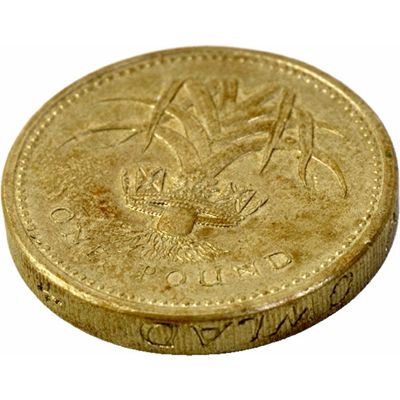
1. [countable] a piece of metal, usually flat and round, that is used as money ⇨ bill, note
2. toss/flip a coin to choose or decide something by throwing a coin into the air and guessing which side of it will show when it falls:

Toss a coin to see who goes first.
3. the other/opposite side of the coin a different or opposite way of thinking about something:
Making the rules is only part of it. How the rules are carried out is the other side of the coin.
4. two sides of the same coin two problems or situations that are so closely connected that they are really just two parts of the same thing:
Great opportunity and great danger are two sides of the same coin.
5. [uncountable] money in the form of metal coins
▪ money what you use to buy things, in the form of notes or coins: He spent all his money on computer equipment.
▪cash money in the form of coins and notes: I didn’t have any cash with me.
▪currency the money used in a particular country: The dollar gained in value against other currencies. | a single European currency
▪change money in the form of coins of low value: Do you have any small change? | a pocketful of loose change
▪note British English, bill American English a piece of paper money: a £20 note | a $5 bill
▪coin a flat round piece of metal used as money: She put some coins in the parking meter. | He took a coin out of his pocket.
▪a ten-pence/50-cent etc piece a coin worth a particular amount
coin2 verb [transitive]
1. to invent a new word or expression, especially one that many people start to use:
The word ‘aromatherapy’ was coined in the 1920s.
2. to coin a phrase spoken said in a joking way when you use a very common expression, to show that you know it is used a lot:
He’d thought the flight would never – to coin a phrase – get off the ground.
3. coin money/coin it (in) British English informal to earn a lot of money very quickly:
BT at its profitable peak was coining it at the rate of £90 a second.
4. to make pieces of money from metal
| I |
noun Date: 1300-1400
Language: Old French
Origin: 'three-sided piece, corner', from Latin cuneus; ⇨ cuneiform
Language: Old French
Origin: 'three-sided piece, corner', from Latin cuneus; ⇨ cuneiform
1. [countable] a piece of metal, usually flat and round, that is used as money ⇨ bill, note
2. toss/flip a coin to choose or decide something by throwing a coin into the air and guessing which side of it will show when it falls:
3. the other/opposite side of the coin a different or opposite way of thinking about something:
4. two sides of the same coin two problems or situations that are so closely connected that they are really just two parts of the same thing:
5. [uncountable] money in the form of metal coins
| THESAURUS |
▪
▪
▪
▪
▪
▪
| II |
verb [transitive]1. to invent a new word or expression, especially one that many people start to use:
2. to coin a phrase spoken said in a joking way when you use a very common expression, to show that you know it is used a lot:
3. coin money/coin it (in) British English informal to earn a lot of money very quickly:
4. to make pieces of money from metal