computer
Word family
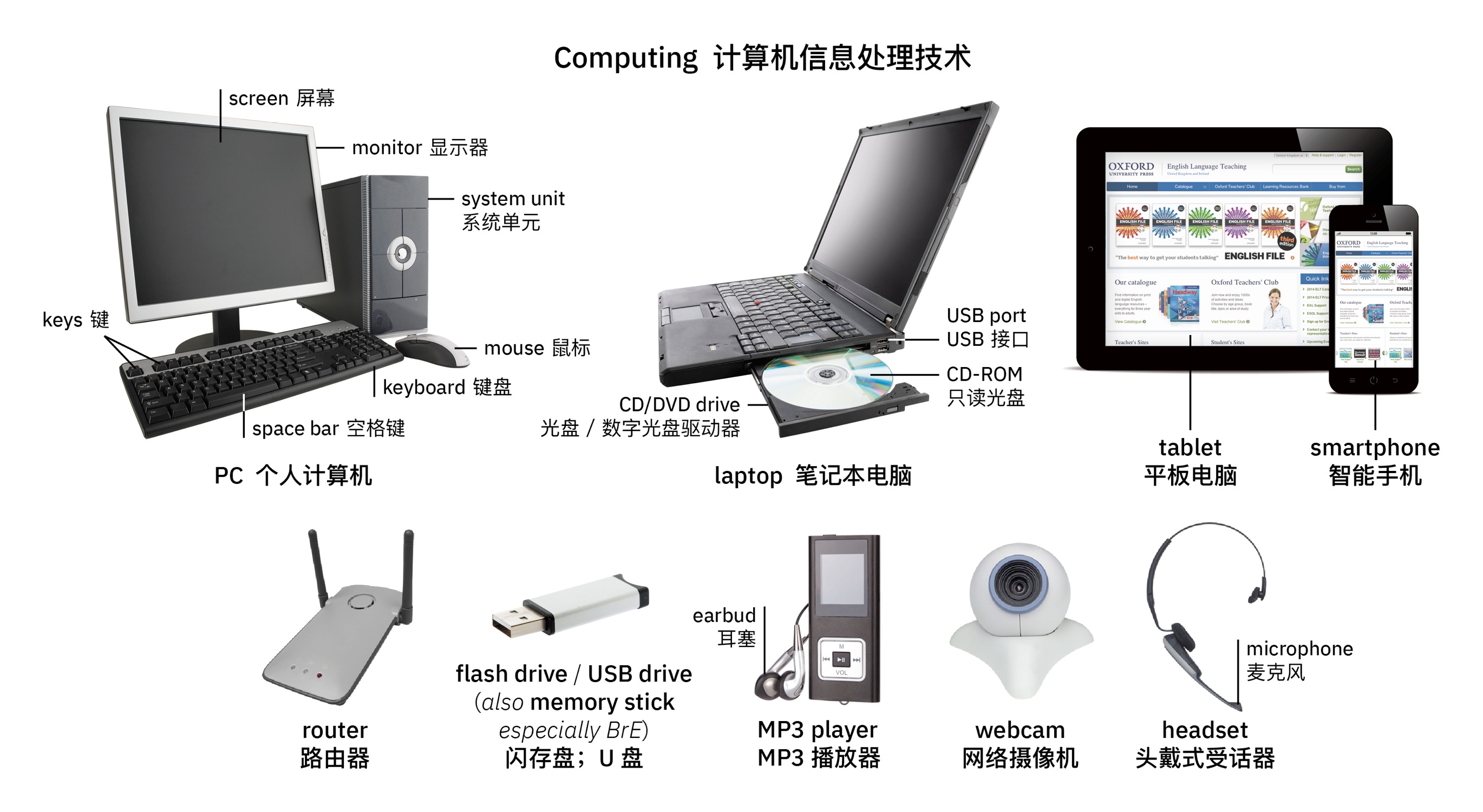
Longman Dictionary of Contemporary English 5++LDOCE 5++com·put·er /kəmˈpjuːtə $ -ər/ ●●● S1 W1 AWL noun [countable]  TDan electronic machine that stores information and uses programs to help you find, organize, or change the information 计算机,电脑 a huge global computer network 巨大的全球计算机网络 the latest computer software 最新的计算机软件on computer The information is stored on computer. 信息储存在电脑里。by computer Shoppers can send in their orders by computer and pick up their goods later. 购物者可以通过电脑提交订单,稍后再提货。 →4 See picture on 见图 Page A8 In the office 办公室里 →5 see picture at 见图 technology COLLOCATIONSverbsuse a computer 使用计算机Most people do jobs in which they have to use a computer. 大多数人都从事需要使用计算机的工作。log onto a computer (=start using it by typing a password) 登录[登入]计算机Next time you log onto your computer, you will have to use a new password. 你下次登录计算机的时候,必须使用新密码。nlog off a computer (=stop using a computer system that requires a password)switch a computer on/off 开计算机/关计算机nAlways switch off your computer at the end of the day.start up/boot up a computer (=make it start working) 启动计算机shut down a computer (=close the programs and stop it working) 关闭计算机restart/reboot a computer (=make it start working again) 重新启动计算机nThe problem sometimes disappears if I restart my computer.program a computer (=give it instructions so that it will do a particular job) 给计算机编程hold/store something on a computer 把…存入计算机nThis data is all held on a central computer.a computer starts up/boots up 计算机启动nMy computer takes ages to start up in the morning.a computer crashes (=suddenly stops working) 计算机死机a computer is down (=is not working) 计算机停机na computer is up (=is working again after stopping working)software/a program runs on a computer 软件/程序在计算机上运行nYou’ll need the appropriate software running on your computer.computer + NOUNa computer system 计算机系统Our office is installing a new computer system. 我们办公室正在安装一个新的计算机系统。a computer screen/monitor 计算机屏幕/显示器Make sure your computer screen is at the right height. 确保计算机屏幕高度合适。a computer keyboard 计算机键盘nThe computer keyboard is shaped to put less strain on your wrists.a computer network (=a set of computers connected to each other) 计算机网络nA virus had infected the entire computer network.a computer program (=a set of instructions stored inside a computer) 计算机程序nAt school, we’re learning how to write simple computer programs.computer software (=computer programs) 计算机软件nMicrosoft Corp is the world’s largest maker of personal computer software.computer hardware/equipment (=machines and equipment, not programs) 计算机硬件/设备na shop that sells computer equipmenta computer game 计算机游戏nKids love playing computer games.computer graphics (=images created by computers) 计算机图像nThere’s a massive market for high-speed computer graphics.computer technology 计算机技术nthe rapid progress in computer technologycomputer science (=the study of computers and what they can do) 计算机科学nthe computer industryYou can make a lot of money in the computer industry.na computer companyHe runs his own computer company.a computer user 计算机用户nTechnology now allows computer users to talk to each other over the Internet.a computer programmer (=someone who writes the instructions a computer uses to do a particular job) 计算机编程员na computer expertYou don’t need to be a computer expert to use the programme.na computer hacker (=someone who tries to break into a computer system)na computer language (=a system of instructions used to program a computer)ncomputer dataCD ROMs store computer data.a computer virus (=a program that secretly destroys information stored on computers) 计算机病毒nComputer viruses do a lot of damage every single day.a computer error 计算机故障nThe mistake was caused by a computer error.n THESAURUSActions when using a computerstart up/boot up to make a computer start workingI’m having problems starting up my computer.log on/in to start using a computer system by typing your name and passwordHe logged on and read his emails.click on something to press a button on a computer mouse to choose a program, file etc from the screenWhen you click on the link, it sends you to the company’s website.install to add new software to a computer so that the software is ready to be usedAll users should install anti-virus software.download to move information, pictures, or music from the Internet onto your computerYou can download MP3 files.upload to move information, pictures, or music from your computer to a different computer across the InternetSites such as YouTube allow you to upload your own videos.open to make a file or program ready to useOpen a new file and type in the information.scroll up/down to move information on a computer screen up or down so that you can read itScroll down to read the questions and answers.enter to type information into a computerThe program requires you to enter a password.delete to remove information from a computerI’ve deleted his email.When you delete a file, it first gets moved to the recycle bin.cut and paste to remove information from one place and put it in another placeTutors are looking out for students who cut and paste their essays from the Internet.save to make a computer keep the work that you have done on itMake sure you save any work you do before you shut the computer down.close to stop having a file or program ready to useTo close the window, click on the ‘X’ in the top right-hand corner of the screen.log off/out to stop using a computer system by giving it particular instructionsI get an error message when I log off.shut down to make a computer stop workingEmployees should shut their computers down at the end of each day.restart/reboot to make a computer start working againWait a few minutes before rebooting your computer.
Examples from the Corpus
computer• computer software• There is no doubt that quick recall of number facts is still an advantage even in the era of calculators and computers.• It is important that all children become computer literate while they are in school.• The information from the survey is being processed by computer.• Complex computer graphics were used to create the film's special effects.• Our office has switched to a different computer system.• Arnie may not win many Oscars, but the big guy's action-packed movies sure make great computer games.• I can't get the program to work on my computer.• Economies of scale and the use of computers were expected to reduce administrative costs.• Many kids spend more time playing computer games than watching TV.• The Internet is larger and has more types of server computers dishing out information.• Just above the milometer was a small computer screen, and Jack guessed that she would find that pretty disconcerting.• I played with a few of the new titles, with lots of technical assistance from some computer literati.• A specification for the computer system which will satisfy the user's requirements begins to evolve.• How long are you going to be on the computer? I need to type something.on computer• Dr. Fonseca's office now keeps all the patients' details on computer.From Longman Business Dictionarycomputercom‧put‧er /kəmˈpjuːtə-ər/ noun [countable, uncountable]COMPUTING an electronic machine that can do calculations very quickly, store information or documents, or do tasks according to a set of instructions called a programWe store all our clients’ details on computer.The winner is chosen by computer.The popularity of the Internet is bringing a massive rise in computer literacy (=when people understand computers and know how to work with them). → fifth generation computer → home computer → host computer → mainframe computer → personal computer → see also laptop, microcomputer, minicomputer, palmtop, supercomputercom·put·er noun →COLLOCATIONS1 →n THESAURUS1LDOCE OnlineChineseSyllable
stores an and machine Corpus information that electronic uses Business
computer
com‧put‧er S1 W1 AC /kəmˈpjuːtə $ -ər/
 noun [countable]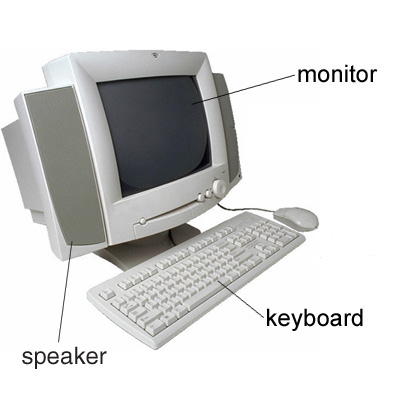
an electronic machine that stores information and uses programs to help you find, organize, or change the information:

a huge global computer network
the latest computer software
on computer
The information is stored on computer.
by computer
Shoppers can send in their orders by computer and pick up their goods later.
■ verbs
▪use a computer Most people do jobs in which they have to use a computer.
▪log onto a computer (=start using it by typing a password) Next time you log onto your computer, you will have to use a new password.
▪log off a computer (=stop using a computer system that requires a password)
▪switch a computer on/off Always switch off your computer at the end of the day.
▪start up/boot up a computer (=make it start working)
▪shut down a computer (=close the programs and stop it working)
▪restart/reboot a computer (=make it start working again) The problem sometimes disappears if I restart my computer.
▪program a computer (=give it instructions so that it will do a particular job)
▪hold/store something on a computer This data is all held on a central computer.
▪a computer starts up/boots up My computer takes ages to start up in the morning.
▪a computer crashes (=suddenly stops working)
▪a computer is down (=is not working)
▪a computer is up (=is working again after stopping working)
▪software/a program runs on a computer You’ll need the appropriate software running on your computer.
■ computer + NOUN
▪a computer system Our office is installing a new computer system.
▪a computer screen/monitor Make sure your computer screen is at the right height.
▪a computer keyboard The computer keyboard is shaped to put less strain on your wrists.
▪a computer network (=a set of computers connected to each other) A virus had infected the entire computer network.
▪a computer program (=a set of instructions stored inside a computer) At school, we’re learning how to write simple computer programs.
▪computer software (=computer programs) Microsoft Corp is the world’s largest maker of personal computer software.
▪computer hardware/equipment (=machines and equipment, not programs) a shop that sells computer equipment
▪a computer game Kids love playing computer games.
▪computer graphics (=images created by computers) There’s a massive market for high-speed computer graphics.
▪computer technology the rapid progress in computer technology
▪computer science (=the study of computers and what they can do)
▪the computer industry You can make a lot of money in the computer industry.
▪a computer company He runs his own computer company.
▪a computer user Technology now allows computer users to talk to each other over the Internet.
▪a computer programmer (=someone who writes the instructions a computer uses to do a particular job)
▪a computer expert You don’t need to be a computer expert to use the programme.
▪a computer hacker (=someone who tries to break into a computer system)
▪a computer language (=a system of instructions used to program a computer)
▪computer data CD ROMs store computer data.
▪a computer virus (=a program that secretly destroys information stored on computers) Computer viruses do a lot of damage every single day.
▪a computer error The mistake was caused by a computer error.
■ Actions when using a computer
▪start up/boot up to make a computer start working: I’m having problems starting up my computer.
▪log on/in to start using a computer system by typing your name and password: He logged on and read his emails.
▪click on something to press a button on a computer mouse to choose a program, file etc from the screen: When you click on the link, it sends you to the company’s website.
▪install to add new software to a computer so that the software is ready to be used: All users should install anti-virus software.
▪download to move information, pictures, or music from the Internet onto your computer: You can download MP3 files.
▪upload to move information, pictures, or music from your computer to a different computer across the Internet: Sites such as YouTube allow you to upload your own videos.
▪open to make a file or program ready to use: Open a new file and type in the information.
▪scroll up/down to move information on a computer screen up or down so that you can read it: Scroll down to read the questions and answers.
▪enter to type information into a computer: The program requires you to enter a password.
▪delete to remove information from a computer: I’ve deleted his email. | When you delete a file, it first gets moved to the recycle bin.
▪cut and paste to remove information from one place and put it in another place: Tutors are looking out for students who cut and paste their essays from the Internet.
▪save to make a computer keep the work that you have done on it: Make sure you save any work you do before you shut the computer down.
▪close to stop having a file or program ready to use: To close the window, click on the ‘X’ in the top right-hand corner of the screen.
▪log off/out to stop using a computer system by giving it particular instructions: I get an error message when I log off.
▪shut down to make a computer stop working: Employees should shut their computers down at the end of each day.
▪restart/reboot to make a computer start working again: Wait a few minutes before rebooting your computer.
com‧put‧er S1 W1 AC /kəmˈpjuːtə $ -ər/
noun [countable]an electronic machine that stores information and uses programs to help you find, organize, or change the information:
on computer
by computer
| COLLOCATIONS |
▪
▪
▪
▪
▪
▪
▪
▪
▪
▪
▪
▪
▪
▪
■ computer + NOUN
▪
▪
▪
▪
▪
▪
▪
▪
▪
▪
▪
▪
▪
▪
▪
▪
▪
▪
▪
▪
▪
| THESAURUS |
▪
▪
▪
▪
▪
▪
▪
▪
▪
▪
▪
▪
▪
▪
▪
▪