copse
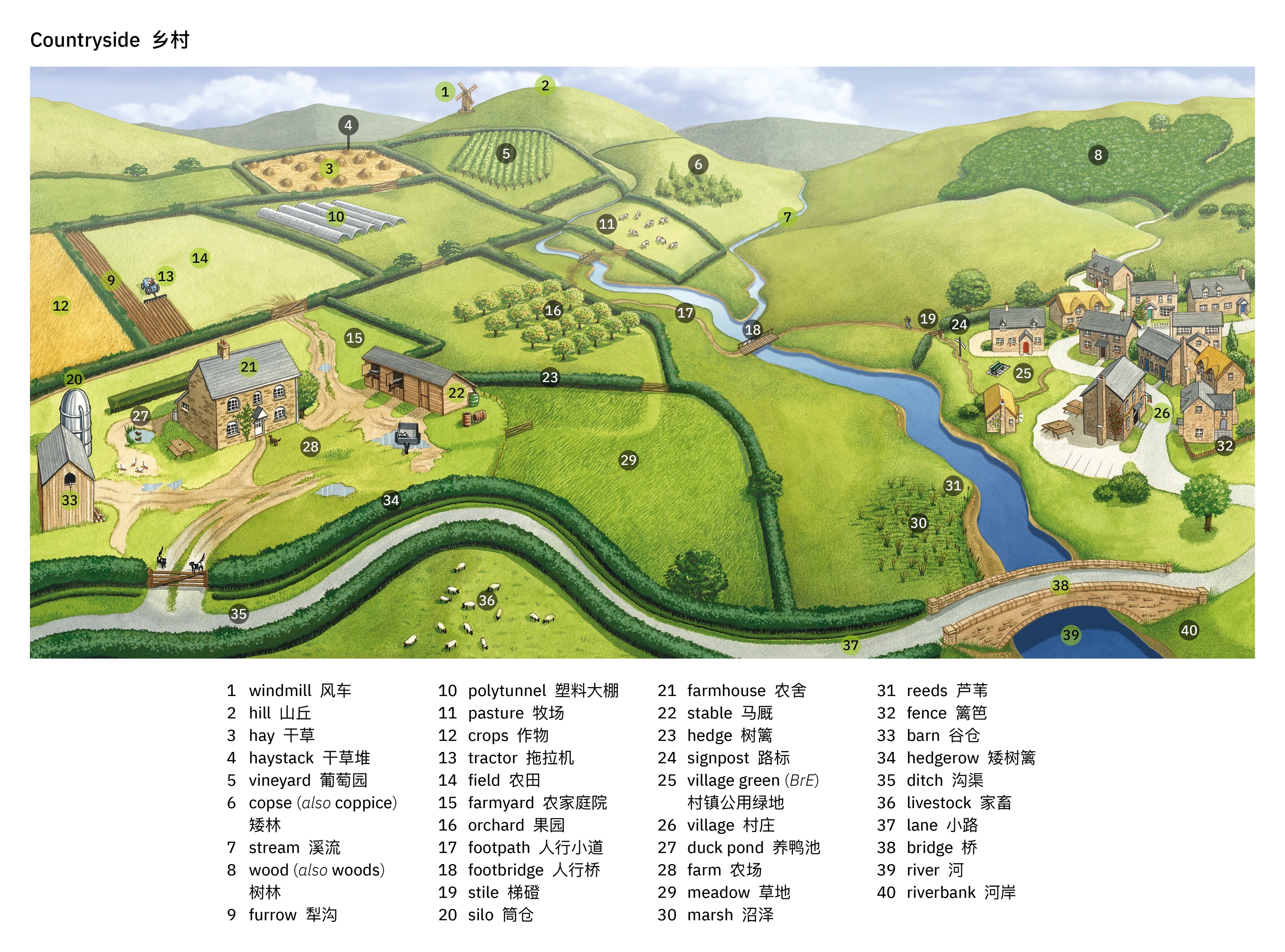
Longman Dictionary of Contemporary English 5++LDOCE 5++copse /kɒps $ kɑːps/ (also coppice) noun [countable] DNa group of trees or bushes growing close together 矮树丛,灌木丛,小树林► see thesaurus at forest
Examples from the Corpus
copse• Some faces shone white in the moonlight that was coming up behind a copse.• Bear left, across the field to a gate in the opposite left hand corner by a copse.• They were in the fifth field near a copse of native trees when the incident occurred.• Thus elm trees clone themselves to form entire copses, and we cloned Dolly from cultured mammary gland cells.• The keen environmentalist, whose tour stopped off at Middlesbrough last week, visited a rejuvenated copse in Southwood, Coulby Newham.• Below the copse a track was bordered with grassland rich in flowering plants.• They passed the copse and the lights of a large Elizabethan house came into view.Origin copse (1500-1600) coppice “copse” ((14-21 centuries)), from Old French copeiz, from couper “to cut” ( → COPE1); because a copse is formed by regular cuttingcopse nounChinese
group trees or bushes Corpus growing of a
copse
copse /kɒps $ kɑːps/
 (also coppice) noun [countable]
copse /kɒps $ kɑːps/
(also coppice) noun [countable] Date: 1500-1600
Origin: coppice 'copse' (14-21 centuries), from Old French copeiz, from couper 'to cut' ( ⇨ cope1); because a copse is formed by regular cutting
a group of trees or bushes growing close together
Origin: coppice 'copse' (14-21 centuries), from Old French copeiz, from couper 'to cut' ( ⇨ cope1); because a copse is formed by regular cutting