cumin
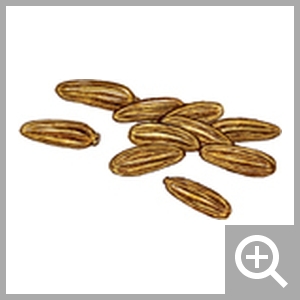
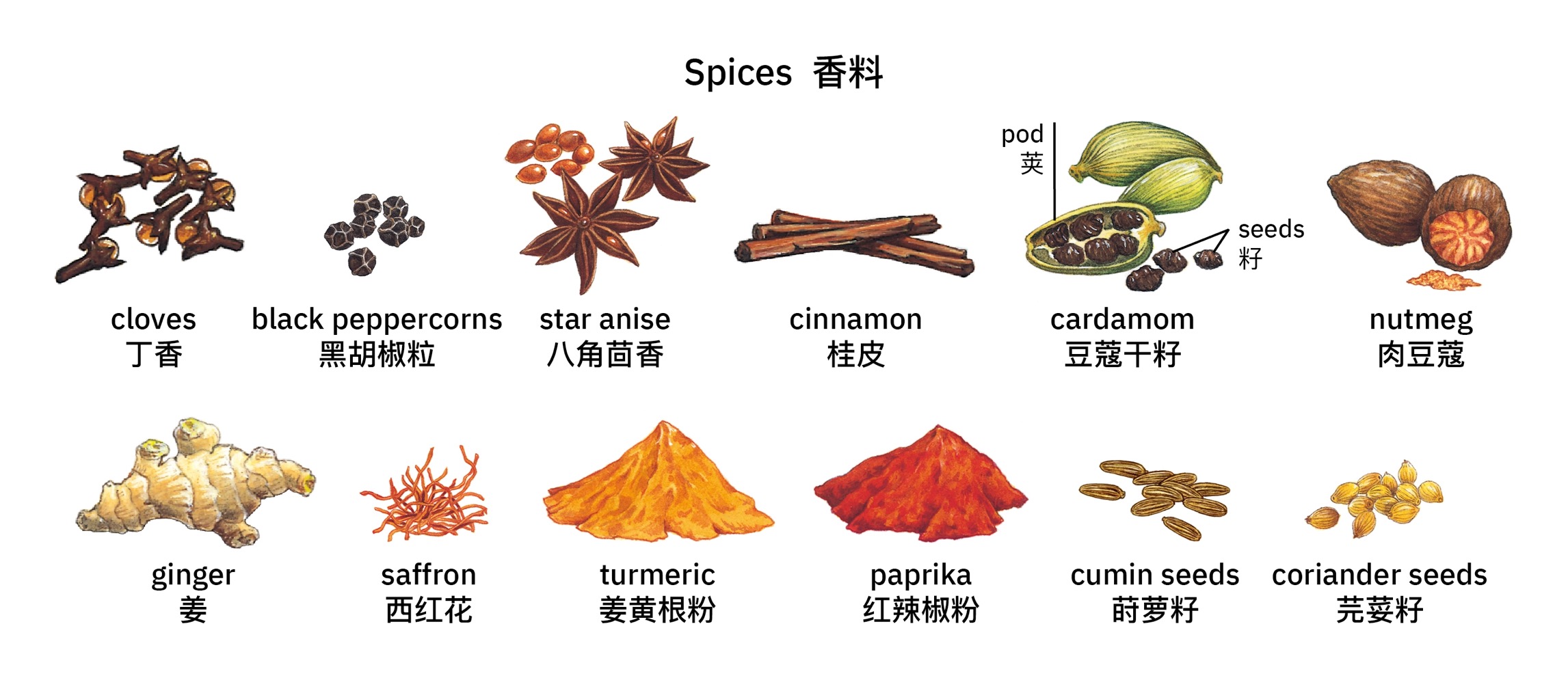
Longman Dictionary of Contemporary English 5++LDOCE 5++cum·in /ˈkʌmən, ˈkjuː- $ ˈkʌmən, ˈkuː-, ˈkjuː-/ noun [uncountable] HBPDFCthe seeds of a plant that have a sweet smell and are used especially in Mexican and Indian cooking, or the plant that they grow on 孜然;孜然芹
Examples from the Corpus
cumin• Season the buffalo meat with pepper, thyme, rosemary, salt, ground chili, and cumin.• Add the ginger, coriander and cumin and cook for a further 5 minutes, adding a little water if necessary.• Combine cumin, chili powder, cardamom, cinnamon, nutmeg and cloves in large bowl.• There were spices - a small cloth pouch of cumin and a bigger one of turmeric.• Combine the garlic, salt, oregano, cumin, pepper and fruit juices.• Add chili powder, cumin, and cayenne and black peppers, and stir over low heat for 3 minutes.• Stir in the salt to taste, cumin seeds and coriander leaves.• Stir in rice, tomatoes with their liquid, tomato paste, water, cumin and chiles.Origin cumin Old English cymen, from Latin cuminum, from Greek kyminoncum·in nounChineseSyllable
sweet have Corpus smell plant and the that a of a seeds
cumin
cum‧in /ˈkʌmən, ˈkʌmɪn, ˈkjuː- $ ˈkʌmən, ˈkuː-, ˈkjuː-/
 noun [uncountable]
cum‧in /ˈkʌmən, ˈkʌmɪn, ˈkjuː- $ ˈkʌmən, ˈkuː-, ˈkjuː-/
noun [uncountable] Language: Old English
Origin: cymen, from Latin cuminum, from Greek kyminon
the seeds of a plant that have a sweet smell and are used especially in Mexican and Indian cooking, or the plant that they grow on
Origin: cymen, from Latin cuminum, from Greek kyminon