donkey
Longman Dictionary of Contemporary English 5++LDOCE 5++don·key /ˈdɒŋki $ ˈdɑːŋki/ ●○○ noun 1.  HBA[countable] a grey or brown animal like a horse, but smaller and with long ears 驴2 donkey’s years LONG TIME British English spoken a very long time 很久,多年for donkey’s years I’ve had this jacket for donkey’s years. 这件夹克衫我穿了好多年了。
HBA[countable] a grey or brown animal like a horse, but smaller and with long ears 驴2 donkey’s years LONG TIME British English spoken a very long time 很久,多年for donkey’s years I’ve had this jacket for donkey’s years. 这件夹克衫我穿了好多年了。Examples from the Corpus
donkey• The students dissected donkeys rather than horses and even Coleman used donkey material to demonstrate horse muscles.• Shelter is essential - especially for donkeys.• When he made his rounds on a light-gray donkey, people bowed their heads and dared not look at his face.• Police in Ballymoney, Co Antrim, yesterday confirmed the donkey was stolen.• The donkey decided to go to Bremen, a town where everyone played music.• The rugged terrain is inhabited by deer, antelopes and, locals say, wild donkeys.Origin donkey (1700-1800) Perhaps from dun (=gray-brown) + -key (as in monkey)don·key nounChineseSyllable
like or Corpus grey a brown horse, animal a
donkey
don‧key /ˈdɒŋki $ ˈdɑːŋki/
 noun
noun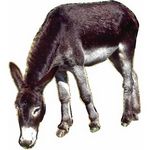
1. [countable] a grey or brown animal like a horse, but smaller and with long ears
2. donkey’s years British English spoken a very long time
for donkey’s years

I’ve had this jacket for donkey’s years.
don‧key /ˈdɒŋki $ ˈdɑːŋki/
noun Date: 1700-1800
Origin: Perhaps from dun (=gray-brown) + -key (as in monkey)
Origin: Perhaps from dun (=gray-brown) + -key (as in monkey)
1. [countable] a grey or brown animal like a horse, but smaller and with long ears
2. donkey’s years British English spoken a very long time
for donkey’s years
