iris
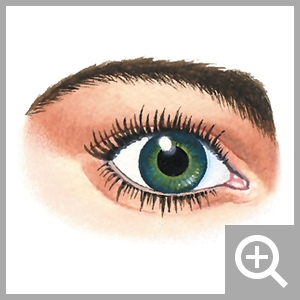
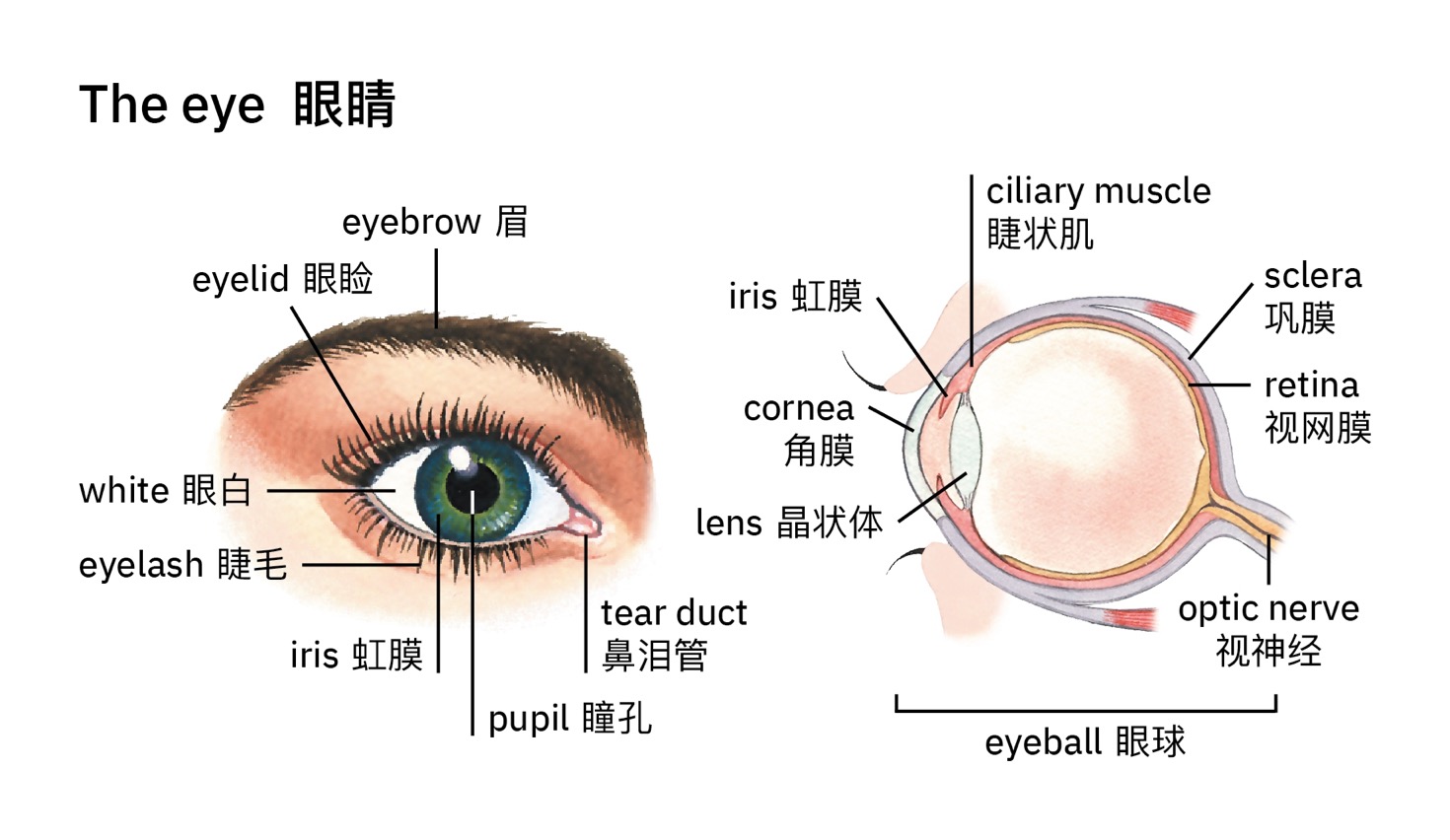
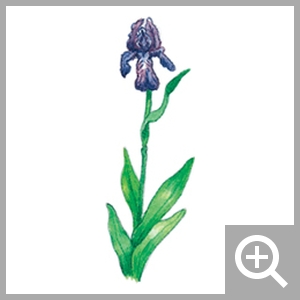
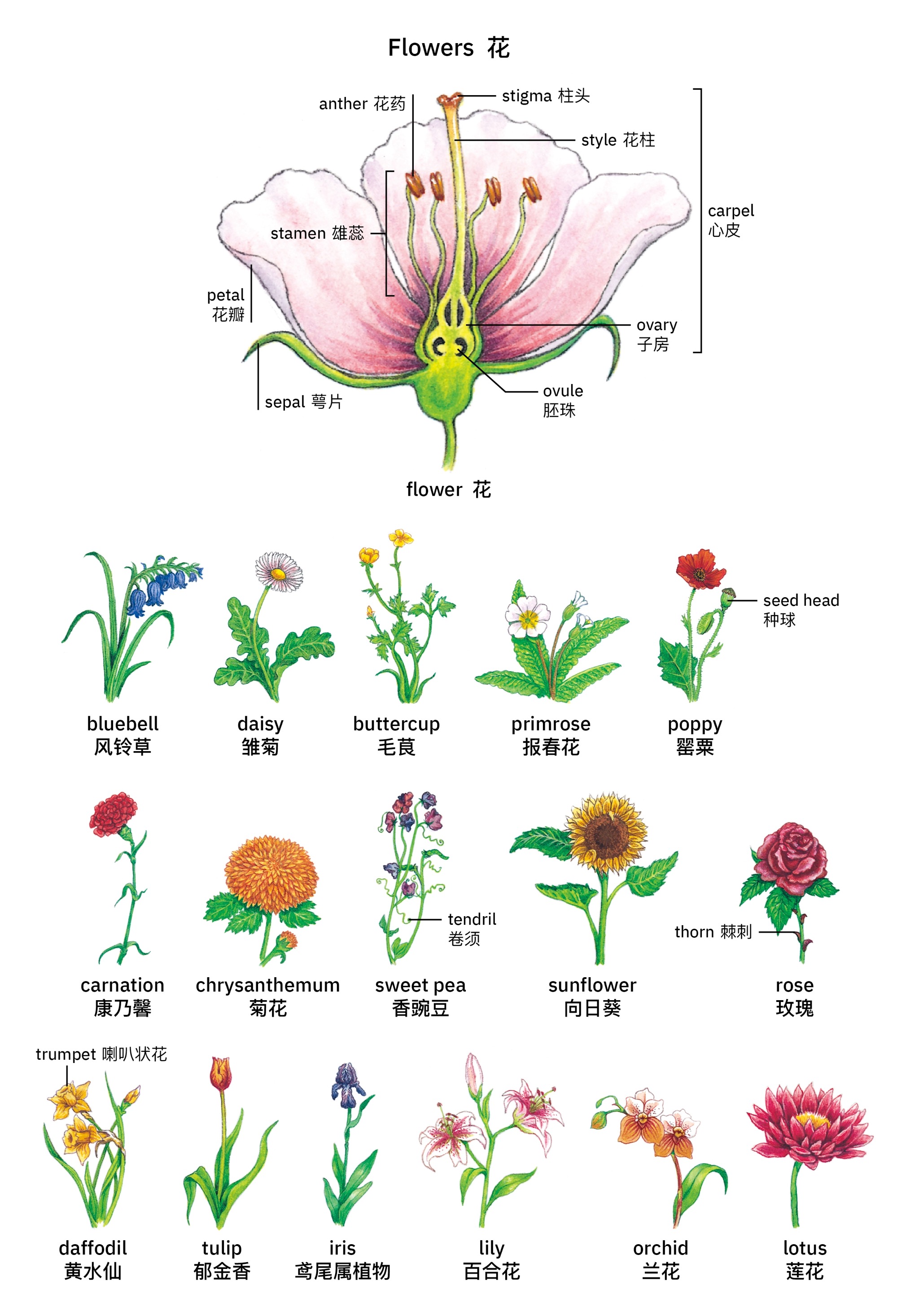
Longman Dictionary of Contemporary English 5++LDOCE 5++i·ris /ˈaɪərɪs $ ˈaɪrɪs/ noun [countable] 1. HBPDLGa tall plant with long thin leaves and large purple, yellow, or white flowers 鸢尾属植物 →5 see picture at 见图 flower12.  HBthe round coloured part of your eye, that surrounds the black pupil 〔瞳孔周围的〕虹膜 →5 see picture at 见图 eye1
HBthe round coloured part of your eye, that surrounds the black pupil 〔瞳孔周围的〕虹膜 →5 see picture at 见图 eye1Examples from the Corpus
iris• I have been in my house like an iris in an eye with the eyelid shut.• An all-white spring garden of azaleas, tulips and iris can be soothing.• Being a bearded iris, I. pallida needs full light and dryish, or at least free-draining soil.• With a circular iris, the focus is maintained in both dimensions of the field of view.• The marble iris stood peacefully on a low shelf.• A useful group of iris with clumps of grassy foliage.• But it can be made to bulge and glitter with a maestro behind the iris.Origin iris (1400-1500) Latin Greek, “rainbow, iris plant, iris of the eye”i·ris nounChineseSyllable
and a Corpus tall long leaves plant large thin with
iris
i‧ris /ˈaɪərəs, ˈaɪərɪs $ ˈaɪrəs/
 noun [countable]
2. the round coloured part of your eye, that surrounds the black pupil
i‧ris /ˈaɪərəs, ˈaɪərɪs $ ˈaɪrəs/
noun [countable] Date: 1400-1500
Language: Latin
Origin: Greek, 'rainbow, iris plant, iris of the eye'
1. a tall plant with long thin leaves and large purple, yellow, or white flowersLanguage: Latin
Origin: Greek, 'rainbow, iris plant, iris of the eye'
2. the round coloured part of your eye, that surrounds the black pupil