licorice
Longman Dictionary of Contemporary English 5++LDOCE 5++lic·o·rice /ˈlɪkərɪs, -rɪʃ/ noun [uncountable]  x-refthe American spelling of liquorice liquorice的美式拼法
x-refthe American spelling of liquorice liquorice的美式拼法Examples from the Corpus
licorice• Tarragon: Another strongly aromatic herb, tarragon has a hint of licorice and a subtle tang.• It has a warm, spicy, sweet fragrance with an overtone of licorice and cloves.• A penny bought three jaw breakers or two sticks of licorice.• A canister of Red Vines licorice sticks, $ 5 at supermarkets.Origin licorice (1100-1200) Old French Late Latin liquiritia, from Latin glycyrrhiza, from Greek, from glykys “sweet” + rhiza “root”lic·o·rice nounChineseSyllable
liquorice the Corpus of American spelling
See liquorice for more
licorice
lic‧o‧rice /ˈlɪkərɪs, -rɪʃ/ 
 noun [uncountable]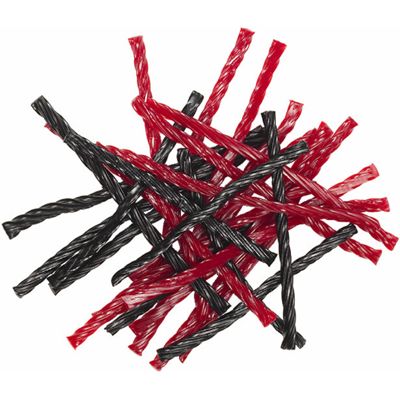
the American spelling of liquorice
liq‧uo‧rice British English, licorice American English /ˈlɪkərɪs, -rɪʃ/ noun [uncountable]
1. a black substance produced from the root of a plant, used in medicine and sweets
2.
sweets made from this substance
| I |
noun [uncountable] Date: 1100-1200
Language: Old French
Origin: Late Latin liquiritia, from Latin glycyrrhiza, from Greek, from glykys 'sweet' + rhiza 'root'
Language: Old French
Origin: Late Latin liquiritia, from Latin glycyrrhiza, from Greek, from glykys 'sweet' + rhiza 'root'
the American spelling of liquorice
| II |
British English, licorice American English /ˈlɪkərɪs, -rɪʃ/ noun [uncountable]1. a black substance produced from the root of a plant, used in medicine and sweets
2.
sweets made from this substance