limb
Longman Dictionary of Contemporary English 5++LDOCE 5++limb /lɪm/ ●●○ noun [countable] 1 out on a limb ALONEalone and without help or support 孤立无援的 All the other countries signed the agreement, leaving Britain out on a limb. 其他国家都签署了协议,使英国处于孤立无援的境地。 He’d gone out on a limb (=taken a risk) to help us. 他冒险帮助我们。2. HBan arm or leg 肢;手臂;腿3. strong-limbed/long-limbed etc HBHhaving strong, long etc arms and legs 四肢强壮的/四肢长的等4. HBPa large branch of a tree 大树枝 → risk life and limb at risk2(1), → tear somebody limb from limb at tear2(9)
Examples from the Corpus
limb• Here again, the descending limb of the loop of Henle in freely permeable to water but not to solute.• Hundreds of children have lost limbs after stepping on mines.• Anyway, there's considerable loss of blood, massive lower limb and pelvic damage and some chest injuries.• My limbs fail, my mouth is parched, my hair is standing on end.• Strength of limb, willingness of spirit-that would be sufficient.• Even Jack felt a curious stiffening of the limbs.• When babies are born they have very little control over their limbs.• Their limbs moved in naked smoothness, shifting against each other, intertwining.• The calf stood up slowly, with trembling limbs and took its first, uncertain steps.Origin limb Old English limlimb nounChinese
or alone without help and Corpus support
limb
limb /lɪm/
 noun [countable]

All the other countries signed the agreement, leaving Britain out on a limb.
He’d gone out on a limb (=taken a risk) to help us.
2. an arm or leg
3. strong-limbed/long-limbed etc having strong, long etc arms and legs
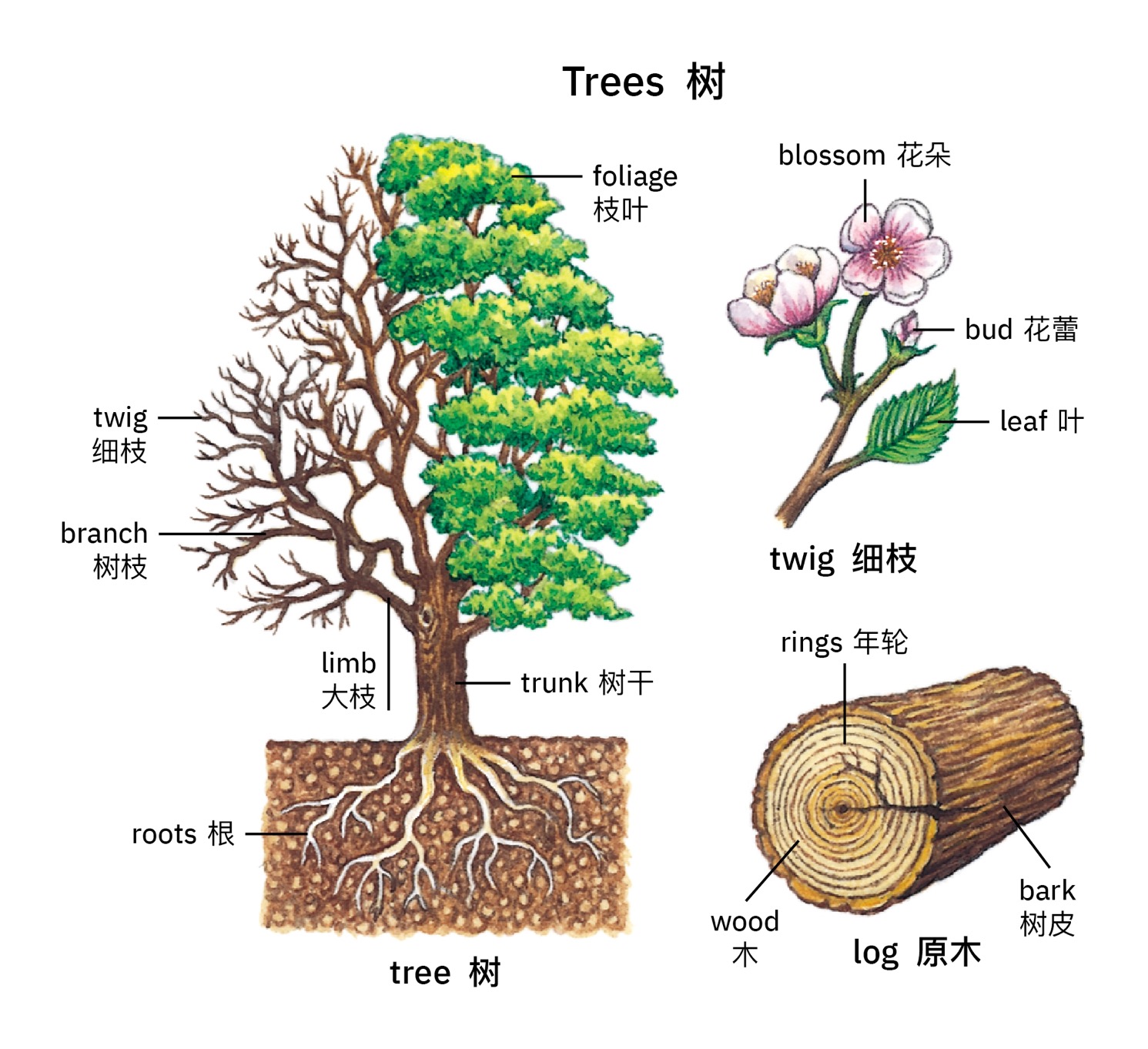
4. a large branch of a tree
⇨ risk life and limb at risk2(1), ⇨ tear somebody limb from limb at tear2(9)
limb /lɪm/
noun [countable] Language: Old English
Origin: lim
1. out on a limb alone and without help or support:Origin: lim
2. an arm or leg
3. strong-limbed/long-limbed etc having strong, long etc arms and legs
4. a large branch of a tree
⇨ risk life and limb at risk2(1), ⇨ tear somebody limb from limb at tear2(9)
In standard BrE likely is often used with a word such asmost ,more orvery .在标准的英式英语中,副词 likely 常与 most、more 或 very 等词连用 :◆ We will most likely see him later. 我们很可能晚些时候会见到他。 In journalism and less formal language, however, likely is used on its own.但在新闻和不太正式的用语中,likely 则单独使用 :◆ The deal will likely result in more cuts to services. 这项协议可能会导致对服务行业的进一步削减。 In informal NAmE likely is often used on its own, and this is not considered incorrect.在非正式的美式英语中,likely 常单独使用,且不被视为有误 :◆ We will likely see him later. 我们可能晚些时候会见到他。 ◆ He said that he would likely run for President. 他说他可能竞选总统。
In standard BrE likely is often used with a word such asmost ,more orvery .在标准的英式英语中,副词 likely 常与 most、more 或 very 等词连用 :◆ We will most likely see him later. 我们很可能晚些时候会见到他。 In journalism and less formal language, however, likely is used on its own.但在新闻和不太正式的用语中,likely 则单独使用 :◆ The deal will likely result in more cuts to services. 这项协议可能会导致对服务行业的进一步削减。 In informal NAmE likely is often used on its own, and this is not considered incorrect.在非正式的美式英语中,likely 常单独使用,且不被视为有误 :◆ We will likely see him later. 我们可能晚些时候会见到他。 ◆ He said that he would likely run for President. 他说他可能竞选总统。

often
In standard BrE likely is often used with a word such asmost ,more orvery .在标准的英式英语中,副词 likely 常与 most、more 或 very 等词连用 :◆ We will most likely see him later. 我们很可能晚些时候会见到他。 In journalism and less formal language, however, likely is used on its own.但在新闻和不太正式的用语中,likely 则单独使用 :◆ The deal will likely result in more cuts to services. 这项协议可能会导致对服务行业的进一步削减。 In informal NAmE likely is often used on its own, and this is not considered incorrect.在非正式的美式英语中,likely 常单独使用,且不被视为有误 :◆ We will likely see him later. 我们可能晚些时候会见到他。 ◆ He said that he would likely run for President. 他说他可能竞选总统。