lobster
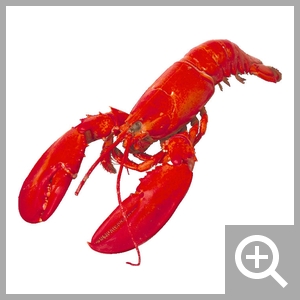
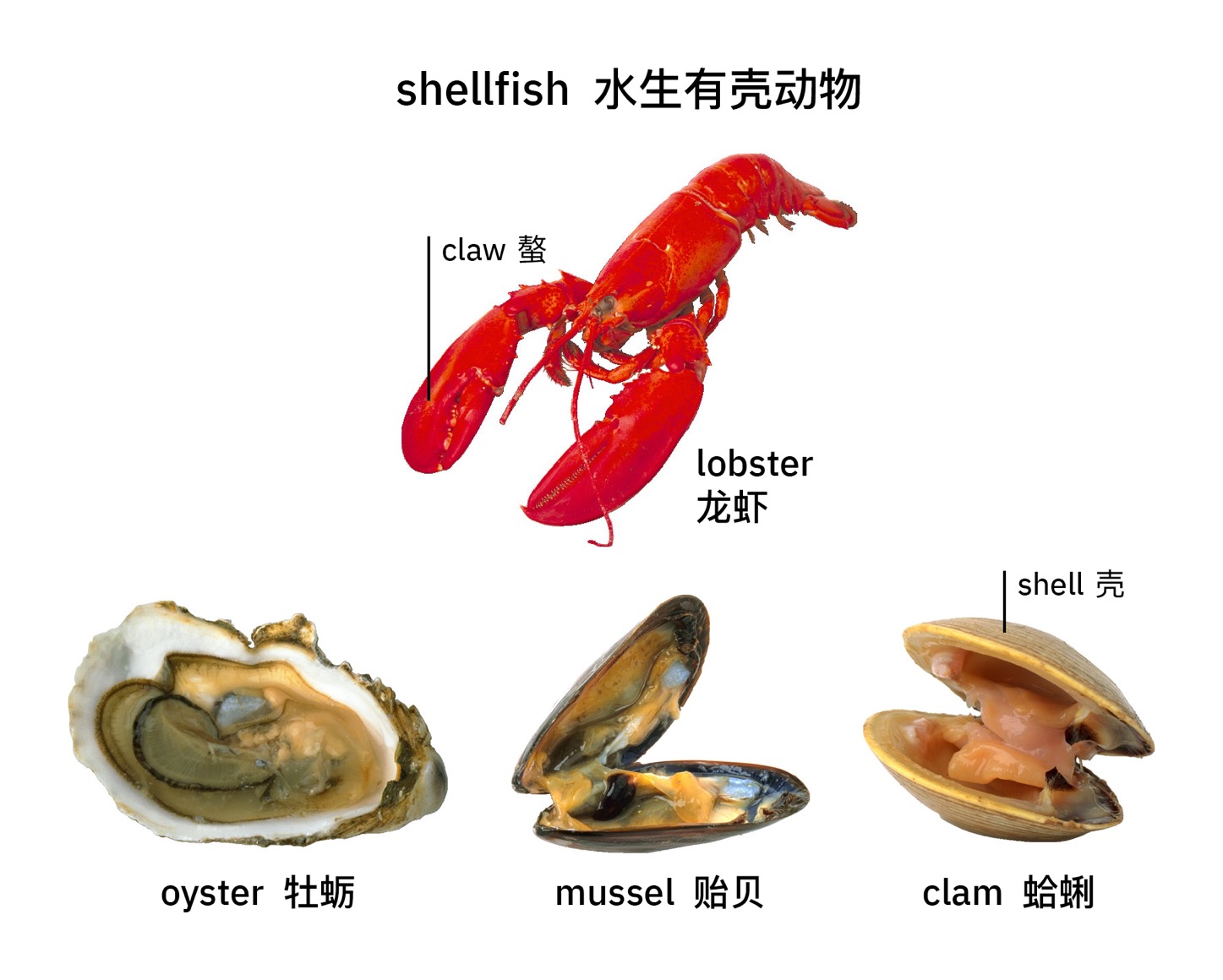
Longman Dictionary of Contemporary English 5++LDOCE 5++lob·ster /ˈlɒbstə $ ˈlɑːbstər/ ●●○ noun 1.  [countable]HBF a sea animal with eight legs, a shell, and two large claws 龙虾 →5 see picture at 见图 shellfish2. [uncountable]DFF the flesh of a lobster, which is eaten 龙虾肉
[countable]HBF a sea animal with eight legs, a shell, and two large claws 龙虾 →5 see picture at 见图 shellfish2. [uncountable]DFF the flesh of a lobster, which is eaten 龙虾肉Examples from the Corpus
lobster• Personally, I would need a lobster or two.• He insisted the fisheries officers were doing their duty by removing illegal lobster traps.• And the one and one-quarter pound lobster is super sweet.• That could reduce lobster reproduction in the area of the spill.• I had to stuff the second lobster in the pot, which was too small.• Accident the mushrooms, the lobster.• In the case of the lobster this is the usual story.• After that, you lobster for the rest of your life.Origin lobster Old English loppestre, probably from Latin locusta “lobster” (influenced by Old English loppe “spider”)lob·ster nounChineseSyllable
with legs, Corpus animal eight sea a
See ldoce4404jpg for more
lobster
lob‧ster /ˈlɒbstə $ ˈlɑːbstər/
 noun
noun
1. [countable] a sea animal with eight legs, a shell, and two large claws
2. [uncountable] the flesh of a lobster, which is eaten
lob‧ster /ˈlɒbstə $ ˈlɑːbstər/
noun Language: Old English
Origin: loppestre, probably from Latin locusta 'lobster' (influenced by Old English loppe 'spider')
Origin: loppestre, probably from Latin locusta 'lobster' (influenced by Old English loppe 'spider')
1. [countable] a sea animal with eight legs, a shell, and two large claws
2. [uncountable] the flesh of a lobster, which is eaten