mandible
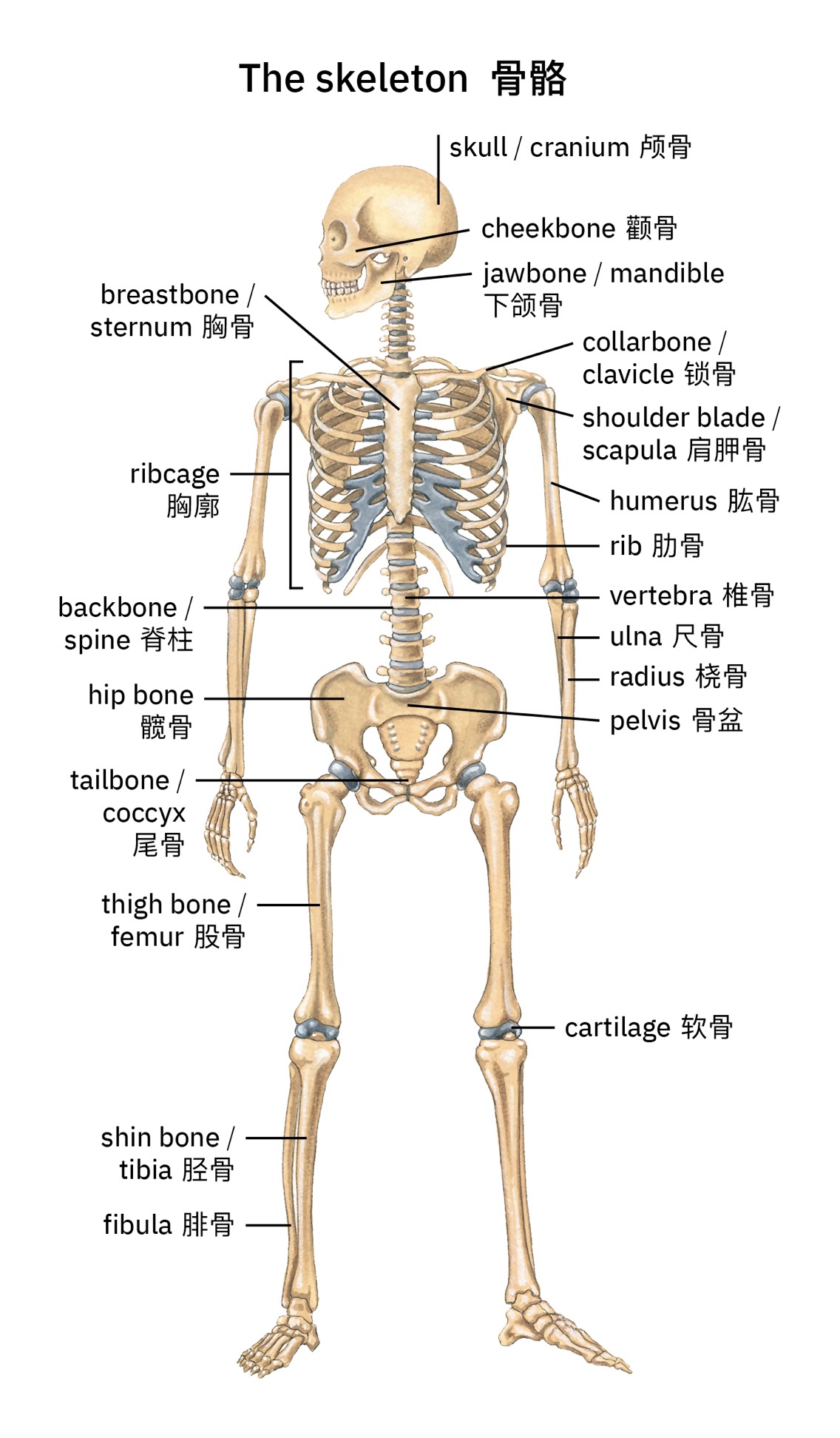
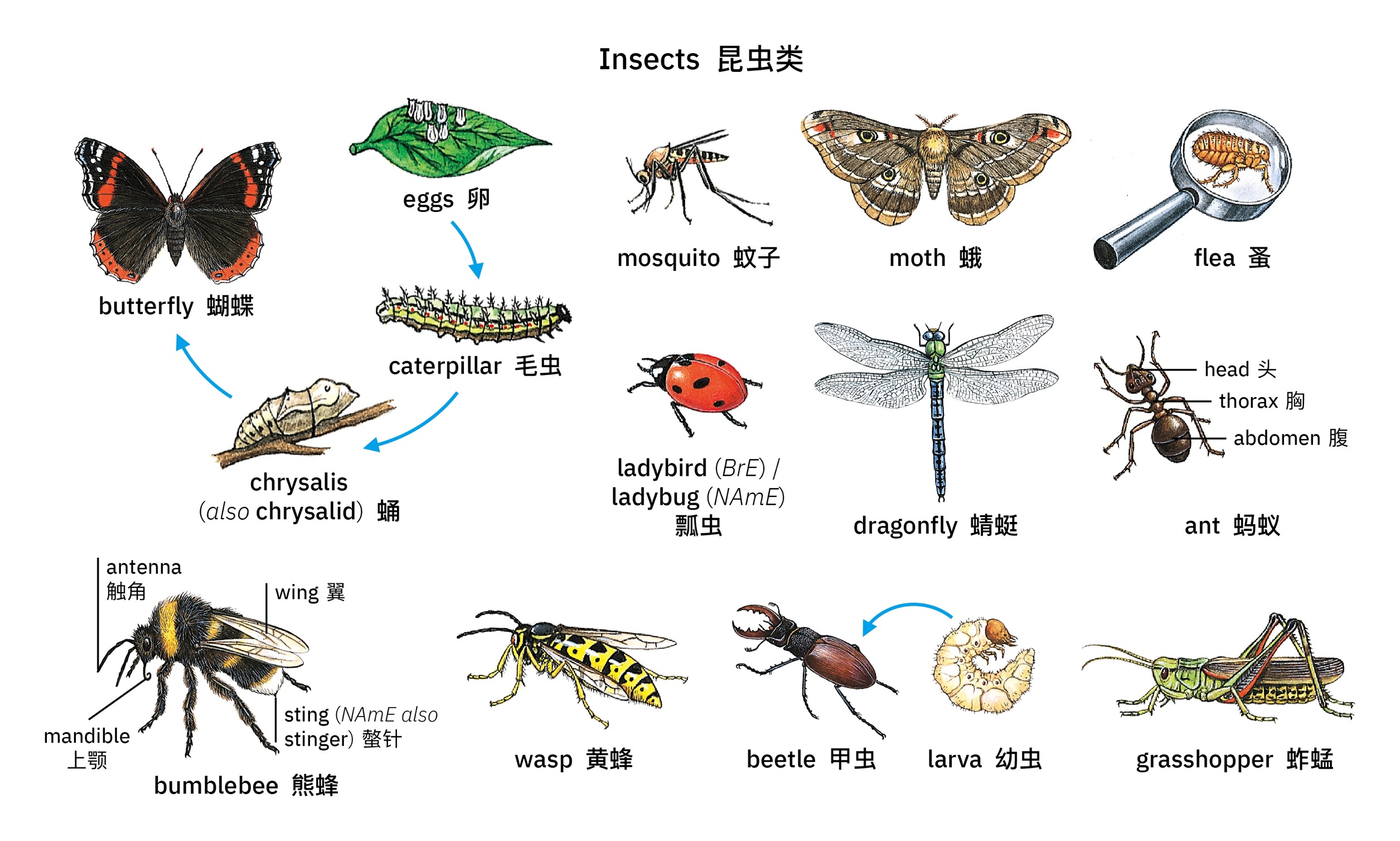
Longman Dictionary of Contemporary English 5++LDOCE 5++man·di·ble /ˈmændəbəl/ noun [countable] technical 1. HBAHBFthe jaw bone of an animal or fish, especially the lower jaw 〔动物或鱼的〕颌,颌骨〔尤指下颌骨〕2. the outside part of a bird’s beak 鸟喙的外部3. the part of an insect’s mouth that it uses for eating 〔昆虫的〕上颚,大颚
Examples from the Corpus
mandible• After 48-55 months of weathering, the bones of the skull and mandible were still little altered.• Too many legs though, round luminous eyes, and more complicated mandibles than any arachnid Ace had ever seen on Earth.• The President was grinding his mandibles, but forcing himself to smile.• The distinction is made between molars in place in mandibles or maxillae, and isolated molars.• I have lost my shagging mandibles.• The degree of alteration of the mandibles is therefore not as great as is suggested by these figures.• The breakage of the mandible differentiates at least four groups of predator.• The other end attached to a bony spot on the mandible, or lower jaw.Origin mandible (1500-1600) Late Latin mandibula, from Latin mandere “to chew”man·di·ble nounChineseSyllable
of fish, animal especially lower bone jaw Corpus the or an the
mandible
man‧di‧ble /ˈmændəbəl, ˈmændɪbəl/
 noun [countable] technical
2. the outside part of a bird’s beak
3. the part of an insect’s mouth that it uses for eating
man‧di‧ble /ˈmændəbəl, ˈmændɪbəl/
noun [countable] technical Date: 1500-1600
Language: Late Latin
Origin: mandibula, from Latin mandere 'to chew'
1. the jaw bone of an animal or fish, especially the lower jawLanguage: Late Latin
Origin: mandibula, from Latin mandere 'to chew'
2. the outside part of a bird’s beak
3. the part of an insect’s mouth that it uses for eating