marjoram
Longman Dictionary of Contemporary English 5++LDOCE 5++mar·jo·ram /ˈmɑːdʒərəm $ ˈmɑːr-/ noun [uncountable]  DFCa herb that smells sweet and is used in cooking 墨角兰,牛至〔草本植物,味香,用于烹饪〕
DFCa herb that smells sweet and is used in cooking 墨角兰,牛至〔草本植物,味香,用于烹饪〕Examples from the Corpus
marjoram• She particularly disliked marjoram - an essence used for grief, said to be an anti-aphrodisiac.• Garnish with fresh marjoram and serve hot or cold with salad leaves.• It is seasoned with onions, coriander, ginger, marjoram, and mustard.• Grapefruit, marjoram, peach and camomile for radiance and freshness.• Spoon a quarter of the peppers into the middle of each pastry round, sprinkle a little marjoram on top and season.• Let cool and stir in thyme, marjoram, savvy, and chives.• Woody herbs, like thyme, marjoram and winter savory stay green in all but the hardest winters and clip into tiny hedging.• The touch of wild marjoram leaves is a herbal tonic.Origin marjoram (1500-1600) majorane “marjoram” ((14-17 centuries)), from Old French, from Latin majoranamar·jo·ram nounChineseSyllable
is herb a that and sweet smells Corpus
marjoram
mar‧jo‧ram /ˈmɑːdʒərəm $ ˈmɑːr-/
 noun [uncountable]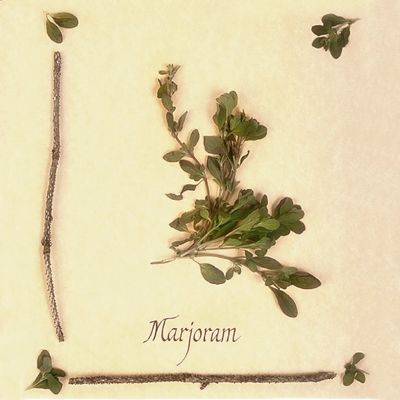
a herb that smells sweet and is used in cooking
mar‧jo‧ram /ˈmɑːdʒərəm $ ˈmɑːr-/
noun [uncountable] Date: 1500-1600
Origin: majorane 'marjoram' (14-17 centuries), from Old French, from Latin majorana
Origin: majorane 'marjoram' (14-17 centuries), from Old French, from Latin majorana
a herb that smells sweet and is used in cooking