meadow
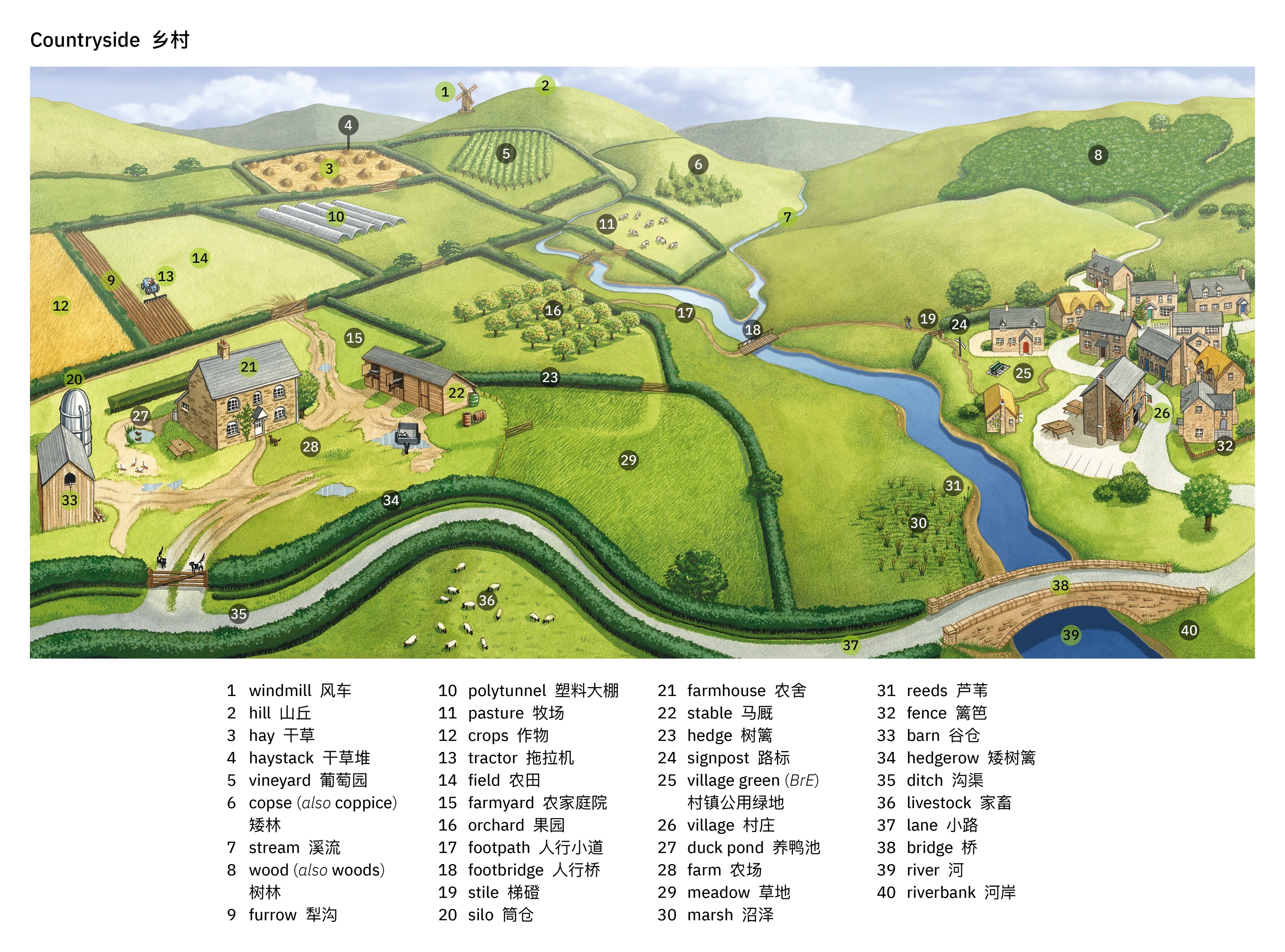
Longman Dictionary of Contemporary English 5++LDOCE 5++mead·ow /ˈmedəʊ $ -doʊ/ ●○○ noun [countable] DNa field with wild grass and flowers 草地 →4 See picture on 见图 Page A4 Country 乡间
Examples from the Corpus
meadow• They circled in the wind, their cries filling the morning air as we crossed the bottom meadows into the hamlet.• They look a bit like our familiar meadow pipit apart from the chestnut colour of the throat.• The Rockets seem happier hacking their way through the brambles than skipping across a grassy meadow.• She lifted it over the fence and set off across the little meadow, gathering speed and thoroughly enjoying it.• We were friends, on Sunday afternoons we went running in the lower meadows.• In the countryside, large working farms interrupted a landscape of mountains, meadow, marshland, and abandoned quarries.• Perhaps it still is, for it still winds peacefully between the elm-shaded meadows of the Exe valley past congenial inns.• Again the enemy pushes through the meadow and up the hill, and the battle is renewed.Origin meadow Old English mædwemead·ow nounChineseSyllable
flowers and field wild a with grass Corpus
meadow
mead‧ow /ˈmedəʊ $ -doʊ/
 noun [countable]
▪ field noun [countable] an area of land in the country, especially one where crops are grown or animals feed on grass: a wheat field | Cows were grazing in the field.
▪meadow noun [countable] a field with wild grass and flowers: alpine meadows
▪paddock noun [countable] a small field in which horses are kept: Horses are much happier in a big paddock with several other horses.
▪pasture noun [uncountable and countable] land or a field that is covered with grass and is used for cattle, sheep etc to feed on: large areas of rough upland pasture | cow pastures
mead‧ow /ˈmedəʊ $ -doʊ/
noun [countable] Language: Old English
Origin: mædwe
a field with wild grass and flowersOrigin: mædwe
| THESAURUS |
▪
▪
▪