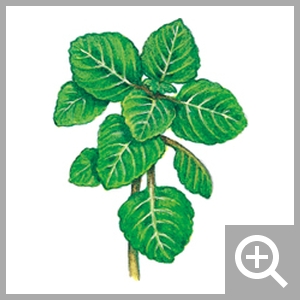
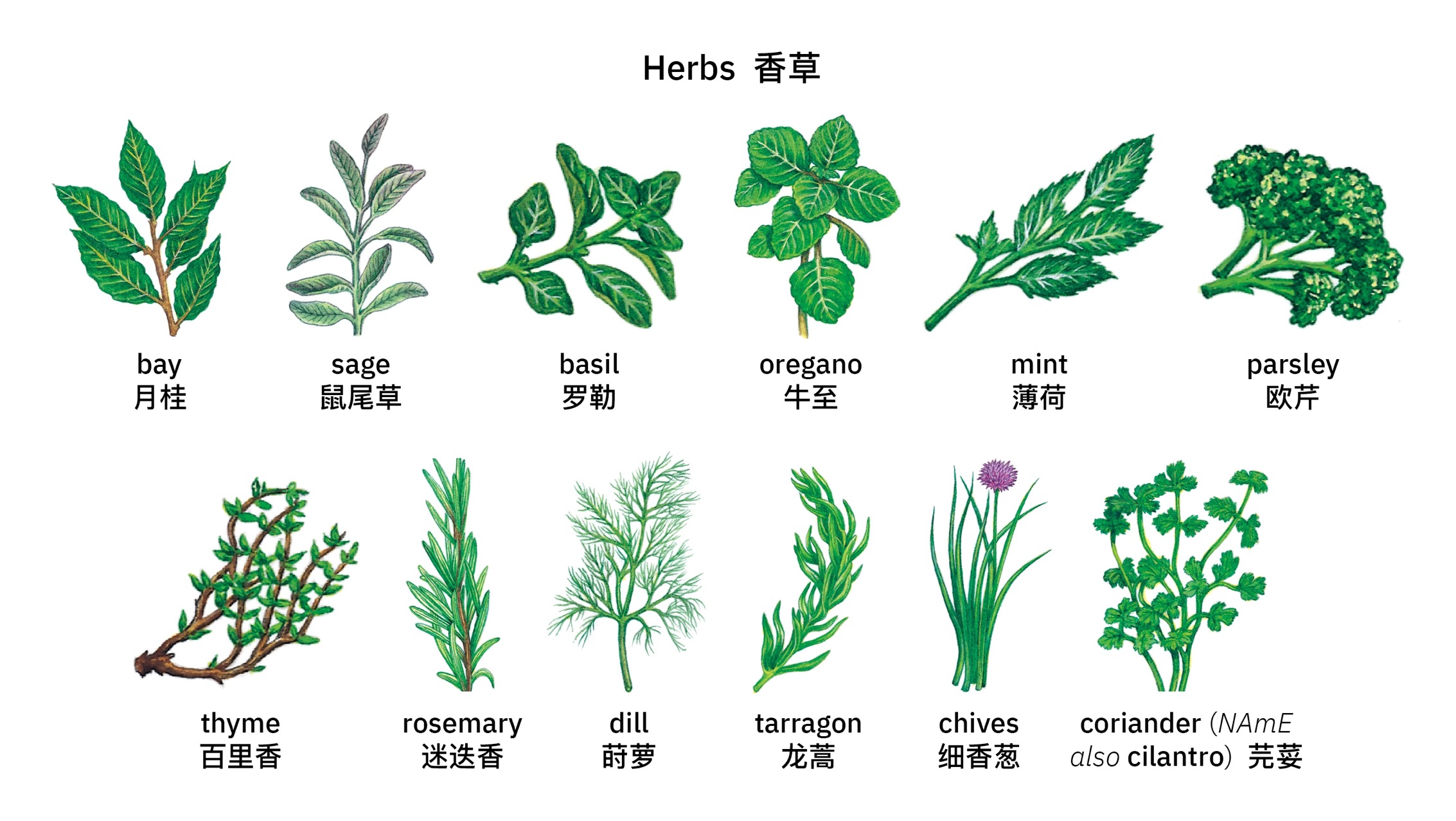
oregano
Longman Dictionary of Contemporary English 5++LDOCE 5++or·e·ga·no /ˌɒːrɪˈɡɑːnəʊ $ əˈreɡənoʊ/ noun [uncountable] DFHa plant used in cooking, especially in Italian cooking 牛至〔可用作调味品的植物,尤用于意大利烹调〕
Examples from the Corpus
oregano• A traditional bouquet garni mixture blends thyme with sage, parsley, bay, and oregano.• Add salt, pepper and oregano.• It is delicious in salads of onion, tomato and juicy black olives, sprinkled with fresh oregano.• If you are using commercial sauce, thin it down and maybe add a little oregano and basil.• I might add a little oregano, garlic, onions, salt, and butter once in a while.• Carefully stir the taco sauce, salt and pepper, oregano and olive oil into the fish.• Combine the garlic, salt, oregano, cumin, pepper and fruit juices.• Thus, it helps to know the source of your oregano when cooking with it.Origin oregano (1700-1800) Spanish Latin origanum, from Greek origanonor·e·ga·no nounChineseSyllable
plant Italian cooking, in especially used Corpus in a cooking
oregano
or‧e‧ga‧no /ˌɒːrɪˈɡɑːnəʊ $ əˈreɡənoʊ/
 noun [uncountable]
or‧e‧ga‧no /ˌɒːrɪˈɡɑːnəʊ $ əˈreɡənoʊ/
noun [uncountable] Date: 1700-1800
Language: Spanish
Origin: Latin origanum, from Greek origanon
a plant used in cooking, especially in Italian cooking
Language: Spanish
Origin: Latin origanum, from Greek origanon