parsnip
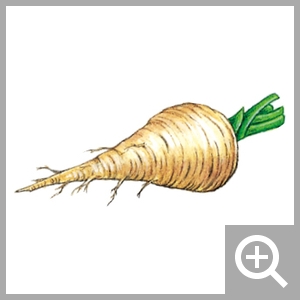
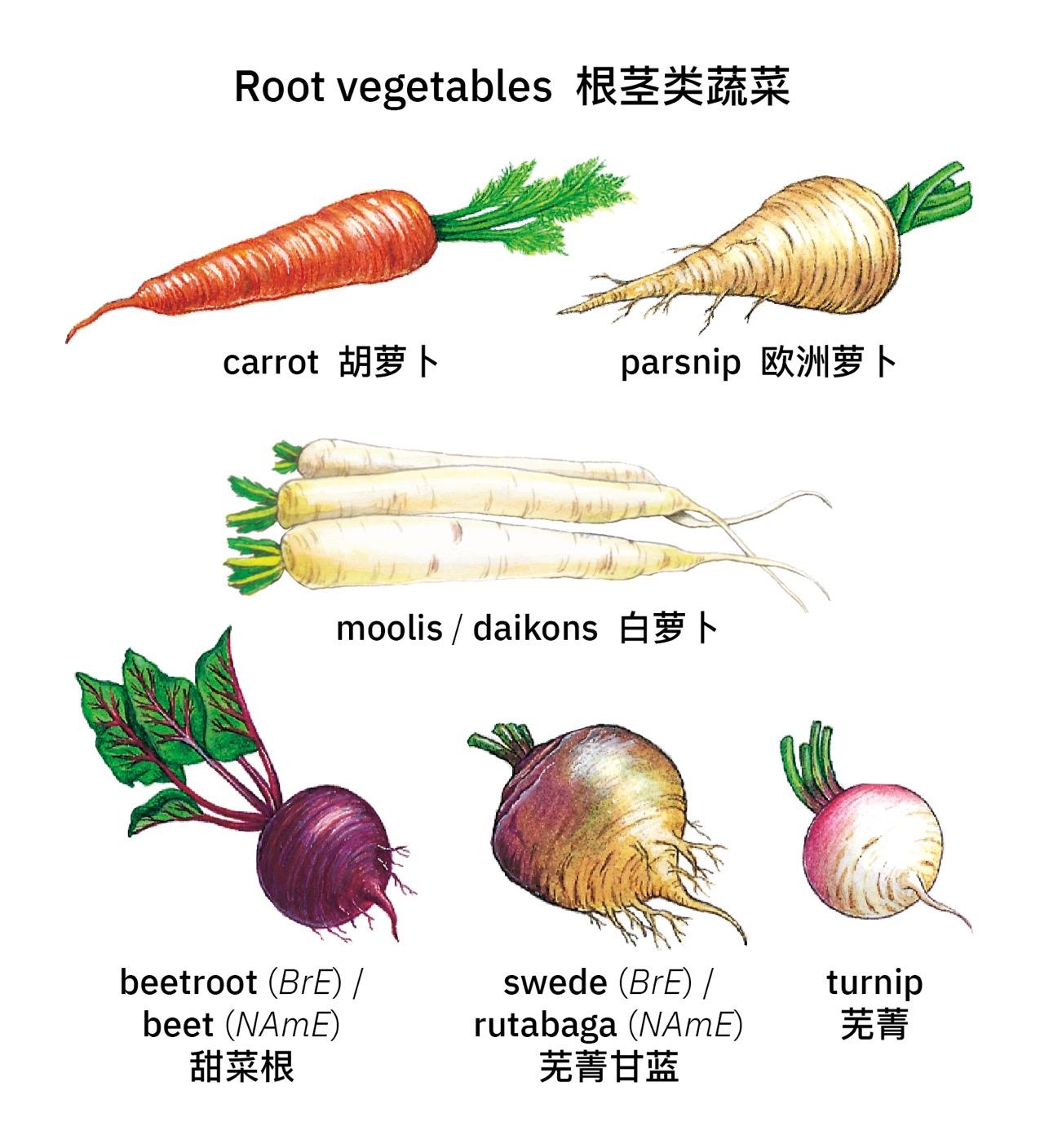
Longman Dictionary of Contemporary English 5++LDOCE 5++pars·nip /ˈpɑːsnɪp $ ˈpɑːr-/ noun [countable, uncountable] DFFHBPa vegetable with a thick white or yellowish root 欧防风 →5 see picture at 见图 vegetable1
Examples from the Corpus
parsnip• So the choice is not, should I become organic, or shall I go into parsnips?• For example: Fine words butter no parsnips.• I well remember during one hot dry summer talking to one grower who was complaining about his poor crop of parsnips.• In a food mill or using short pulses in a food processor, puree parsnips and onion mixture.• When making scalloped potatoes, slip in some sliced parsnips for a burst of sweet flavor.• The puree on the current menu has been switched to parsnip.• While parsnips are cooking, in a small skillet, saute onion and saffron in butter until soft but not browned.• Serve with parsnip puree and red cabbage.Origin parsnip (1300-1400) Old French pasnaie, from Latin pastinaca; influenced by neep “turnip”, from Old English næppars·nip nounChineseSyllable
thick or Corpus a white root vegetable a with yellowish
parsnip
pars‧nip /ˈpɑːsnɪp $ ˈpɑːr-/
 noun [uncountable and countable]
pars‧nip /ˈpɑːsnɪp $ ˈpɑːr-/
noun [uncountable and countable] Date: 1300-1400
Language: Old French
Origin: pasnaie, from Latin pastinaca; influenced by neep 'turnip', from Old English næp
a vegetable with a thick white or yellowish root
Language: Old French
Origin: pasnaie, from Latin pastinaca; influenced by neep 'turnip', from Old English næp