pupil
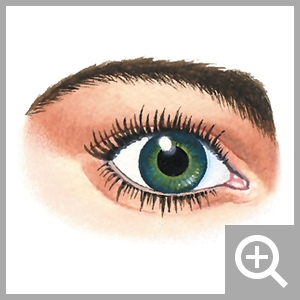
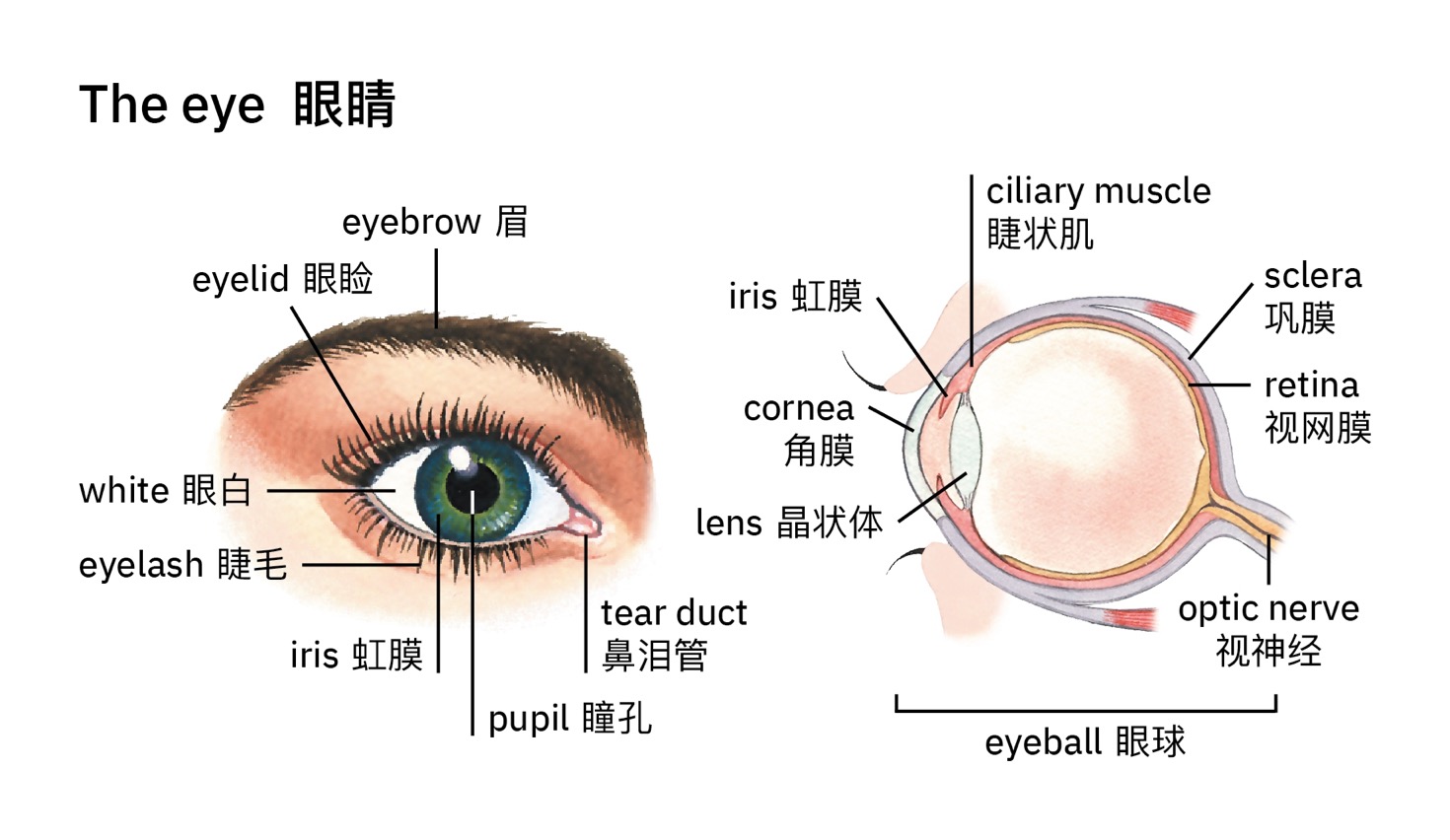
Longman Dictionary of Contemporary English 5++LDOCE 5++pu·pil /ˈpjuːpəl/ ●●● S2 W1 noun [countable] 1 especially British EnglishSES someone who is being taught, especially a child 学生,〔尤指〕小学生 About 20 pupils study music here. 大约20名小学生在这里学习音乐。 staff and pupils 教职员工和学生 a star pupil (=a very good one) 一名优秀的小学生 a third-grade pupil 一名三年级小学生► see thesaurus at student2.  HBHthe small black round area in the middle of your eye 瞳孔 → iris →5 see picture at 见图 eye1
HBHthe small black round area in the middle of your eye 瞳孔 → iris →5 see picture at 见图 eye1Examples from the Corpus
pupil• The 20 pupils attending the meetings are ages 5-12.• The school has over 700 pupils.• Many teachers express concern that even their more able pupils do not fulfil their potential in the subject.• What this criticism draws attention to is the bitter truth about teachers' exclusive concentration upon creativity with working-class pupils.• The specialist teacher may find that some visually handicapped pupils require direct support teaching sessions.• The new law reduces the number of pupils per class in the first four years of schooling.• The instructors walk around with weapons on their belts and constantly remind their pupils to don their ear protectors.• Thus, although these pupils generally have difficulty with reading, this does not mean that written tests should be ruled out.star pupil• Elinor was a star pupil in her therapy class.• At school in Somerset, I was a star pupil - keen, confident and bright.• My Betty, star pupil of the arts line at Bedfordshire Comprehensive.• Glenn Stephenson was the star pupil of the group Mitchell nurtured.Origin pupil 1. (1300-1400) French pupille, from Latin pupillus “young boy who is looked after”, from pupus “boy”2. (1300-1400) Old French pupille, from Latin pupilla, from pupa “girl, doll”; because of the small image of yourself which you can see in someone else's eyepu·pil nounChineseSyllable
being is taught, who especially someone a Corpus
pupil
pu‧pil S2 W1 /ˈpjuːpəl/
 noun [countable]
Language: French
Origin: pupille, from Latin pupillus 'young boy who is looked after', from pupus 'boy'
Language: Old French
Origin: pupille, from Latin pupilla, from pupa 'girl, doll'; because of the small image of yourself which you can see in someone else's eye1. especially British English someone who is being taught, especially a child:

About 20 pupils study music here.
staff and pupils
a star pupil (=a very good one)
a third-grade pupil
2. the small black round area in the middle of your eye ⇨ iris
▪ student someone who is studying at a university or school. In British English, student is not usually used to refer to a child at primary school: a student at Moscow University | How many students are there in your class? | The university has a lot of overseas students. | Most schools have special classes for students with learning difficulties.
▪pupil especially British English someone who is being taught in a particular school or by a particular teacher: The school has 300 pupils. | He received a letter from one of his former pupils.
▪schoolchild a child who goes to school: The play was performed by a group of local schoolchildren.
▪schoolboy/schoolgirl especially British English a boy or girl who goes to school – used especially when talking about how they behave, or that time in someone’s life: They were behaving like naughty schoolgirls. | When he was a schoolboy, no one had heard of computers. | He blushed at her like a schoolboy.
▪learner someone who is learning a foreign language: Learners often have problems with pronunciation. | a book for foreign learners of English
pu‧pil S2 W1 /ˈpjuːpəl/
noun [countable] Sense 1
Date: 1300-1400Language: French
Origin: pupille, from Latin pupillus 'young boy who is looked after', from pupus 'boy'
Sense 2
Date: 1300-1400Language: Old French
Origin: pupille, from Latin pupilla, from pupa 'girl, doll'; because of the small image of yourself which you can see in someone else's eye
2. the small black round area in the middle of your eye ⇨ iris
| THESAURUS |
▪
▪
▪
▪
especially
becoming
student a person who is studying in a school, especially an older child 指在校学习的学生,尤指较大的学生 :◆ Students are required to be in school by 8.30. 学生须在 8:30 以前到校。 ◆ Any high school student could tell you the answer. 随便一个高中生都可以告诉你答案。 pupil ( a person who is being taught, especially a child in a schoolBrE 指学生,尤指小学生 :◆ The school has over 850 pupils. 这所小学有 850 多名学生。 NOTE Pupil is used only in British English and is starting to become old-fashioned.Student is often preferred, especially by teachers and other people involved in education, and especially when talking about older children.* pupil 只用于英式英语,并已开始过时。现在尤其是教师和教育工作者,较常用 student,多指较大的学生。 schoolboy/schoolgirl/schoolchild a boy, girl or child who attends school 指学校的男生、女生、学童、小学生 :◆ Since she was a schoolgirl she had dreamed of going on the stage. 自从上学以来她就一直梦想着成为演员。 NOTE These words emphasize the age of the children or this period in their lives; they are less often used to talk about teaching and learning. * schoolboy/schoolgirl/schoolchild 强调童年或学龄时期,较少用于教与学 :◆ an able schoolboy/schoolgirl/schoolchild
Patterns
a(n) good/bright/able/brilliant/star/outstanding student/pupila naughty schoolboy/schoolgirl/schoolchilda disruptive student/pupila(n) ex-/former student/pupila school student/pupilto teach students/pupils/schoolboys/schoolgirls/schoolchildren