seed
Longman Dictionary of Contemporary English 5++LDOCE 5++seed1 /siːd/ ●●● S3 W3 noun 1 plants 植物 a) [countable, uncountable]HBP a small hard object produced by plants, from which a new plant of the same kind grows 种子,籽 a packet of sunflower seeds 一包葵花籽plant/sow seeds (=put them in the soil) 播种 Sow the seeds one inch deep in the soil. 把种子种到一英寸深的土里。grow something from seed We grew all our tomatoes from seed. 我们所有的番茄都是从种子开始种的。 b) [uncountable] a quantity of seeds (一批)种子 Some of the poorest farmers don’t have enough money to buy seed. 有些贫穷的农民连买种子的钱都不够。 →5 see picture at 见图 tree2.  in fruit 在水果中 [countable] American EnglishHBP one of the small hard objects in a fruit such as an apple or orange, from which new fruit trees grow 〔苹果、橙子等的〕果核,籽 SYN British English pip3 seeds of something writtenCAUSE something that makes a new situation start to grow and develop 某物的起因[根源]seeds of change/victory The seeds of change in Eastern Europe were beginning to emerge. 东欧剧变的种子开始萌芽。seeds of doubt/disaster/destruction etc (=something which makes a bad feeling or situation develop) 怀疑/灾难/毁灭等的种子 Something Lucy said began to sow seeds of doubt in his mind. 露西说的一些话在他心里播下了怀疑的种子。4 go/run to seed a) HBPif a plant or vegetable goes or runs to seed, it starts producing flowers and seeds as well as leaves 〔植物或蔬菜〕开花结籽 b) HEALTHY#if someone or something goes or runs to seed, they become less attractive or good, especially because they are getting old and have not been properly looked after 〔人〕衰老,失去活力;〔事物〕衰败,破落 The old central bus station is going to seed. 这座老中央公共汽车站日益破败。5 number one/two/three etc seed [countable]DST a player or team in a competition that is given a particular position, according to how likely they are to win 头号/二号/三号等种子选手 [球队] He’s been top seed for the past two years. 他在过去两年中一直是头号种子选手。6. sex 性HBH [uncountable] biblical semen or sperm – often used humorously 精液,精子〔常为幽默用法〕7. family 家庭 [uncountable] biblicalRRC the group of people who have a particular person as their father, grandfather etc, especially when they form a particular race 子孙,后裔n COLLOCATIONSverbsplant/sow seeds (=put them in the soil)Sow the seeds in trays or pots.grow something from seed (=grow a plant from a seed rather than buying it as a small plant)You can grow most vegetables from seed.seeds germinate (=start to grow)The seeds should start to germinate after a few days.NOUN + seedflower/sunflower/tomato etc seedsI bought a packet of poppy seeds.grass seedYou can sprinkle grass seed over any gaps in the lawn.
in fruit 在水果中 [countable] American EnglishHBP one of the small hard objects in a fruit such as an apple or orange, from which new fruit trees grow 〔苹果、橙子等的〕果核,籽 SYN British English pip3 seeds of something writtenCAUSE something that makes a new situation start to grow and develop 某物的起因[根源]seeds of change/victory The seeds of change in Eastern Europe were beginning to emerge. 东欧剧变的种子开始萌芽。seeds of doubt/disaster/destruction etc (=something which makes a bad feeling or situation develop) 怀疑/灾难/毁灭等的种子 Something Lucy said began to sow seeds of doubt in his mind. 露西说的一些话在他心里播下了怀疑的种子。4 go/run to seed a) HBPif a plant or vegetable goes or runs to seed, it starts producing flowers and seeds as well as leaves 〔植物或蔬菜〕开花结籽 b) HEALTHY#if someone or something goes or runs to seed, they become less attractive or good, especially because they are getting old and have not been properly looked after 〔人〕衰老,失去活力;〔事物〕衰败,破落 The old central bus station is going to seed. 这座老中央公共汽车站日益破败。5 number one/two/three etc seed [countable]DST a player or team in a competition that is given a particular position, according to how likely they are to win 头号/二号/三号等种子选手 [球队] He’s been top seed for the past two years. 他在过去两年中一直是头号种子选手。6. sex 性HBH [uncountable] biblical semen or sperm – often used humorously 精液,精子〔常为幽默用法〕7. family 家庭 [uncountable] biblicalRRC the group of people who have a particular person as their father, grandfather etc, especially when they form a particular race 子孙,后裔n COLLOCATIONSverbsplant/sow seeds (=put them in the soil)Sow the seeds in trays or pots.grow something from seed (=grow a plant from a seed rather than buying it as a small plant)You can grow most vegetables from seed.seeds germinate (=start to grow)The seeds should start to germinate after a few days.NOUN + seedflower/sunflower/tomato etc seedsI bought a packet of poppy seeds.grass seedYou can sprinkle grass seed over any gaps in the lawn.Examples from the Corpus
seed• It is begun from a seed and all the characteristics that it can evolve are predetermined and contained within the seed.• Arizona seed growers suspect the infestation may widen because the state ships its seed to many other states and countries.• Brussels sprouts in browned butter with caraway seeds.• Saving seed can help balance the books, but it's not to be undertaken lightly.• Firstly we need some seeds to grow our garden plants from.• And what about the seeds of your other garden plants?seed2 verb 1 [transitive]DF to remove seeds from fruit or vegetables 给 〔果实或蔬菜〕去籽[去核] Add one lime, seeded and sliced. 加一个来檬,去籽并切成片。2 [transitive]DST to give a player or team in a competition a particular position, according to how likely they are to win 确定…为种子选手[球队]be seeded 8th/18th etc Sharapova was seeded fifth at Wimbledon. 莎拉波娃被确定为温布尔登公开赛五号种子选手。3 [transitive]TACDLG to plant seeds in the ground 在〔地里〕播种 a newly seeded lawn 新撒了草籽的草坪4. [intransitive]HBP to produce seeds 结籽5. seed itself if a tree or plant seeds itself, it produces a new plant using its own seeds (种子)繁殖n Grammar Seed is usually passive when used as a transitive verb.→ See Verb tableExamples from the Corpus
seed• Add 2 green peppers, seeded and sliced.• Taking all this into account, we have to ask why the extraterrestrials should be remotely interested in seeding distant planets.• And how incredibly generous this man was; he seeded friendships that still write the history of the West.• Plants had already seeded in crevices around the foundations, preparing to take over the instant man's will failed.From Longman Business Dictionaryseedseed1 /siːd/ (also seedcorn) /ˈsiːdkɔːn-kɔːrn/ British English noun seed capital/money/financing etcFINANCE money used to start a new company, project, activity etcCareful budgeting allows managers to accumulate savings, which they can use as seed capital.Our total computer-relatedseed investment amounted to $29.1 million.seedseed2 verb [transitive]FINANCE to provide the money needed to start a companyIn Germany, government funding has helped seed about 300 companies in three years.→ See Verb tableOrigin seed1 Old English sædseed1 noun →n COLLOCATIONS1seed2 verb →n GRAMMAR1LDOCE OnlineChinese
from by a which plants, produced object Corpus hard small Business
See ldoce4188jpg for more
seed
seed1 S3 W3 /siːd/ 
 noun
noun
a. [uncountable and countable] a small hard object produced by plants, from which a new plant of the same kind grows:

a packet of sunflower seeds
plant/sow seeds (=put them in the soil)
Sow the seeds one inch deep in the soil.
grow something from seed
We grew all our tomatoes from seed.
b. [uncountable] a quantity of seeds:
Some of the poorest farmers don’t have enough money to buy seed.
2.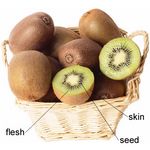
IN FRUIT .nbsp;[countable] American English one of the small hard objects in a fruit such as an apple or orange, from which new fruit trees grow
SYN pip British English
3. seeds of something written something that makes a new situation start to grow and develop
seeds of change/victory
The seeds of change in Eastern Europe were beginning to emerge.
seeds of doubt/disaster/destruction etc (=something which makes a bad feeling or situation develop)
Something Lucy said began to sow seeds of doubt in his mind.
4. go/run to seed
a. if a plant or vegetable goes or runs to seed, it starts producing flowers and seeds as well as leaves
b. if someone or something goes or runs to seed, they become less attractive or good, especially because they are getting old and have not been properly looked after:
The old central bus station is going to seed.
5. number one/two/three etc seed [countable] a player or team in a competition that is given a particular position, according to how likely they are to win:
He’s been top seed for the past two years.
6. SEX [uncountable] biblical semen or sperm – often used humorously
7. FAMILY [uncountable] biblical the group of people who have a particular person as their father, grandfather etc, especially when they form a particular race
■ verbs
▪plant/sow seeds (=put them in the soil) Sow the seeds in trays or pots.
▪grow something from seed (=grow a plant from a seed rather than buying it as a small plant) You can grow most vegetables from seed.
▪seeds germinate (=start to grow) The seeds should start to germinate after a few days.
■ NOUN + seed
▪flower/sunflower/tomato etc seeds I bought a packet of poppy seeds.
▪grass seed You can sprinkle grass seed over any gaps in the lawn.
seed2 verb
1. [transitive] to remove seeds from fruit or vegetables:
Add one lime, seeded and sliced.
2. [transitive usually passive] to give a player or team in a competition a particular position, according to how likely they are to win:
Sharapova was seeded fifth at Wimbledon.
3. [transitive usually passive] to plant seeds in the ground:
a newly seeded lawn
4. [intransitive] to produce seeds
5. seed itself if a tree or plant seeds itself, it produces a new plant using its own seeds
| I |
noun Language: Old English
Origin: sæd
1. PLANTS Origin: sæd
a. [uncountable and countable] a small hard object produced by plants, from which a new plant of the same kind grows:
plant/sow seeds (=put them in the soil)
grow something from seed
b. [uncountable] a quantity of seeds:
2.
IN FRUIT .nbsp;[countable] American English one of the small hard objects in a fruit such as an apple or orange, from which new fruit trees grow
SYN pip British English
3. seeds of something written something that makes a new situation start to grow and develop
seeds of change/victory
seeds of doubt/disaster/destruction etc (=something which makes a bad feeling or situation develop)
4. go/run to seed
a. if a plant or vegetable goes or runs to seed, it starts producing flowers and seeds as well as leaves
b. if someone or something goes or runs to seed, they become less attractive or good, especially because they are getting old and have not been properly looked after:
5. number one/two/three etc seed [countable] a player or team in a competition that is given a particular position, according to how likely they are to win:
6. SEX [uncountable] biblical semen or sperm – often used humorously
7. FAMILY [uncountable] biblical the group of people who have a particular person as their father, grandfather etc, especially when they form a particular race
| COLLOCATIONS |
▪
▪
▪
■ NOUN + seed
▪
▪
| II |
verb1. [transitive] to remove seeds from fruit or vegetables:
2. [transitive usually passive] to give a player or team in a competition a particular position, according to how likely they are to win:
3. [transitive usually passive] to plant seeds in the ground:
4. [intransitive] to produce seeds
5. seed itself if a tree or plant seeds itself, it produces a new plant using its own seeds
Animals 动物
animals mate/breed/reproduce/feed (on sth) 动物交配/繁育/繁殖/以…为食 fish/amphibians swim/spawn (= lay eggs)鱼/两栖动物游动/产卵 birds fly/migrate/nest/sing 鸟飞翔/迁徙/筑巢/啼叫 insects crawl/fly/bite/sting 昆虫爬/飞/咬/叮 insects/bees/locusts swarm 昆虫/蜜蜂/蝗虫成群地飞来飞去 bees collect/gather nectar/pollen蜜蜂采蜜/花粉 spiders spin/weave a web蜘蛛结网/织网 snakes/lizards shed their skins 蛇/蜥蜴蜕皮 bears/hedgehogs/frogs hibernate 熊/刺猬/青蛙冬眠 insect larvae grow/develop/pupate 昆虫的幼虫生长/发育/化蛹 an egg/a chick/a larva hatches 卵孵化;小鸡出壳;幼虫孵出 attract/find/choose a mate吸引/找到/选择配偶 produce/release eggs/sperm产卵;排卵;产生/释放精子 lay/fertilize/incubate/hatch eggs产卵;使卵受精;孵卵 inhabit a forest/a reef/the coast栖居于森林/礁石/海岸 mark/enter/defend (a) territory标出/进入/保卫领地 stalk/hunt/capture/catch/kill prey悄悄接近/猎杀/捕获/杀死猎物
Plants and fungi 植物和真菌
trees/plants grow/bloom/blossom/flower 树木/植物生长/开花 a seed germinates/sprouts 种子发芽 leaves/buds/roots/shoots appear/develop/form 叶子/花蕾/根茎/幼苗长出来/长大/成形 flower buds swell/open 花蕾含苞欲放/绽放 a fungus grows/spreads/colonizes sth 菌类生长/扩散/长满… pollinate/fertilize a flower/plant给花/植物授粉 produce/release/spread/disperse pollen/seeds/spores长出/传播花粉/种子/孢子 produce/bear fruit结果 develop/grow/form roots/shoots/leaves长出根茎/嫩芽/叶子 provide/supply/absorb/extract/release nutrients提供/吸收/提取/释放营养物 perform/increase/reduce photosynthesis进行/增加/减少光合作用
Bacteria and viruses 细菌和病毒
bacteria/microbes/viruses grow/spread/multiply 细菌/微生物/病毒生长/扩散/繁殖 bacteria/microbes live/thrive in/on sth细菌/微生物在…中存活/大量生长 bacteria/microbes/viruses evolve/colonize sth/cause disease 细菌/微生物/病毒进化/长满…/引发疾病 bacteria break sth down/convert sth (into sth) 细菌(将某物)分解/转化(成某物) a virus enters/invades sth/the body病毒进入/侵入某物/身体 a virus mutates/evolves/replicates (itself) 病毒变异/演化/(自我)复制 be infected with/contaminated with/exposed to a new strain of a virus/drug-resistant bacteria感染上/接触到一种新病毒/抗药性细菌 contain/carry/harbour/ ( especially
harbor bacteria/a virus带有细菌/病毒 kill/destroy/eliminate harmful/deadly bacteria杀灭有害的/致命的细菌
