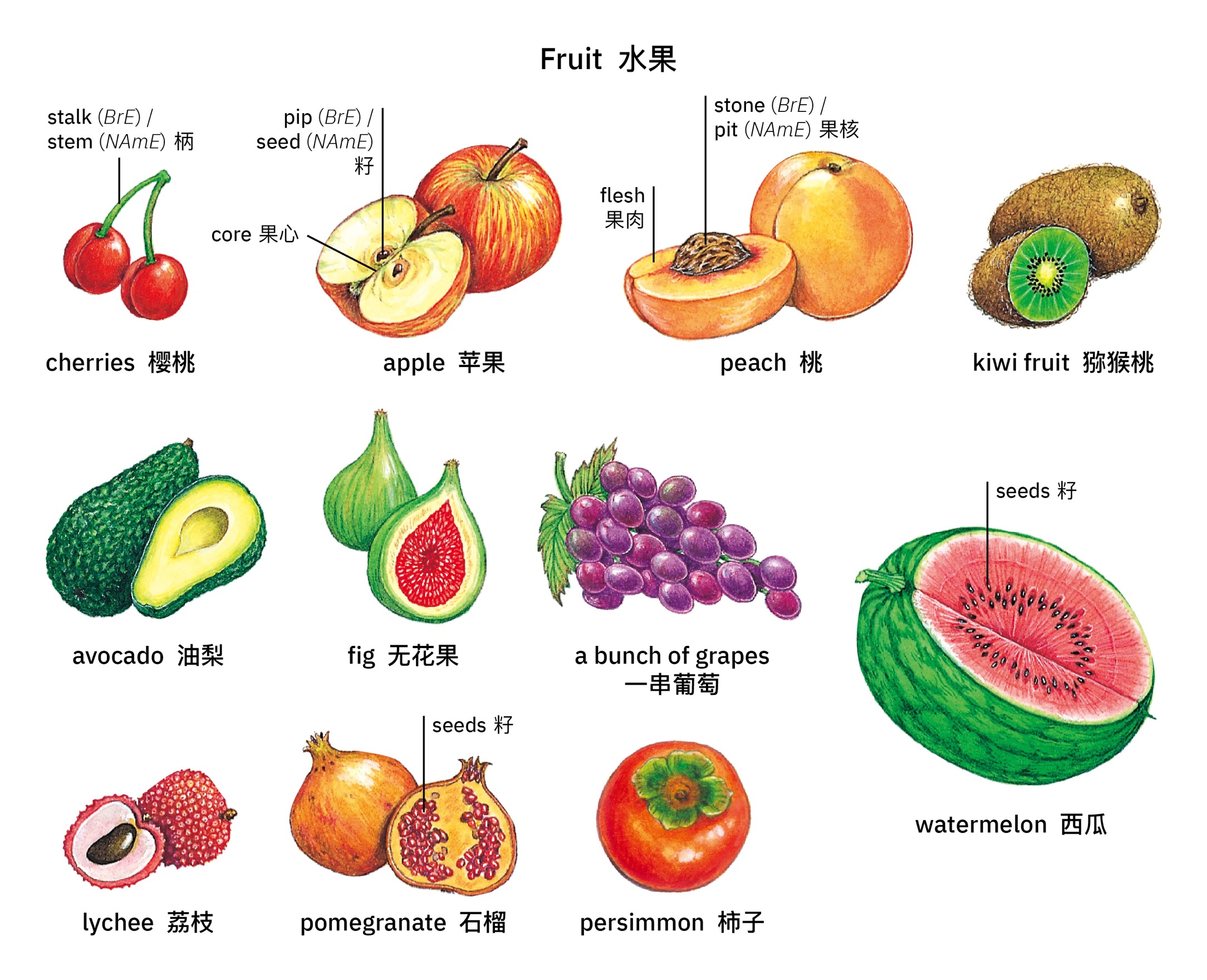
stalk
Longman Dictionary of Contemporary English 5++LDOCE 5++stalk1 /stɔːk $ stɒːk/ noun [countable] 1  HBPa long narrow part of a plant that supports leaves, fruits, or flowers 〔植物的〕茎,柄,梗 celery stalks 芹菜茎 →5 see picture at 见图 tree2. DTHIN OBJECT OR MATERIALa thin upright object 柄状物3. somebody’s eyes are out on stalks British English informalSURPRISEDSHOCK if your eyes are out on stalks, you are very surprised or shocked 某人眼珠子都要掉出来了〔形容非常吃惊或震惊〕
HBPa long narrow part of a plant that supports leaves, fruits, or flowers 〔植物的〕茎,柄,梗 celery stalks 芹菜茎 →5 see picture at 见图 tree2. DTHIN OBJECT OR MATERIALa thin upright object 柄状物3. somebody’s eyes are out on stalks British English informalSURPRISEDSHOCK if your eyes are out on stalks, you are very surprised or shocked 某人眼珠子都要掉出来了〔形容非常吃惊或震惊〕Examples from the Corpus
stalk• But tonight he would like to have something equivalent to a stalk of bananas to purchase, circa 1910.• The column stalks are fine: indicators, lights and horn on the left, wipers on the right.• Two flowers usually develop on each stalk.• One parent plant can provide up to twenty new ones from four to five stalks during the vegetative period.• If possible, flowers from different floral stalks should be used.• He was now holding long stalks of fresh herbs which he dipped into the Holy Water.• Put the mushrooms to one side and chop the stalks.• Peel and quarter the stalks lengthways.• The next time up the stalk, Jack stole a hen that laid golden eggs.stalk2 verb 1 [transitive]FOLLOW to follow a person or animal quietly in order to catch and attack or kill them 〔为捉住并袭击或杀死某人或某动物而〕悄悄地跟踪,潜近 → shadow a tiger stalking its prey 一只悄悄跟踪猎物的老虎 We know the rapist stalks his victims at night. 我们知道那个强奸犯在夜间偷偷地跟踪受害人。► see thesaurus at follow2 [transitive] to follow and watch someone over a long period of time in a way that is very annoying or threatening, and that is considered a crime in some places 〔以令人讨厌或生畏的方式〕跟踪,盯梢 She was stalked by an obsessed fan. 她被一名痴迷的崇拜者跟踪。3 [intransitive always + adverb/preposition]WALK to walk in a proud or angry way, with long steps 〔高傲或气愤地〕高视阔步地走,大踏步走stalk out/off/away Yvonne turned and stalked out of the room in disgust. 伊冯娜转过身,厌恶地大步走出房间。4 [transitive] literary if something bad stalks a place, you see or feel it everywhere in that place 〔不好的气氛〕笼罩,蔓延 Fear stalks every dark stairwell and walkway. 恐惧笼罩着每个黑暗的楼梯井和走道。→ See Verb tableExamples from the Corpus
stalk• The cats stalked a paper bag.• I stalked amongst the booths and ramshackle dwellings built against the wall.• Crocodiles have been known to actively stalk and kill humans.• Sheffield was forced to move because he was stalked for two to three months early last season.• The killer would stalk his victim, overpower her and then brutally murder her.• The House Committee on Assassinations found in 1978 that you stalked my father for over a year?• She stalked off across the road, her hat jammed firmly on her head and her mouth set in a mutinous line.• Polar bears stalk seals that are resting on the ice.• History stalks the Kremlin: Khrushchev fell 25 years ago, and the parallels with today are stark.• Thus stereotypes that had confidently been buried with stakes through their hearts rose up to stalk women once more.• Police are making more effort to catch criminals who stalk women.stalk out/off/away• Finally, my temper spent, I stalked away.• She stalked off across the road, her hat jammed firmly on her head and her mouth set in a mutinous line.• She waited until it had stalked away before picking up the remains of the Geiger-Muller counter and dropping them into the holdall.• She stalks out of the locker room and into a knot of sports reporters.• Yvonne turned and stalked out of the room in disgust.• With that, he stalked out of the room.• Jody stalked off the court looking for the culprits.• She stalked off to her trailer, but he could see by her walk that she was feeling better.• I turned and stalked away to the servants' quarters.Origin stalk1 (1300-1400) Perhaps from stale “step of a ladder, long handle” ((11-19 centuries)), from Old English stalu stalk2 Old English bestealcianstalk1 nounstalk2 verbChinese
a of a plant narrow Corpus part that long
See ldoce4188jpg for more
See ldoce4312jpg for more
stalk
stalk1 /stɔːk $ stɒːk/ 
 noun [countable]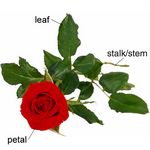
1. a long narrow part of a plant that supports leaves, fruits, or flowers:

celery stalks
2. a thin upright object
3. sb’s eyes are out on stalks British English informal if your eyes are out on stalks, you are very surprised or shocked
stalk2 verb
a tiger stalking its prey
We know the rapist stalks his victims at night.
2. [transitive] to follow and watch someone over a long period of time in a way that is very annoying or threatening, and that is considered a crime in some places:
She was stalked by an obsessed fan.
3. [intransitive always + adverb/preposition] to walk in a proud or angry way, with long steps
stalk out/off/away
Yvonne turned and stalked out of the room in disgust.
4. [transitive] literary if something bad stalks a place, you see or feel it everywhere in that place:
Fear stalks every dark stairwell and walkway.
▪ follow to walk, drive etc behind or after someone, for example in order to see where they are going: The man had followed her home to find out where she lived. | Follow that car! | He hired a detective to follow her.
▪chase to quickly run or drive after someone or something in order to catch them when they are trying to escape: Police chased the car along the motorway at speeds of up to 90 mph.
▪run after somebody/go after somebody to quickly follow someone or something in order to stop them or talk to them: I ran after him to say sorry, but he’d already got on the bus.
▪stalk /stɔːk $ stɒːk/ to secretly follow an animal in order to kill it, or to secretly follow a person in order to attack them: a tiger stalking its prey | He had a long history of stalking women in his neighbourhood.
▪pursue /pəˈsjuː $ pərˈsuː/ written to chase someone in a very determined way: The ship was being pursued by enemy submarines.
▪give chase written to chase someone or something who is trying to escape from you: One of the officers gave chase and arrested the man. | The calf ran away and the lion gave chase.
▪tail to secretly follow someone in order to watch what they do and where they go: Apparently, the police had been tailing the terrorists for months.
▪track to follow and find a person or animal by looking at the marks they leave on the ground: The bushmen were tracking antelope in the Kalahari desert.
| I |
noun [countable] Date: 1300-1400
Origin: Perhaps from stale 'step of a ladder, long handle' (11-19 centuries), from Old English stalu
Origin: Perhaps from stale 'step of a ladder, long handle' (11-19 centuries), from Old English stalu
1. a long narrow part of a plant that supports leaves, fruits, or flowers:
2. a thin upright object
3. sb’s eyes are out on stalks British English informal if your eyes are out on stalks, you are very surprised or shocked
| II |
verb Language: Old English
Origin: bestealcian
1. [transitive] to follow a person or animal quietly in order to catch and attack or kill them ⇨ shadow:Origin: bestealcian
2. [transitive] to follow and watch someone over a long period of time in a way that is very annoying or threatening, and that is considered a crime in some places:
3. [intransitive always + adverb/preposition] to walk in a proud or angry way, with long steps
stalk out/off/away
4. [transitive] literary if something bad stalks a place, you see or feel it everywhere in that place:
| THESAURUS |
▪
▪
▪
▪
▪
▪
▪