strawberry
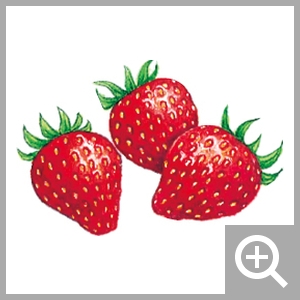
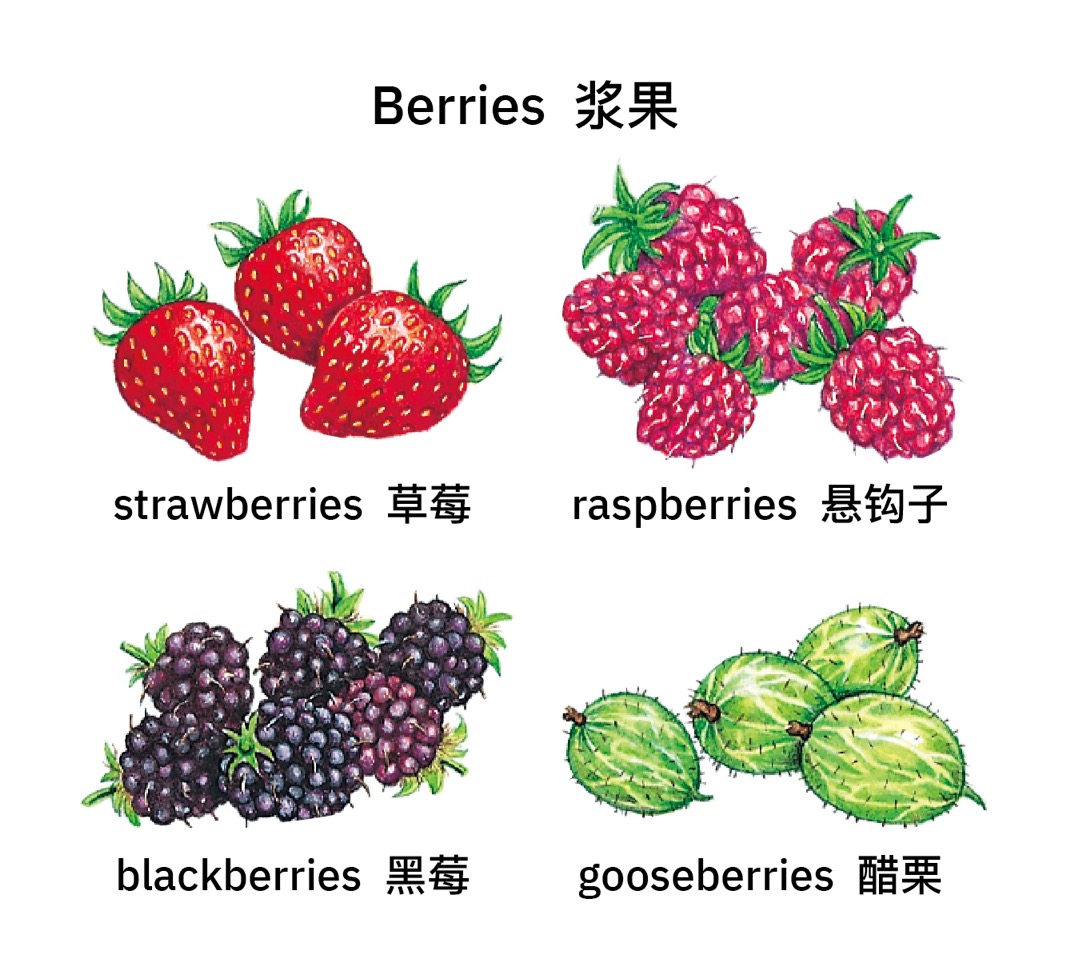
Longman Dictionary of Contemporary English 5++LDOCE 5++straw·ber·ry /ˈstrɔːbəri $ ˈstrɒːberi, -bəri/ ●●● S3 noun (plural strawberries) [countable]  HBPDFa soft red juicy fruit with small seeds on its surface, or the plant that grows this fruit 草莓 →5 see picture at 见图 fruit1
HBPDFa soft red juicy fruit with small seeds on its surface, or the plant that grows this fruit 草莓 →5 see picture at 见图 fruit1Examples from the Corpus
strawberry• It was a strawberry cake or a custard cake.• Most alpine strawberry varieties don't produce runners, a bane for gardeners who want to keep their berry patch under control.• Two 2.5-litre tubs of yogurt cost £11 and are available in chocolate, vanilla, peach Melba, lemon and strawberry flavours.• Everything was here, dogwood, holly, cherry, buckthorn, sloe and even strawberry.• Place sandwiches on a plate and garnish with a sliced strawberry or mint leaves.• She was accused of being a Salem witch for selling her soul to the devil at the strawberry banks.• However, you may find that all you need to do is gently wipe the strawberries with absorbent kitchen paper.• Horseradish was used for coughs and colds, wild strawberry for anaemia and nervousness and honeysuckle was the first example of aspirin.Origin strawberry Old English streawberige, from streaw ( → STRAW) + berige “berry”; perhaps because the seeds look like small pieces of strawstraw·ber·ry nounChineseSyllable
Corpus with juicy a red fruit soft small
See ldoce4188jpg for more
strawberry
straw‧ber‧ry S3 /ˈstrɔːbəri $ ˈstrɒːberi, -bəri/
 noun (plural strawberries) [countable]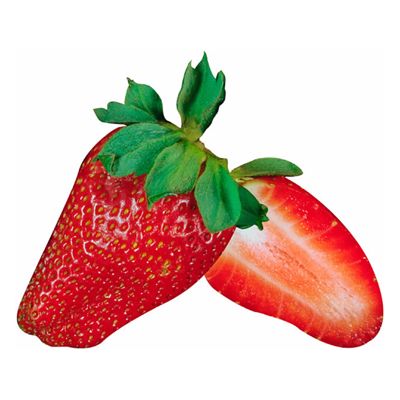
a soft red juicy fruit with small seeds on its surface, or the plant that grows this fruit
straw‧ber‧ry S3 /ˈstrɔːbəri $ ˈstrɒːberi, -bəri/
noun (plural strawberries) [countable] Language: Old English
Origin: streawberige, from streaw ( ⇨ straw) + berige 'berry'; perhaps because the seeds look like small pieces of straw
Origin: streawberige, from streaw ( ⇨ straw) + berige 'berry'; perhaps because the seeds look like small pieces of straw
a soft red juicy fruit with small seeds on its surface, or the plant that grows this fruit