tart
Longman Dictionary of Contemporary English 5++LDOCE 5++tart1 /tɑːt $ tɑːrt/ noun 1  [countable, uncountable]DF a pie without a top on it, containing something sweet 〔顶部不用面皮密封的〕甜馅饼apple/treacle/jam etc tart 苹果馅/糖浆馅/果酱馅等甜馅饼► see thesaurus at taste →5 see picture at 见图 dessert2. [countable] informalSYSEX/HAVE SEX WITH an insulting word for a woman who you think is too willing to have sex 荡妇,骚货3. [countable] informalSYSEX/HAVE SEX WITH a prostitute 妓女
[countable, uncountable]DF a pie without a top on it, containing something sweet 〔顶部不用面皮密封的〕甜馅饼apple/treacle/jam etc tart 苹果馅/糖浆馅/果酱馅等甜馅饼► see thesaurus at taste →5 see picture at 见图 dessert2. [countable] informalSYSEX/HAVE SEX WITH an insulting word for a woman who you think is too willing to have sex 荡妇,骚货3. [countable] informalSYSEX/HAVE SEX WITH a prostitute 妓女Examples from the Corpus
tart• Chill tart until ready to serve.-0-.• I ate my custard tart like this.• To use as a filling, drain the fruit and fill crepes or individual tarts.• Cream of the crop: custard topping adds a crafty touch to Pear tart.• That tart Kat would do for starters.• They were buying Eccles cakes and treacle tart and currant buns and iced tarts with bright-red cherries on top.• He hoped she wouldn't find the sausage and the treacle tart.apple/treacle/jam etc tart• To top things off is an apple tart with caramelized walnuts, and I barely have enough room for my cappuccino.• They were buying Eccles cakes and treacle tart and currant buns and iced tarts with bright-red cherries on top.• As he took it off he remembered the sausage and treacle tart in his pocket.• A white cloth was spread on the table, homemade bread and jam, a fresh apple tart.• Harriet played in tennis doubles and her public school boyfriends crowded in to eat her jam tarts.• She wrote to say that she likes apple tart.• He'd left his sausage and the square of treacle tart she'd put out for his pudding.tart2 adjective 1 SOURfood that is tart has a sharp sour taste 酸的 a tart apple 酸苹果► see thesaurus at taste2. tart reply/remark etc UNKINDa reply, remark etc that is sharp and unkind 尖刻的回答/话语等 —tartly adverb ‘I don’t think so!’ she replied tartly. “我不这么认为!”她尖刻地回答道。 —tartness noun [uncountable]Examples from the Corpus
tart• Red currants are quite tart and usually need sugar or honey.• The Cointreau adds some sweetness, but the cranberry juice is tart as well so the overall effect is a tart drink.• This tart citrus dressing is great on salads.• The girl with the tart tongue?tart3 verb 1 tart something ↔ up phrasal verb British English informal a) DECORATEto try to make something more attractive by decorating it, often in a way that other people think is cheap or ugly 把…装饰得俗丽 We’ll need to tart the place up a bit. 我们需要把这里稍稍装饰一下。b) BEAUTIFUL/GOOD-LOOKING tart yourself up/get tarted up if a woman tarts herself up or gets tarted up, she tries to make herself look attractive by putting on nice clothes, make-up etc – often used humorously 〔女性〕打扮自己〔常为幽默用法〕 She got all tarted up for the party. 她打扮得花枝招展,准备去参加聚会。→ See Verb tableOrigin tart1 1. (1300-1400) Old French tarte; 2. probably partly from sweetheart tart2 Old English teart “sharp, severe”on without Corpus top a it, a something pie containing
tart
tart1 /tɑːt $ tɑːrt/ 
 noun
noun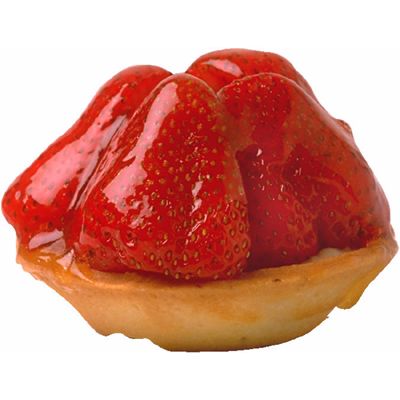
1. [uncountable and countable] a pie without a top on it, containing something sweet
apple/treacle/jam etc tart
2. [countable] informal an insulting word for a woman who you think is too willing to have sex
3. [countable] informal a prostitute
■ describing the taste of something
▪delicious having a very good taste: This cake is delicious! | a delicious meal
▪disgusting/revolting having a very bad taste: The medicine tasted disgusting. | They had to eat revolting things, like fish eyes.
▪sweet tasting full of sugar: The oranges were very sweet.
▪tasty especially spoken tasting good and with plenty of flavour: She cooked us a simple but tasty meal. | That was really tasty!
▪sour/tart having a taste that stings your tongue slightly, like lemon does – used especially when this is rather unpleasant: The apples were a little sour. | The wine has rather a tart taste, which not everyone will like.
▪tangy having a taste that stings your tongue slightly, like lemon does, in a way that seems good: The dressing was nice and tangy.
▪bitter having a strong taste which is not sweet and is sometimes rather unpleasant – used for example about black coffee, or chocolate without sugar: bitter chocolate | The medicine had rather a bitter taste. | Hops give beer its distinctive bitter taste.
▪salty containing a lot of salt: Danish salami has a salty flavour.
▪hot/spicy having a burning taste because it contains strong spices: I love hot curries. | a spicy tomato sauce
▪piquant /ˈpiːkənt/ formal a little spicy – used especially by people who write about food. This word can sound rather pretentious in everyday conversation: cooked vegetables in a piquant sauce
▪mild not having a strong or hot taste – usually used about foods that can sometimes be spicy: a mild curry
▪bland not having an interesting taste: I found the sauce rather bland.
tart2 adjective

a tart apple
2. tart reply/remark etc a reply, remark etc that is sharp and unkind
—tartly adverb:
‘I don’t think so!’ she replied tartly.
—tartness noun [uncountable]
▪ bitter having a strong sharp taste that is not sweet, like black coffee without sugar - used especially about chocolate, medicine etc: The dessert is made with a slightly bitter chocolate. | Hops give beer its distinctive bitter taste. | The medicine tasted bitter. | As the lettuce gets older, the leaves become more bitter.
▪sharp having a taste that makes your tongue sting slightly: Rhubarb has quite a sharp taste. | The cheese has a pleasing colour and a pleasantly sharp flavour.
▪sour having a usually unpleasant sharp acid taste, like the taste of a lemon, or a fruit that is not ready to be eaten – used especially about fruit, or about liquids that have gone bad: Some people say that the purpose of the lemon’s sour taste is to stop the fruit being eaten by animals. | Rachel sampled the wine. It was sour.
▪acidic very sour – used especially about liquids or things made with fruits such as oranges, lemons, or grapes: Some fruit juices taste a bit acidic.
▪tangy having a taste that is pleasantly strong or sharp, and that often tastes a little sweet as well: The ribs are cooked in a tangy barbecue sauce.
▪tart having a taste that lacks sweetness – used especially about fruit such as apples, which you need to add sugar to: The pudding had rather a tart flavour. | The trees were covered with tart wild plums.
tart3 verb
tart something ↔ up phrasal verb British English informal
1. to try to make something more attractive by decorating it, often in a way that other people think is cheap or ugly:
We’ll need to tart the place up a bit.
2. tart yourself up/get tarted up if a woman tarts herself up or gets tarted up, she tries to make herself look attractive by putting on nice clothes, make-up etc – often used humorously:
She got all tarted up for the party.
| I |
noun Date: 1300-1400
Language: Old French
Origin: tarte;
Language: Old French
Origin: tarte;
Sense 2-3
Origin: probably partly from sweetheart1. [uncountable and countable] a pie without a top on it, containing something sweet
apple/treacle/jam etc tart
2. [countable] informal an insulting word for a woman who you think is too willing to have sex
3. [countable] informal a prostitute
| THESAURUS |
▪
▪
▪
▪
▪
▪
▪
▪
▪
▪
▪
▪
| II |
adjective Language: Old English
Origin: teart 'sharp, severe'
1. food that is tart has a sharp sour taste:Origin: teart 'sharp, severe'
2. tart reply/remark etc a reply, remark etc that is sharp and unkind
—tartly adverb:
—tartness noun [uncountable]
| THESAURUS |
▪
▪
▪
▪
▪
| III |
verbtart something ↔ up phrasal verb British English informal
1. to try to make something more attractive by decorating it, often in a way that other people think is cheap or ugly:
2. tart yourself up/get tarted up if a woman tarts herself up or gets tarted up, she tries to make herself look attractive by putting on nice clothes, make-up etc – often used humorously:
Eating out 去餐馆吃饭
eat (lunch/dinner)/dine/meet at/in a restaurant在一家餐馆吃(午/晚)饭/进餐/碰面 go (out)/take sb (out) for lunch/dinner/a meal去/带某人去(外面)吃午饭/吃晚饭/用餐 have a meal with sb与某人一起吃饭 make/have a reservation (in/under the name of Yamada)(以山田的名字)预订座位 reserve/ ( especially
BrE book a table for six预订一张坐六人的桌子 ask for/request a table for two/a table by the window要一张两人桌/靠窗的桌子
In the restaurant 在餐馆
wait to be seated等待就座 show sb to their table把某人引到桌旁 sit in the corner/by the window/at the bar/at the counter坐在角落/窗边/吧台边/柜台边 hand sb/give sb the menu/wine list把菜单/酒水单递给某人 open/read/study/peruse the menu打开/看/仔细看菜单 the restaurant has a three-course set menu/a children's menu/an extensive wine list这餐馆有一个三道菜的套餐/儿童菜单/丰富的酒水单 taste/sample/try the wine品尝葡萄酒 the waiter takes your order服务生帮你点餐 order/choose/have the soup of the day/one of the specials/the house( speciality/BrE ( specialtyespecially
NAmE 点当日例汤/一道特色菜/餐馆特色菜 serve/finish the first course/the starter/the main course/dessert/coffee端上/吃完第一道菜/开胃菜/主菜/甜点;端上/喝完咖啡 complain about the food/the service/your meal抱怨食物/服务/饭菜不好 enjoy your meal享用饭菜
Paying 结账
pay/ask for ( the bill/especially
BrE ( the checkNAmE 付账;要求结账 pay for/treat sb to dinner/lunch/the meal付晚饭/午饭/饭钱;请某人吃晚饭/午饭/饭 service is (not) included 不含服务费 give sb/leave (sb) a tip给某人小费
