tea
Longman Dictionary of Contemporary English 5++LDOCE 5++tea /tiː/ ●●● S1 W2 noun 1  drink/leaves 饮料/茶叶 a) DFD[countable, uncountable] a hot brown drink made by pouring boiling water onto the dried leaves from a particular Asian bush, or a cup of this drink 茶;一杯茶 Would you like a cup of tea or coffee? 你想来一杯茶还是咖啡? Do you take milk and sugar in your tea? 你的茶里面要放牛奶和糖吗? I’d like two teas and a piece of chocolate cake, please. 我想要两杯茶和一块巧克力蛋糕。 b) [uncountable]HBPDF dried, finely cut leaves that are used to make tea 茶叶 c) [uncountable] bushes whose leaves are used to make tea 〔植物〕茶,茶树 tea plantations 茶叶种植园2. mint/camomile etc tea DFDa hot drink made by pouring boiling water onto leaves or flowers, sometimes used as a medicine 薄荷茶/甘菊茶等〔用某些叶子或花泡的饮料,有时作药用〕3 meal 餐食 [countable, uncountable] British English a) DFMEALa small meal of cake or biscuits eaten in the afternoon with a cup of tea 下午茶,午后茶点 We serve lunch and afternoon tea. 我们提供午餐和下午茶。 We stopped for a cream tea on the way home (=tea and cream cakes). 回家的路上我们停下来喝了茶吃了奶油蛋糕。 b) MEALused in some parts of Britain to mean a large meal that is eaten early in the evening 〔英国某些地方傍晚时分吃的〕晚餐n We had baked beans on toast for tea. → high tea4. tea and sympathy British EnglishSYMPATHIZE kindness and attention that you give someone when they are upset 〔对不幸者的〕安慰和同情 → not be your cup of tea at cup1n COLLOCATIONSphrasesa cup/mug of teaWould you like a cup of tea?a pot of teaShall I make a pot of tea?adjectiveshotThe tea was too hot to drink.sweetI poured Helen a mug of sweet tea and waited for her to answer. strongYou've made the tea too strong.weakYou have your tea weak, don't you Chris?black (=without milk)I ordered black tea and toast.white (=with milk)Two white teas and a coffee, please.milky (=with a lot of milk)I don't like my tea so milky.verbsdrink teaSusan sank into her chair and drank her tea.pour teaShe poured the tea and handed a cup to Cara.
drink/leaves 饮料/茶叶 a) DFD[countable, uncountable] a hot brown drink made by pouring boiling water onto the dried leaves from a particular Asian bush, or a cup of this drink 茶;一杯茶 Would you like a cup of tea or coffee? 你想来一杯茶还是咖啡? Do you take milk and sugar in your tea? 你的茶里面要放牛奶和糖吗? I’d like two teas and a piece of chocolate cake, please. 我想要两杯茶和一块巧克力蛋糕。 b) [uncountable]HBPDF dried, finely cut leaves that are used to make tea 茶叶 c) [uncountable] bushes whose leaves are used to make tea 〔植物〕茶,茶树 tea plantations 茶叶种植园2. mint/camomile etc tea DFDa hot drink made by pouring boiling water onto leaves or flowers, sometimes used as a medicine 薄荷茶/甘菊茶等〔用某些叶子或花泡的饮料,有时作药用〕3 meal 餐食 [countable, uncountable] British English a) DFMEALa small meal of cake or biscuits eaten in the afternoon with a cup of tea 下午茶,午后茶点 We serve lunch and afternoon tea. 我们提供午餐和下午茶。 We stopped for a cream tea on the way home (=tea and cream cakes). 回家的路上我们停下来喝了茶吃了奶油蛋糕。 b) MEALused in some parts of Britain to mean a large meal that is eaten early in the evening 〔英国某些地方傍晚时分吃的〕晚餐n We had baked beans on toast for tea. → high tea4. tea and sympathy British EnglishSYMPATHIZE kindness and attention that you give someone when they are upset 〔对不幸者的〕安慰和同情 → not be your cup of tea at cup1n COLLOCATIONSphrasesa cup/mug of teaWould you like a cup of tea?a pot of teaShall I make a pot of tea?adjectiveshotThe tea was too hot to drink.sweetI poured Helen a mug of sweet tea and waited for her to answer. strongYou've made the tea too strong.weakYou have your tea weak, don't you Chris?black (=without milk)I ordered black tea and toast.white (=with milk)Two white teas and a coffee, please.milky (=with a lot of milk)I don't like my tea so milky.verbsdrink teaSusan sank into her chair and drank her tea.pour teaShe poured the tea and handed a cup to Cara.Examples from the Corpus
tea• What's for tea?• Now go and nick something for tea.• The children came home from school, had tea and did their homework.• When he had finished his tea, he slowly climbed the staircase.• How about a cup of tea?• And now for a cup of tea, she thought, stepping out to wind a large bath towel around her nakedness.• She was given no food, just a cup of tea and water.• During the day I drink only mineral water, fresh fruit juice, coffee or tea.• He only sat down after Ellie served the tea.• We mixed the henna powder with tea, as directed.cream tea• Here we indulged in a cream tea, no calorie counting at all!• After this highlight we cycled on roads back to base and to a cream tea in Dorchester.• The licensed Barn Restaurant is open for delicious home-cooked cakes, coffee, lunches and cream teas.• They competed to see who could eat most in the hotel restaurant and gorged themselves on Cornish cream teas.• Devon - Devonshire cream, cream teas, cider.• Lunches, cream teas, special dinners in gardens or unique Winery Restaurant.• Take cream tea on the lawn and the owner, Julian Peck, will serve you himself.• An intermission was filled with several games of bingo and the day was rounded off with cream tea.Origin tea (1600-1700) Chinese tetea noun →n COLLOCATIONS1LDOCE OnlineChinese
by Corpus pouring made a drink brown hot
tea
tea S1 W2 /tiː/
 noun
noun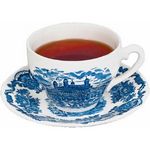
1. DRINK/LEAVES
a. [uncountable and countable] a hot brown drink made by pouring boiling water onto the dried leaves from a particular Asian bush, or a cup of this drink:

Would you like a cup of tea or coffee?
Do you take milk and sugar in your tea?
I’d like two teas and a piece of chocolate cake, please.
b. [uncountable] dried, finely cut leaves that are used to make tea
c. [uncountable] bushes whose leaves are used to make tea:
tea plantations
2. mint/camomile etc tea a hot drink made by pouring boiling water onto leaves or flowers, sometimes used as a medicine
3. MEAL [uncountable and countable] British English
a. a small meal of cake or biscuits eaten in the afternoon with a cup of tea:
We serve lunch and afternoon tea.
We stopped for a cream tea on the way home (=tea and cream cakes).
b. used in some parts of Britain to mean a large meal that is eaten early in the evening ⇨ high tea
4. tea and sympathy British English kindness and attention that you give someone when they are upset
⇨ not be your cup of tea at cup1
■ phrases
▪a cup/mug of tea Would you like a cup of tea?
▪a pot of tea Shall I make a pot of tea?
■ adjectives
▪hot The tea was too hot to drink.
▪sweet I poured Helen a mug of sweet tea and waited for her to answer.
▪strong You've made the tea too strong.
▪weak You have your tea weak, don't you Chris?
▪black (=without milk) I ordered black tea and toast.
▪white (=with milk) Two white teas and a coffee, please.
▪milky (=with a lot of milk) I don't like my tea so milky.
■ verbs
▪drink tea Susan sank into her chair and drank her tea.
▪pour tea She poured the tea and handed a cup to Cara.
■ types of meal
▪breakfast a meal that you eat in the morning
▪brunch a meal that you eat in the late morning, instead of breakfast or lunch
▪lunch a meal that you eat in the middle of the day
▪tea British English a meal that you eat in the afternoon or evening
▪dinner the main meal of the day, which most people eat in the evening
▪supper a small meal that you eat in the evening, in British English; the main meal that you eat in the evening, in American English
▪picnic a meal that you eat outdoors, consisting of food that you cooked or prepared earlier
▪barbecue a meal that you cook outdoors over hot coals or wood and eat outdoors
▪snack a small amount of food that is eaten between main meals or instead of a meal
▪side dish food eaten with the main course, such as vegetables: I’ll have the salad as a side dish.
▪course one of the separate parts of a meal, such as the starter or the dessert: a three-course meal
tea S1 W2 /tiː/
noun Date: 1600-1700
Language: Chinese
Origin: te
Language: Chinese
Origin: te
1. DRINK/LEAVES
a. [uncountable and countable] a hot brown drink made by pouring boiling water onto the dried leaves from a particular Asian bush, or a cup of this drink:
b. [uncountable] dried, finely cut leaves that are used to make tea
c. [uncountable] bushes whose leaves are used to make tea:
2. mint/camomile etc tea a hot drink made by pouring boiling water onto leaves or flowers, sometimes used as a medicine
3. MEAL [uncountable and countable] British English
a. a small meal of cake or biscuits eaten in the afternoon with a cup of tea:
b. used in some parts of Britain to mean a large meal that is eaten early in the evening ⇨ high tea
4. tea and sympathy British English kindness and attention that you give someone when they are upset
⇨ not be your cup of tea at cup1
| COLLOCATIONS |
▪
▪
■ adjectives
▪
▪
▪
▪
▪
▪
▪
■ verbs
▪
▪
| THESAURUS |
▪
▪
▪
▪
▪
▪
▪
▪
▪
▪
▪
People use the words dinner ,lunch ,supper andtea in different ways depending on which English-speaking country they come from. In Britain it may also depend on which part of the country or which social class a person comes from.来自不同英语国家的人使用 dinner、lunch、supper 和 tea 的方式各不相同。在英国,这些词的用法按某人来自的地区和社会阶层而有所区别。 A meal eaten in the middle of the day is usually called lunch . If it is the main meal of the day it may also be calleddinner inBrE 午餐通常叫作 lunch,但在英式英语中,尤其在英国北部,如果是一天的主餐,亦可叫作 dinner。 A main meal eaten in the evening is usually called dinner , especially if it is a formal meal.Supper is also an evening meal, but more informal thandinner and usually eaten at home. It can also be a late meal or something to eat and drink before going to bed.晚上的主餐,尤其是正式用餐,通常叫作 dinner。supper 亦为晚餐,但不如 dinner 正式,而且一般在家里吃,亦可指较晚的晚餐或睡前夜宵。 In BrE tea is a light meal in the afternoon with sandwiches, cakes, etc. and a cup of tea.在英式英语中,tea 指下午的茶点,包括三明治、糕点等和一杯茶 :◆ a cream tea 奶油茶点 It can also be a main meal eaten early in the evening, especially by children. * tea 亦可指傍晚主餐,尤指孩子傍晚食用的 :◆ What time do the kids have their tea? 孩子们什么时候用傍晚主餐? As a general rule, if dinner is the word someone uses for the meal in the middle of the day, they probably call the meal in the eveningtea orsupper . If they call the meal in the middle of the daylunch , they probably call the meal in the eveningdinner .一般说来,若午餐叫 dinner,晚餐则大多叫 tea 或 supper。如果午餐叫 lunch,晚餐则大多叫 dinner。 Brunch , a combination of breakfast and lunch, is becoming more common, especially as a meal where your guests serve themselves.* brunch 是早餐和午餐合二为一的早午餐,如今日趋普遍,尤为自助餐形式。
