tire
Word family
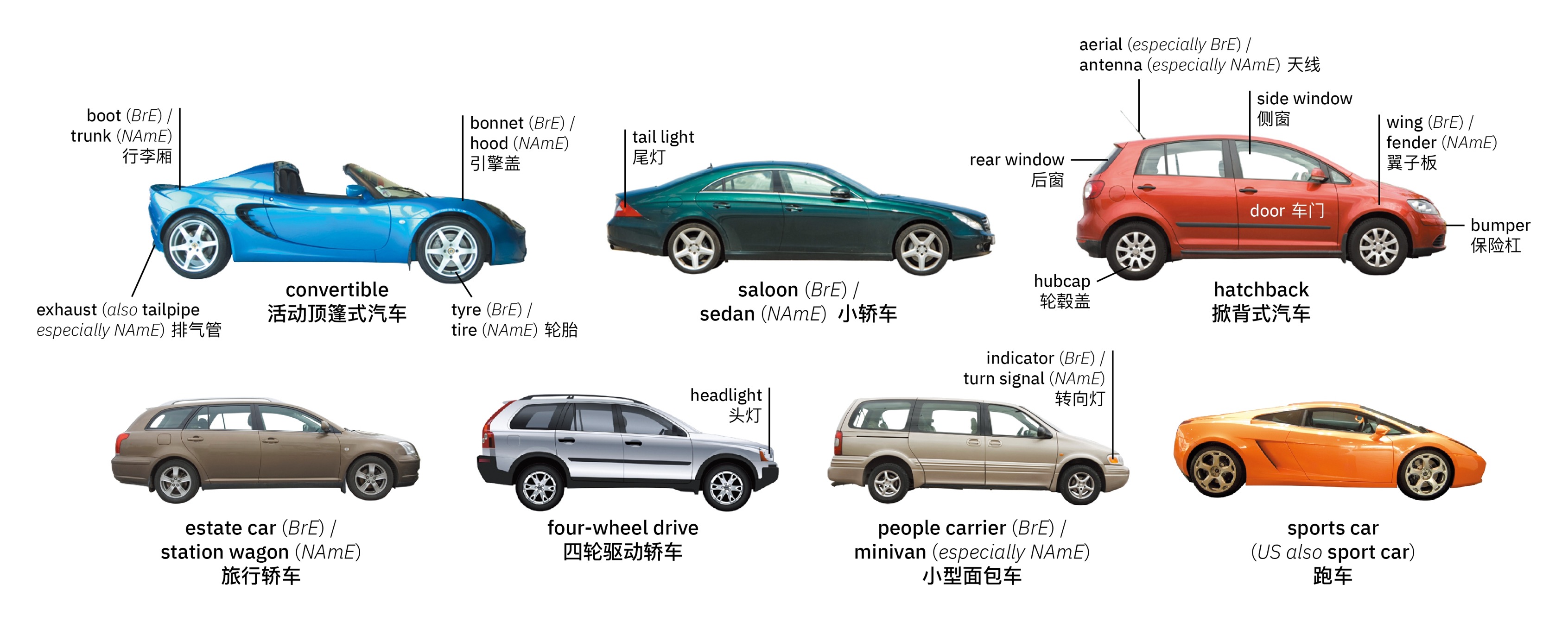
Longman Dictionary of Contemporary English 5++LDOCE 5++tire1 /taɪə $ taɪr/ ●○○ verb 1 [intransitive, transitive]TIRED to start to feel tired, or make someone feel tired (使)感到累,(使)感到疲劳 As we neared the summit, we were tiring fast. 接近山顶时,我们感到越来越累了。 RegisterIn everyday English, people usually say get tired rather than tire: 在日常英语中,人们一般说get tired,而不说tireThe climbers were starting to get tired. 登山者开始觉得累了。 →4 See picture on 见图 Page A2 Car 汽车2 tire of somebody/something phrasal verb a) to become bored with someone or something 对…感到厌烦 Sooner or later he’ll tire of politics. 迟早他会厌倦政治的。b) never tire of doing somethingOFTEN to enjoy doing something again and again, especially in a way that annoys other people 不厌其烦地做某事〔因此令人厌烦〕 He never tires of talking about the good old days. 他总是不厌其烦地谈论过去的好时光。3 tire somebody ↔ out phrasal verb TIREDto make someone very tired 使精疲力竭,使疲劳不堪 SYN exhaust All that walking tired me out. 走了那么多路,把我累坏了。→ See Verb tableExamples from the Corpus
tire• I felt as if I could run all day without tiring.• That coming from him who would go sick with a bad back whenever a job tired him.• I won't tire you with a long visit. I just wanted to stop in and see how you were doing.tire2 noun [countable] 1. TTRthe American spelling of tyre tyre的美式拼法 →5 see picture at 见图 car
Examples from the Corpus
tire• On the concrete floor inside are tire tracks, and skid marks where kids have done wheelies or donuts.• Commission officials said tire burning is not new to Texas.• That can make the tires slippery.• Now the tire companies have fought back.Origin tire1 Old English teorian, tyriantire1 verb →REGISTER1tire2 nounChinese
to tired, make or Corpus someone to feel start
See tyre for more
tire
tire1 /taɪə $ taɪr/ 
 verb
verb

As we neared the summit, we were tiring fast.
REGISTER
In everyday English, people usually say get tired rather than tire:
▪The climbers were starting to get tired.
tire of somebody/something phrasal verb
1. to become bored with someone or something:
Sooner or later he’ll tire of politics.
2. never tire of doing something to enjoy doing something again and again, especially in a way that annoys other people:
He never tires of talking about the good old days.
tire somebody ↔ out phrasal verb
to make someone very tired
SYN exhaust:
All that walking tired me out.
tire2 noun [countable]
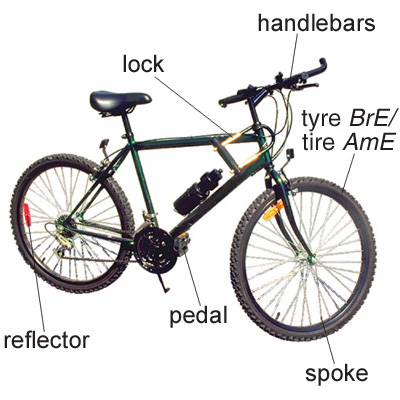
the American spelling of tyre
tyre S3 British English, tire American English /taɪə $ taɪr/ noun [countable]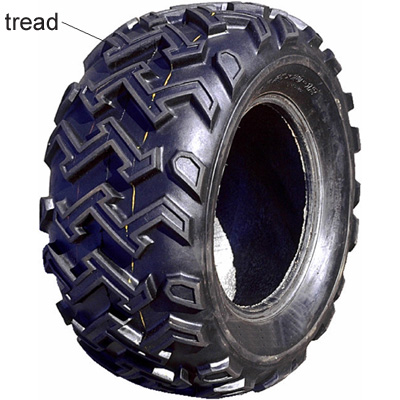
a thick rubber ring that fits around the wheel of a car, bicycle etc:
I had a flat tyre (=all the air went out of it) on the way home.
The spare tyre's in the boot.
front/rear/back tyre
a punctured front tyre ⇨ spare tyre
■ ADJECTIVES/NOUN + tyre
▪a front/rear tyre I bought a set of new front tyres.
▪a flat tyre (=one which the air has come out of) I had a flat tyre and had to walk home.
▪a burst tyre On lap two, Millar suffered a burst tire, which caused him to crash.
▪a bald tyre (=one which has worn smooth) When police officers examined the car, they discovered that it had two bald tyres.
▪a car/lorry/bicycle etc tyre They sell and fit car tyres.
▪a spare tyre Always carry a spare tire.
■ verbs
▪change a tyre I have never changed a tyre or looked under a bonnet.
▪puncture a tyre The tyre had punctured and had to be replaced.
■ tyre + NOUN
▪the tyre pressure (=the force of the air in a tyre) Have you checked the tyre pressure?
▪tyre marks (also tyre tracks ) (=marks left by tyres) There were tire marks on the road close to where the crash happened.
| I |
verb Word Family: adjective: tired, tireless, tiresome, tiring; verb: tire; noun: tiredness; adverb: tirelessly
Language: Old English
Origin: teorian, tyrian
[intransitive and transitive] to start to feel tired, or make someone feel tired:Origin: teorian, tyrian
REGISTER
In everyday English, people usually say get tired rather than tire:
▪
tire of somebody/something phrasal verb
1. to become bored with someone or something:
2. never tire of doing something to enjoy doing something again and again, especially in a way that annoys other people:
tire somebody ↔ out phrasal verb
to make someone very tired
SYN exhaust:
| II |
noun [countable]the American spelling of tyre
| III |
British English, tire American English /taɪə $ taɪr/ noun [countable] Date: 1700-1800
Origin: tire 'metal plates around a cart wheel' (15-19 centuries), probably from tire 'equipment' (14-18 centuries), from attire; ⇨ attire
Origin: tire 'metal plates around a cart wheel' (15-19 centuries), probably from tire 'equipment' (14-18 centuries), from attire; ⇨ attire
a thick rubber ring that fits around the wheel of a car, bicycle etc:
front/rear/back tyre
| COLLOCATIONS |
▪
▪
▪
▪
▪
▪
■ verbs
▪
▪
■ tyre + NOUN
▪
▪