tweezers
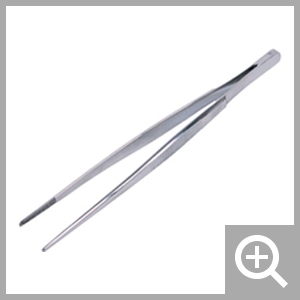
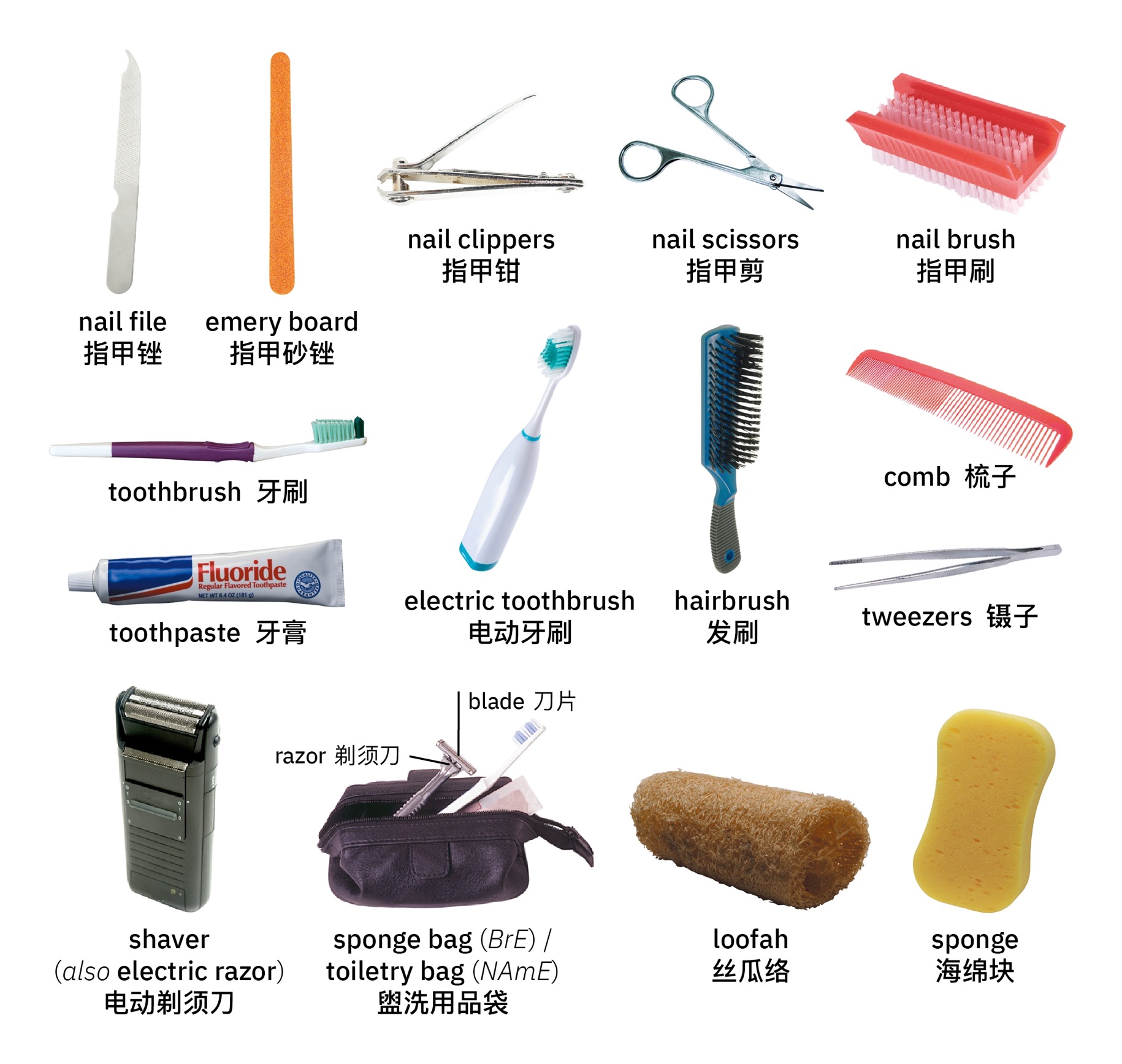
Longman Dictionary of Contemporary English 5++LDOCE 5++twee·zers /ˈtwiːzəz $ -ərz/ noun [plural]  DCBa small tool that has two narrow pieces of metal joined at one end, used to pull or move very small objects 镊子,小钳子 She was plucking her eyebrows with a pair of tweezers. 她正拿着一把小镊子在拔眉毛。
DCBa small tool that has two narrow pieces of metal joined at one end, used to pull or move very small objects 镊子,小钳子 She was plucking her eyebrows with a pair of tweezers. 她正拿着一把小镊子在拔眉毛。Examples from the Corpus
tweezers• About the only way to eliminate Argulus is to remove the sea horses and pick off the parasites with a tweezers.• Literally on hands and knees, his men crawled over every inch of the designated area, with plastic bags and tweezers.• They can also be attached to, or incorporated with other chemicals or molecules to create useful manipulating structures such as tweezers.• a pair of tweezers• Place the exposed board into the tray of developer using plastic tweezers or tongs and agitate the board gently.• You may need to use tweezers to pick up the pieces and position them on your egg.• Remove enough petals very gently and carefully then, using tweezers, remove all the male filaments with their pollen-bearing tips.• The stitching is done holding the needles with tweezers with the surgeons wearing special operating glasses.• An hour passed while he ordered pages and laid damp stamps on blotting paper with tweezers.pair of tweezers• A pair of tweezers is also useful for pulling out splinters.Origin tweezers (1600-1700) tweeze “case of small instruments” ((1600-1700)), from etweese “tweeze” ((17-18 centuries)), from the plural of etwee “tweeze” ((17-19 centuries)), from French étuitwee·zers nounChineseSyllable
narrow tool Corpus pieces a two small has that
tweezers
twee‧zers /ˈtwiːzəz $ -ərz/
 noun [plural]
a small tool that has two narrow pieces of metal joined at one end, used to pull or move very small objects:

She was plucking her eyebrows with a pair of tweezers.
twee‧zers /ˈtwiːzəz $ -ərz/
noun [plural] Date: 1600-1700
Origin: tweeze 'case of small instruments' (1600-1700), from etweese 'tweeze' (17-18 centuries), from the plural of etwee 'tweeze' (17-19 centuries), from French étui
Origin: tweeze 'case of small instruments' (1600-1700), from etweese 'tweeze' (17-18 centuries), from the plural of etwee 'tweeze' (17-19 centuries), from French étui
a small tool that has two narrow pieces of metal joined at one end, used to pull or move very small objects: