vegetable
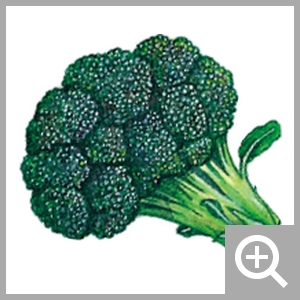
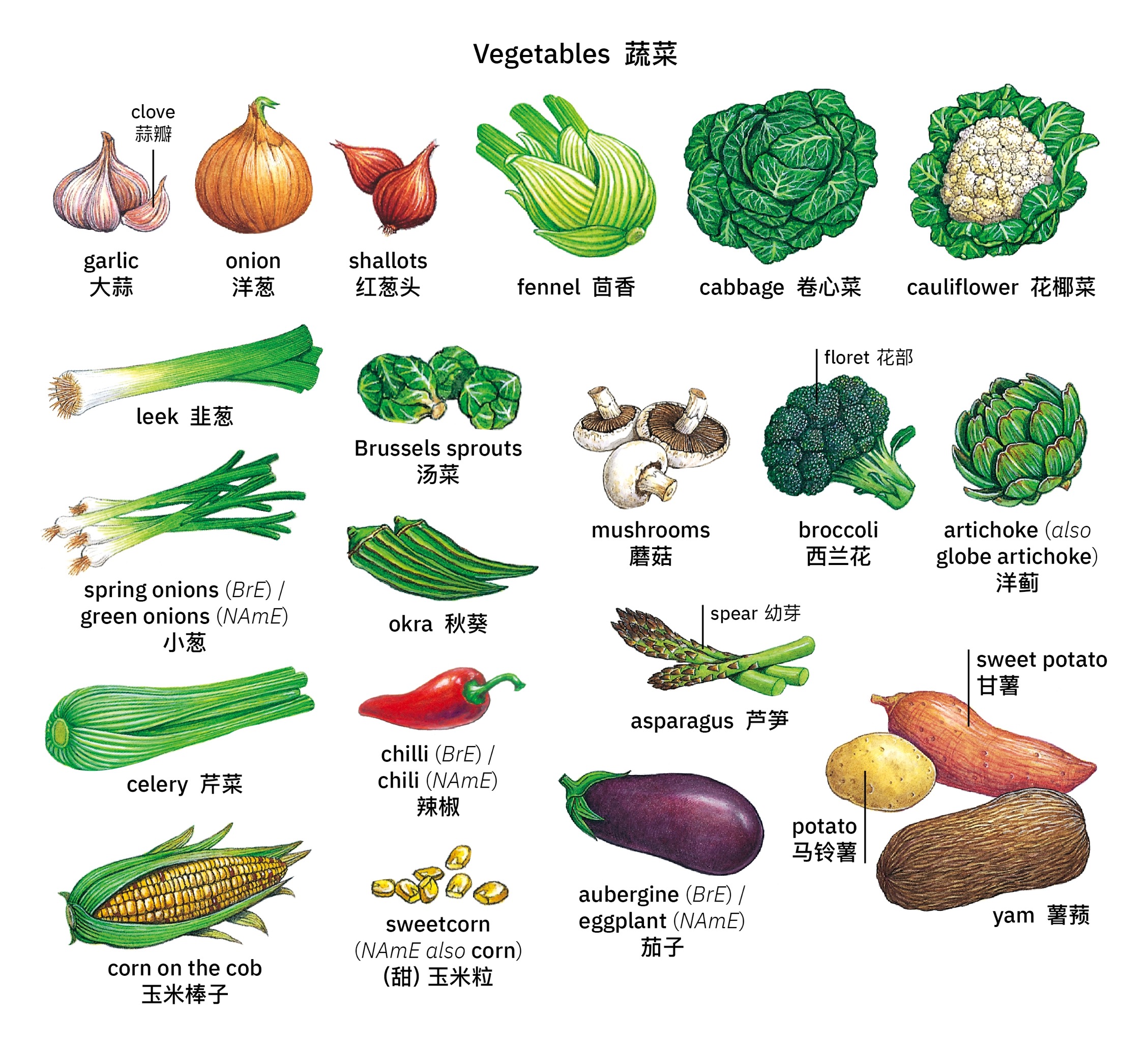
Longman Dictionary of Contemporary English 5++LDOCE 5++ldoce_807_pvege·ta·ble1 /ˈvedʒtəbəl/ ●●● S3 W3 noun [countable] 1 DFHBPa plant that is eaten raw or cooked, such as a cabbage, a carrot, or peas 蔬菜 fresh fruit and vegetables 新鲜果蔬 organic methods of growing vegetables 蔬菜的有机种植方法 vegetable soup 蔬菜汤 a neat vegetable garden 整洁的菜园 Vitamin A is found in liver and green vegetables. 动物肝脏和绿色蔬菜中含有维生素A。salad vegetables (=vegetables such as lettuce or tomatoes eaten raw) 做色拉的蔬菜5 GRAMMAR 语法• Vegetable is a countable noun, not an uncountable noun. vegetable是可数名词, 而非不可数名词They grew their own vegetables (NOT 不说 their own vegetable).他们自己种菜 。n GRAMMAR: Countable or uncountable?• Vegetable is used as a countable noun: Her son doesn’t like eating vegetables. ✗Don’t say: Her son doesn’t like eating vegetable.• Vegetable is used before nouns, for example vegetable soup, vegetable oil. ✗Don’t say: vegetables soup2. not polite an offensive word for someone who is alive but who cannot talk or move because their brain is damaged 植物人n COLLOCATIONSADJECTIVES/NOUN + vegetable freshFresh vegetables taste best immediately after they’ve been picked.rawSome vegetables are better eaten raw.organic (=grown without using chemicals)Most supermarkets sell organic fruit and vegetables.tinned/cannedDo canned vegetables have as many vitamins as fresh ones?frozenpackets of frozen vegetablesgreen vegetablesEat plenty of green vegetables.leafy vegetablesLeafy vegetables contain iron, which is good for the blood.root vegetables (=vegetables whose roots you eat, such as carrots)Excellent soups can be made from root vegetables.a salad vegetable (=a vegetable that is eaten raw in a salad)You can buy ready-prepared salad vegetables.baby vegetables (=vegetables that have not grown to their full size)Baby vegetables, especially carrots and corn, appeal to youngsters.vegetable + NOUNvegetable soupI think I’ll have the vegetable soup.vegetable stock (=a liquid in which vegetables have been cooked)Gently cook the mushrooms and onions in the vegetable stock.vegetable oilShe uses vegetable oil instead of lard.a vegetable garden/patch/plotAnna was digging in the vegetable garden.verbsgrow vegetablesIf we had a garden, we could grow our own vegetables.
Examples from the Corpus
green vegetables• Make sure to eat plenty of green vegetables.vegetable2 adjective [only before noun] formal relating to plants in general, rather than animals or things that are not living 植物的 → mineral decomposing vegetable matter 分解植物质Origin vegetable (1300-1400) Medieval Latin vegetabilis “growing”, from vegetare “to grow”, from Latin vegere “to cause to act, excite”vege·ta·ble1 noun →5 GRAMMAR1 →n GRAMMAR2
→n COLLOCATIONS1vegetable2 adjectiveLDOCE OnlineChineseSyllable
→n COLLOCATIONS1vegetable2 adjectiveLDOCE OnlineChineseSyllable
is or raw plant a Corpus that eaten
vegetable
vege‧ta‧ble1 S3 W3 /ˈvedʒtəbəl/ 
 noun [countable]

fresh fruit and vegetables
organic methods of growing vegetables
vegetable soup
a neat vegetable garden
Vitamin A is found in liver and green vegetables.
salad vegetables (=vegetables such as lettuce or tomatoes eaten raw)
GRAMMAR
Vegetable is a countable noun, not an uncountable noun:
▪They grew their own vegetables (NOT their own vegetable).
2. not polite an offensive word for someone who is alive but who cannot talk or move because their brain is damaged
■ ADJECTIVES/NOUN + vegetable
▪fresh Fresh vegetables taste best immediately after they've been picked.
▪raw Some vegetables are better eaten raw.
▪organic (=grown without using chemicals) Most supermarkets sell organic fruit and vegetables.
▪tinned/canned Do canned vegetables have as many vitamins as fresh ones?
▪frozen packets of frozen vegetables
▪green vegetables Eat plenty of green vegetables.
▪leafy vegetables Leafy vegetables contain iron, which is good for the blood.
▪root vegetables (=vegetables whose roots you eat, such as carrots) Excellent soups can be made from root vegetables.
▪a salad vegetable (=a vegetable that is eaten raw in a salad) You can buy ready-prepared salad vegetables.
▪baby vegetables (=vegetables that have not grown to their full size) Baby vegetables, especially carrots and corn, appeal to youngsters.
■ vegetable + NOUN
▪vegetable soup I think I'll have the vegetable soup.
▪vegetable stock (=a liquid in which vegetables have been cooked) Gently cook the mushrooms and onions in the vegetable stock.
▪vegetable oil She uses vegetable oil instead of lard.
▪a vegetable garden/patch/plot Anna was digging in the vegetable garden.
■ verbs
▪grow vegetables If we had a garden, we could grow our own vegetables.
vegetable2 adjective [only before noun]
formal relating to plants in general, rather than animals or things that are not living ⇨ mineral:
decomposing vegetable matter
| I |
noun [countable] Date: 1300-1400
Language: Medieval Latin
Origin: vegetabilis 'growing', from vegetare 'to grow', from Latin vegere 'to cause to act, excite'
1. a plant that is eaten raw or cooked, such as a cabbage, a carrot, or peas:Language: Medieval Latin
Origin: vegetabilis 'growing', from vegetare 'to grow', from Latin vegere 'to cause to act, excite'
salad vegetables (=vegetables such as lettuce or tomatoes eaten raw)
GRAMMAR
Vegetable is a countable noun, not an uncountable noun:
▪
2. not polite an offensive word for someone who is alive but who cannot talk or move because their brain is damaged
| COLLOCATIONS |
▪
▪
▪
▪
▪
▪
▪
▪
▪
▪
■ vegetable + NOUN
▪
▪
▪
▪
■ verbs
▪
| II |
adjective [only before noun]formal relating to plants in general, rather than animals or things that are not living ⇨ mineral:
especially in
also