vinegar
Longman Dictionary of Contemporary English 5++LDOCE 5++vin·e·gar /ˈvɪnɪɡə $ -ər/ ●●○ noun [uncountable]  DFCa sour-tasting liquid made from malt or wine that is used to improve the taste of food or to preserve it 醋
DFCa sour-tasting liquid made from malt or wine that is used to improve the taste of food or to preserve it 醋Examples from the Corpus
vinegar• Then add the cranberries, salt, pepper and vinegar.• Then there is the heirloom tomato salad with baby spinach, a little white balsamic vinegar and feta cheese.• He decided on a brutal vinegar poultice.• Stir in vinegar and parsley just before serving.• Treacle sponge, £1.50, had custard but no vinegar.• The most effective deterrent, however, is that simple household substance, vinegar.• Forget the vinegar bottle, today there are pinches of salt. - Leicester University Press, £35.• To make vinaigrette, in a small bowl, whisk together vinegar, mustard, and basil.Origin vinegar (1200-1300) Old French vinaigre, from vin “wine” + aigre “sour”vin·e·gar nounChineseSyllable
is sour-tasting malt from a that Corpus wine liquid or made
vinegar
vin‧e‧gar /ˈvɪnɪɡə $ -ər/
 noun [uncountable]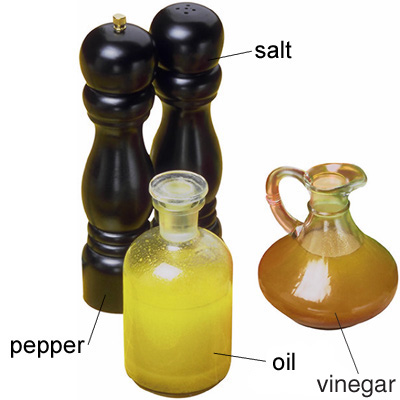
a sour-tasting liquid made from malt or wine that is used to improve the taste of food or to preserve it
vin‧e‧gar /ˈvɪnɪɡə $ -ər/
noun [uncountable] Date: 1200-1300
Language: Old French
Origin: vinaigre, from vin 'wine' + aigre 'sour'
Language: Old French
Origin: vinaigre, from vin 'wine' + aigre 'sour'
a sour-tasting liquid made from malt or wine that is used to improve the taste of food or to preserve it