wedge
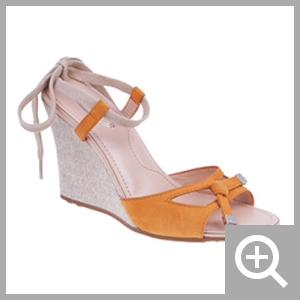
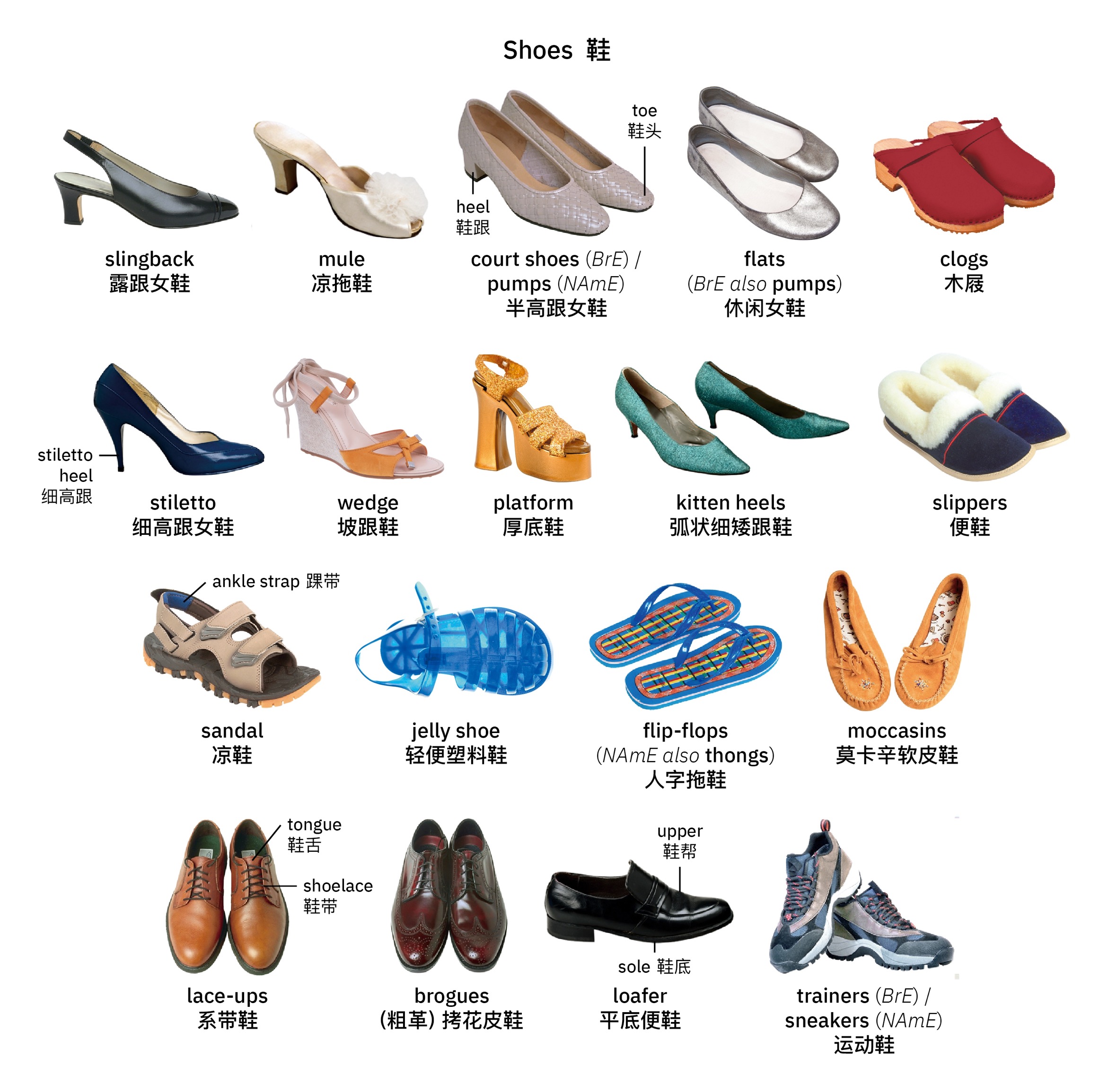
Longman Dictionary of Contemporary English 5++LDOCE 5++wedge1 /wedʒ/ ●○○ noun [countable] 1. TITZa piece of wood, metal etc that has one thick edge and one pointed edge and is used especially for keeping a door open or for splitting wood 〔木头、金属等材质的〕楔子〔尤用于抵住门或劈开木头〕2 DFa piece of food shaped like a wedge 楔形(食物) Garnish with lemon wedges. 用几角柠檬片作装饰。wedge of a wedge of cheese 一角奶酪n3. wedges [plural] wedge heels54 drive a wedge between sb to make the relationship between two people or groups worse 造成〔两个人或团体〕之间的不和[疏远] Their divorce has driven a wedge between the two families.他们的离婚造成双方家庭闹翻。 → the thin end of the wedge at thin1(11) → drive a wedge between somebody at drive1(13), the thin end of the wedge at thin1(11)
Examples from the Corpus
wedge• The men of violence want to drive a wedge between the forces of law and order and the people they protect.• Instead of driving a wedge between lovers, a child can expand and deepen that love.• While sauce is cooking, in another large saute pan, saute apple wedges in butter until lightly browned.• He pulled out his wedge, sailed the ball over the knoll and it rolled into the cup.• lemon wedges• Her hair was stiff and phosphorous, a dome-like wedge.• Ultimately such thinking becomes a psychological, relational and spiritual wedge between men and women.• Carefully cut a thin wedge out of the cake.wedge2 verb [transitive always + adverb/preposition] 1 PUSHto force something firmly into a narrow space 把…挤入[插入] The phone was wedged under his chin. 电话夹在他下巴下面。 Victoria wedged herself into the passenger seat. 维多利亚挤到了乘客座位上。2. wedge something open/shut PUTto put something under a door, window etc to make it stay open or shut 用楔子把〔门窗等〕抵住使开着/关上→ See Verb tableExamples from the Corpus
wedge• Not since Clarenceaux wedged a beer-mat between the bell and the clapper.• Groves wedged a muslin snake bag behind his belt.• Rusted dairy cases had been wedged in along its sides and four corners to keep it balanced.• We sometimes carried in our pockets assorted stones to wedge in cracks.• The bearer pulled him into a passage so thin that even the narrowest of stalls could not wedge itself in.• Magma can wedge open and penetrate cracks cutting across the layering of the surrounding rock, forming tabular intrusions called dikes.Origin wedge1 Old English wecgwedge1 nounwedge2 verbLDOCE OnlineChinese
etc that edge piece one a of metal Corpus has wood, thick
wedge
wedge1 /wedʒ/ 
 noun [countable]
2. a piece of food shaped like a wedge:

Garnish with lemon wedges.
wedge of
a wedge of cheese
3. drive a wedge between somebody to make the relationship between two people or groups worse:
Their divorce has driven a wedge between the two families.
⇨ the thin end of the wedge at thin1(11)
▪ piece an amount of something that has been cut or separated from the main part: Could I have another piece of cake? | a piece of broken glass | Emma cut the pie into eight pieces.
▪bit a piece. Bit is more informal than piece and is often used about smaller pieces: The notes were written on bits of paper. | He threw a bit of wood onto the fire.
▪lump a small piece of something solid or firm that does not have a regular shape: two lumps of sugar | a lump of coal | a lump of clay
▪scrap a small piece of paper, cloth etc that is no longer needed: I wrote the phone number on a scrap of paper. | The dog was eating scraps of food off the floor.
▪strip a long narrow piece of cloth, paper etc: a strip of cloth | The leather had been cut into strips.
▪sheet a thin flat piece of something such as paper, glass, or metal: a blank sheet of paper | a sheet of aluminium
▪slice a thin flat piece of bread, cake, meat etc cut from a larger piece: a slice of pizza | Cut the tomatoes into thin slices.
▪chunk a piece of something solid that does not have a regular shape – used especially about food, rock, or metal: The fruit was cut into large chunks. | a chunk of bread
▪hunk a large piece with rough edges, which has been cut or has broken off a bigger piece of food, rock etc: a big hunk of cheese | hunks of concrete
▪block a piece of something solid, which has straight sides: concrete blocks | a block of cheese | a block of ice
▪slab a thick flat piece of stone, or of cake, meat etc: The floor had been made from stone slabs. | a slab of beef
▪cube a piece that has six square sides – used especially about food: a cube of sugar | ice cubes
▪wedge a piece that has a thick end and a pointed end, and is shaped like a triangle – used especially about food and metal: a wedge of cheese
▪bar a block of soap, chocolate, candy, or metal, which has straight sides: a chocolate bar | a bar of soap | gold bars worth more than £26 million
▪rasher British English a slice of bacon: I usually have two rashers of bacon for breakfast.
wedge2 verb [transitive always + adverb/preposition]
1. to force something firmly into a narrow space:
The phone was wedged under his chin.
Victoria wedged herself into the passenger seat.
2. wedge something open/shut to put something under a door, window etc to make it stay open or shut
| I |
noun [countable] Language: Old English
Origin: wecg
1. a piece of wood, metal etc that has one thick edge and one pointed edge and is used especially for keeping a door open or for splitting woodOrigin: wecg
2. a piece of food shaped like a wedge:
wedge of
3. drive a wedge between somebody to make the relationship between two people or groups worse:
⇨ the thin end of the wedge at thin1(11)
| THESAURUS |
▪
▪
▪
▪
▪
▪
▪
▪
▪
▪
▪
▪
▪
▪
| II |
verb [transitive always + adverb/preposition]1. to force something firmly into a narrow space:
2. wedge something open/shut to put something under a door, window etc to make it stay open or shut

especially